Midtown East
Midtown East is where buyers go in Manhattan when they want quiet residential living inside the center of the city. Unlike SoHo, which is defined by lofts, or the Upper East Side, which is defined by avenue grandeur, Midtown East is defined by contrast: a powerful commercial core of office towers, corporate headquarters, hotels, and transit, wrapped around some of Manhattan’s most discreet residential enclaves. From Sutton Place and Beekman by the river to the Park and Fifth Avenue corridors closer to Central Park, the neighborhood can feel surprisingly private, even though it sits in the middle of everything.
For buyers, the appeal of Midtown East is that it offers access without always feeling exposed. You can find grand prewar co-ops, white-glove postwar buildings, river-view apartments, and select new development, often with more privacy and less scene than neighborhoods farther downtown. The key is that Midtown East is not one uniform market. Sutton Place, Beekman, Turtle Bay, the United Nations area, and the Park and Fifth Avenue corridors each trade on different value drivers, buyer expectations, and building cultures. If you are looking here, the specific pocket, building, board, view, and apartment quality matter far more than any neighborhood average. This guide explains how the market works, from a team active in it.
Where Midtown East is
Midtown East runs roughly from the low 40s up to 59th Street, between Lexington or Park Avenue and the East River, with the Fifth and Park Avenue corridors forming its western edge. Within it sit several residential enclaves: Sutton Place and Beekman Place in the upper 50s by the river, Turtle Bay around the UN in the upper 40s and 50s, and the quieter side streets off Park and Madison. Grand Central, the United Nations, and a dense business district sit at the core. Murray Hill lies just to the south.
The streetscape moves from commercial avenues and office towers at the center to calm, low-key residential streets as you approach the river.
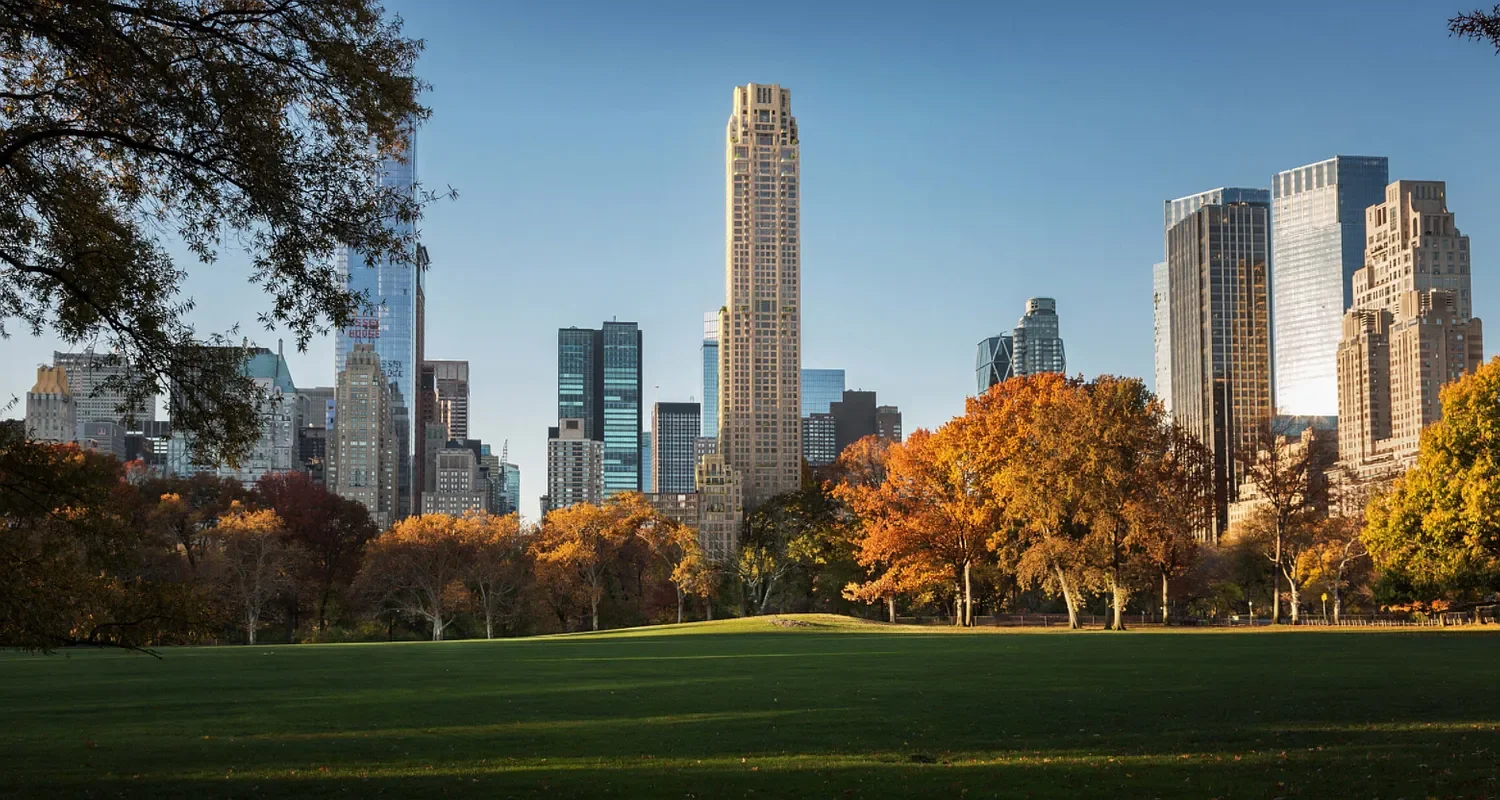
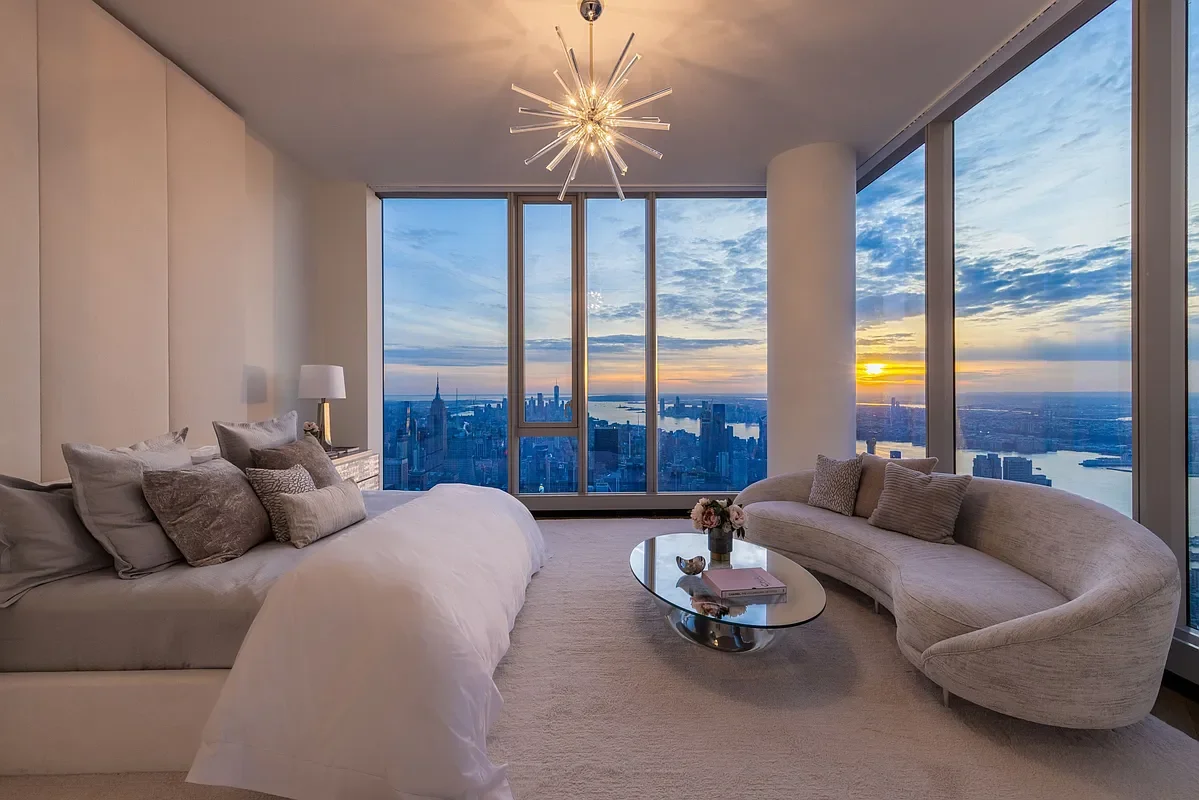
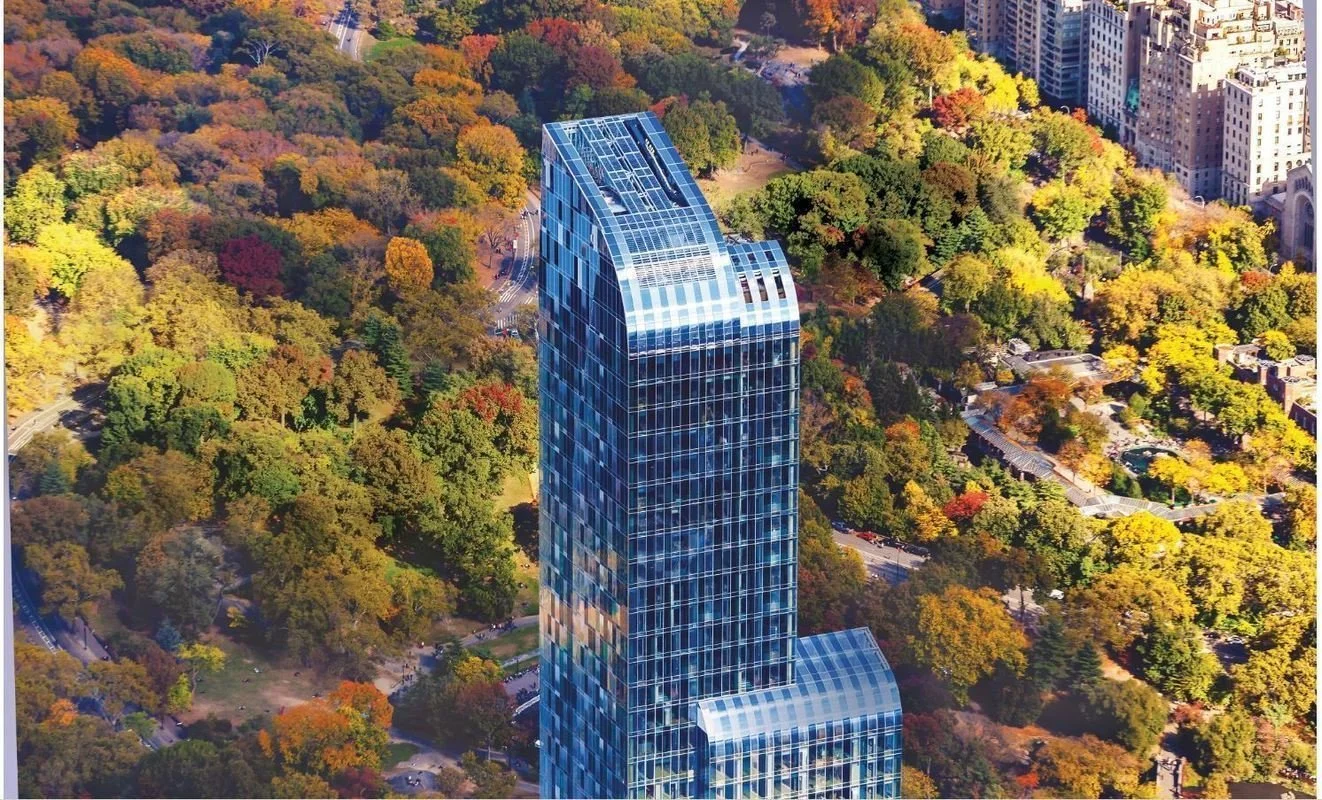
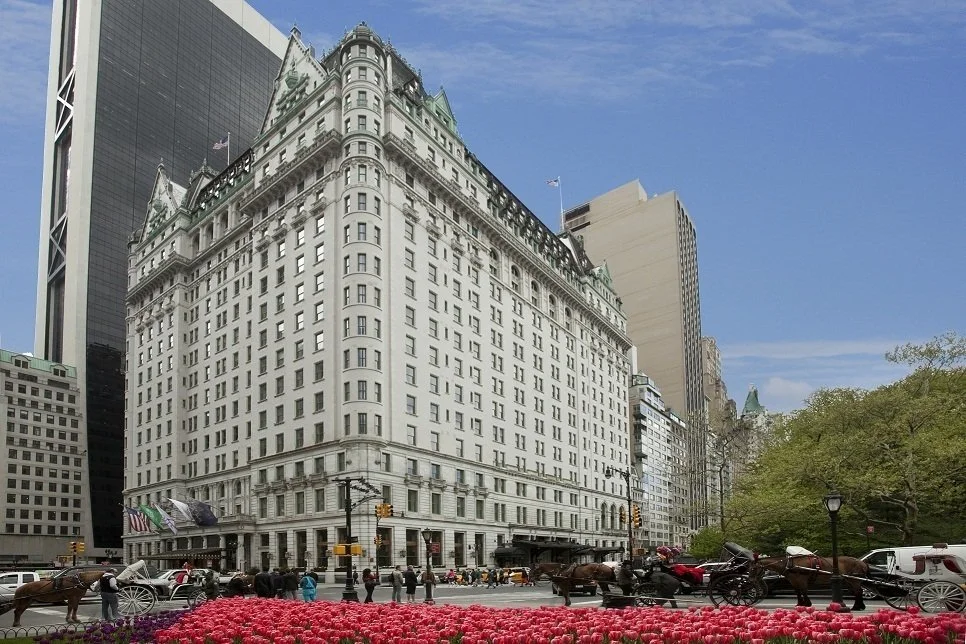
Top Midtown East Buildings to Buy in


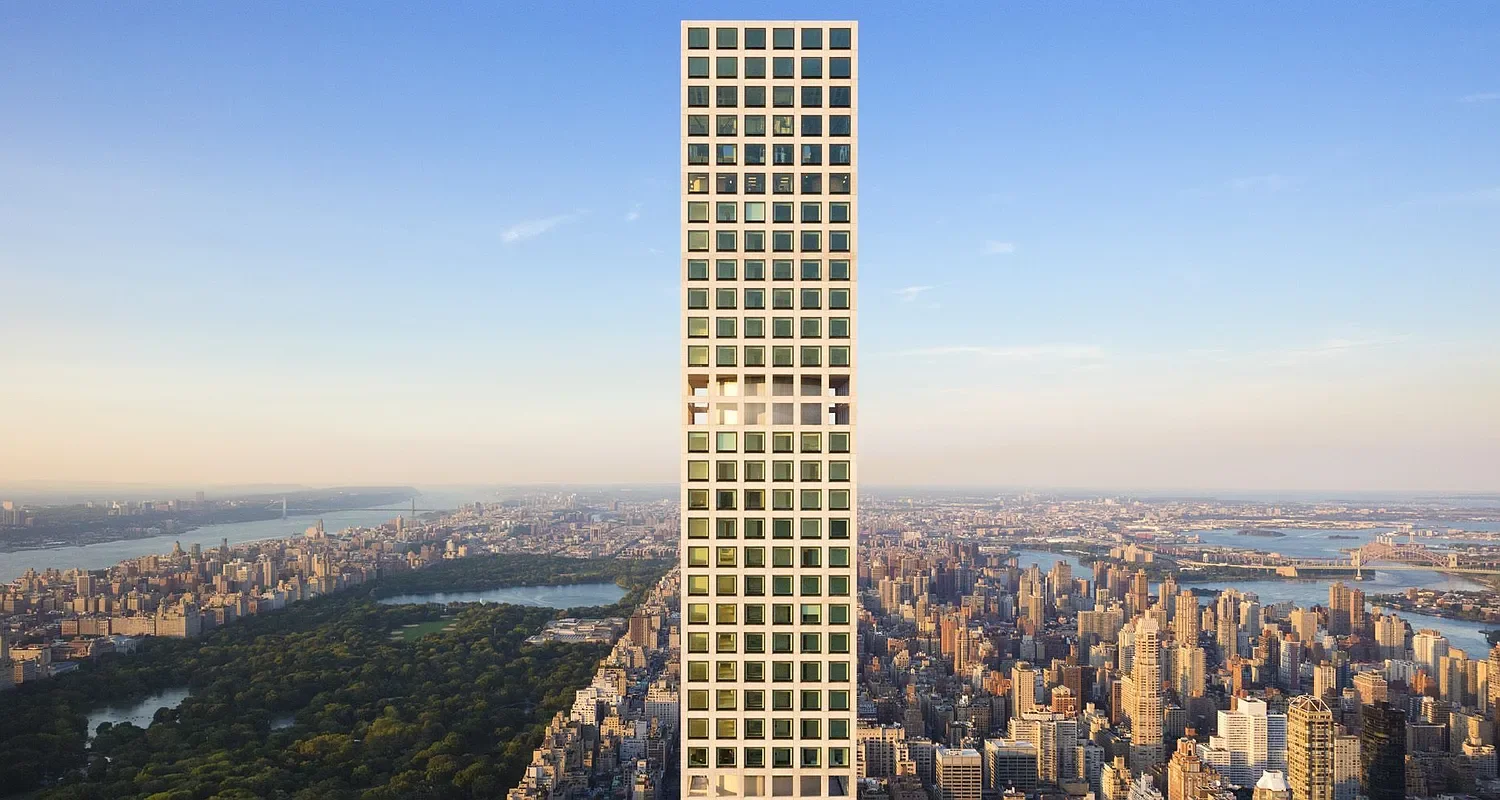

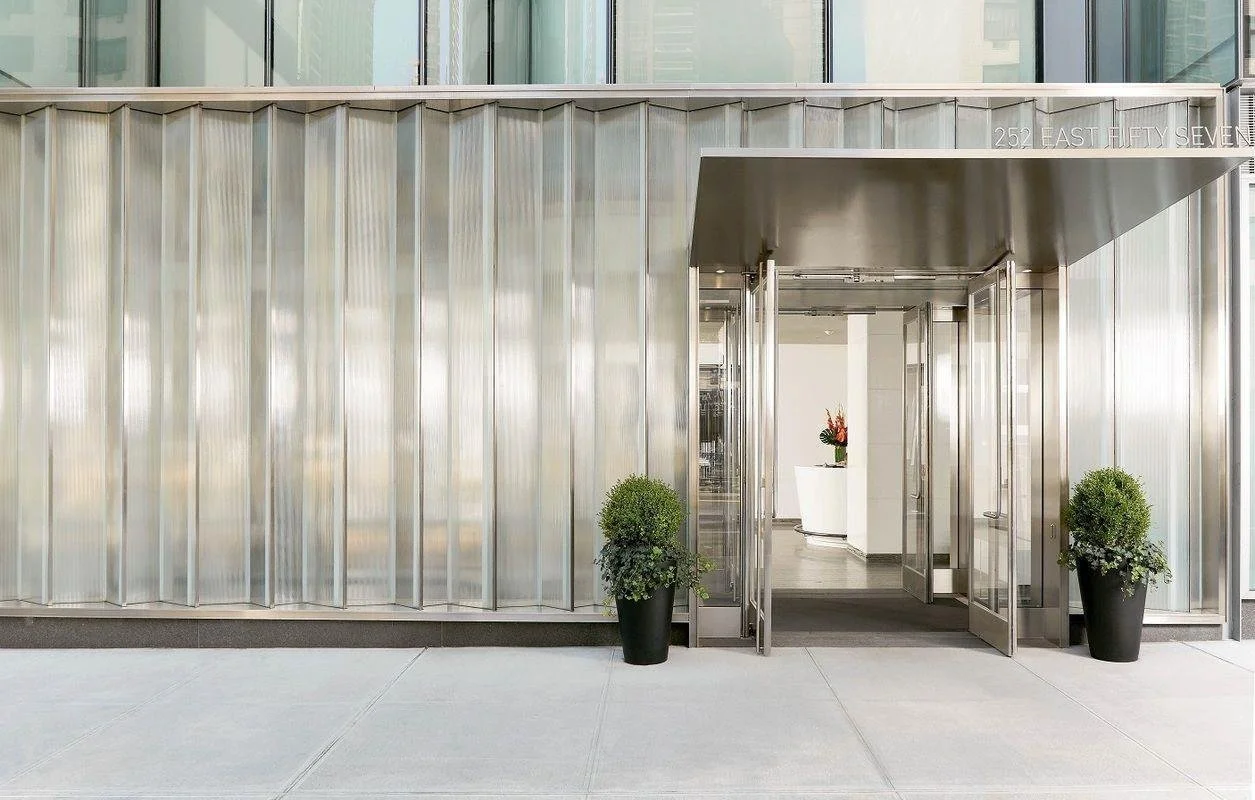
The character: a business core with hidden residential pockets
Two things define Midtown East. First, the duality. The center is one of the densest business districts in the world, anchored by Grand Central, Park Avenue's corporate spine, and the office economy around them. Second, the enclaves. Tucked inside and beside that core are some of the most private residential pockets in Manhattan, Sutton Place, Beekman, and Turtle Bay, prewar river enclaves that feel removed from the commotion just blocks away.
The result is a neighborhood of two speeds: busy and transactional at the center, quiet and established in its residential corners, the kind of place buyers choose when they want a discreet home in the middle of everything.
The housing stock: prewar co-ops and new condos
The defining feature of Midtown East real estate is the split between its prewar enclaves and its newer towers.
- Prewar co-operatives. The river enclaves of Sutton Place, Beekman, and Turtle Bay hold grand prewar co-op buildings, many with East River views, the high ceilings, and detail that define the category, in some of the quietest blocks in central Manhattan.
- New condominiums. The Park, Madison, and Fifth Avenue corridors, supported by the area's rezoning, have added new full-service condominium towers, with the amenities and fewer ownership restrictions that appeal to buyers who want flexibility.
- Townhouses. Present in the Sutton and Beekman pockets and on scattered side streets, though rare and tightly held.
If you want a quiet prewar home by the river or a new full-service tower near Park Avenue, Midtown East offers both within a few blocks.
Why buyers choose Midtown East
- Central location. Few places are as connected, with Grand Central, major transit, and the heart of the business district at the doorstep.
- The river enclaves. Sutton Place, Beekman, and Turtle Bay offer a privacy and calm that is rare this close to Midtown.
- Two kinds of home. For buyers weighing a quiet prewar co-op against a new full-service condominium, few areas let you compare both so directly.
- Value relative to prime. Midtown East can offer more space for the money than some of the prime uptown and downtown markets, particularly in its prewar co-ops.
A market of enclaves and products
This is the single most important thing to understand about Midtown East: value is driven by which enclave and which product you are buying, and often by the specific building.
A prewar co-op in Sutton Place and a new condominium near Park Avenue serve different buyers and price on their own terms. The co-op sells space, river views, and prewar character, with a board approval process and building-specific rules. The new condominium sells finishes, amenities, and full-service living, with fewer ownership restrictions and a more turnkey experience. Within either one, the line, the floor, the light, and the exposure to the river or the avenue can swing value dramatically. Neighborhood-wide averages tell you very little here. The enclave, the building, and the apartment tell you almost everything, and knowing those differences in detail is most of the job.
Off-market in Midtown East
As across prime Manhattan, many of Midtown East's best homes, especially the river-facing prewar apartments in Sutton Place and Beekman, change hands quietly, without a public listing. Access depends on relationships inside the buildings and across the brokerage community. See how off-market deals work in NYC.
Condo, co-op, or townhouse
Because Midtown East splits between prewar co-ops and newer condominiums, the ownership structure matters here:
- Co-op buyers. Much of the prewar enclave inventory is co-operative, which means board approval and building-specific rules. Buyers who need flexibility should weigh those rules carefully. See condo vs. co-op for a pied-a-terre.
- Pied-a-terre and non-resident buyers. Co-ops frequently restrict pied-a-terre use and entity ownership, so the right building matters. The area's newer condominiums along the Park and Madison corridors are often a better fit. See our guide for foreign and non-resident buyers.
- Buyers who want full-service living. The newer condominium towers offer the staff and amenities that smaller prewar buildings may not.
How to buy in Midtown East
- Enclave and building knowledge. Because value and approvability vary by pocket and building, the right advisor is one who knows Sutton from Beekman from Turtle Bay, the individual buildings, and their rules.
- Access. With the best river-facing apartments trading quietly, relationships determine what you see.
- Readiness. Have financing or proof of funds, an attorney, and your ownership structure in place so you can move when the right home appears.
FAQ
Where are the boundaries of Midtown East?
Midtown East runs roughly from the low 40s to 59th Street, between Park or Lexington Avenue and the East River, with the Fifth and Park corridors on its western edge. It includes the Sutton Place, Beekman, and Turtle Bay enclaves and the area around Grand Central and the United Nations. As with most Manhattan neighborhoods, the edges are loosely held.
Is Midtown East mostly co-ops or condos?
It is a split market. The prewar river enclaves of Sutton Place, Beekman, and Turtle Bay are largely co-operative, while the newer towers along the Park, Madison, and Fifth corridors are condominiums. The right product depends on the pocket and the building.
What kind of buildings is Midtown East known for?
Two kinds. Grand prewar co-op buildings in the quiet river enclaves of Sutton Place, Beekman, and Turtle Bay, many with East River views, and newer full-service condominium towers along the Park, Madison, and Fifth Avenue corridors. Because the market is building-specific, character and price vary widely from one address to the next.
Can you buy a pied-a-terre in Midtown East?
Often, yes, particularly in the area's condominiums, which generally carry fewer primary-residence and entity-ownership restrictions than the prewar co-ops in the river enclaves. Because the rules vary building to building, it is worth checking a specific building's policies first. See our guides to condo vs. co-op and to buying as a foreign or non-resident buyer.
What is the difference between Midtown East and Midtown West?
They sit on either side of the Midtown core and both mix commercial and residential, but they read differently. Midtown East is defined by its quiet prewar river enclaves, Sutton, Beekman, and Turtle Bay, and the Park Avenue corridor. Midtown West is generally newer and more transitional, spanning the Theater District, Hell's Kitchen, and the trophy condominium corridor along 57th Street.
Elevated Advisement represents buyers across Midtown East's co-op and condominium market, from the prewar river enclaves to the new towers, including their off-market inventory. To start your search, get in touch.