Flatiron / NoMad
Flatiron and NoMad are where buyers go in Manhattan when they want to be in the center of it all. Framed by Madison Square Park and sitting between Downtown and Midtown, the area has a rare kind of convenience: close to restaurants, hotels, offices, private clubs, transportation, and some of the city’s best architecture, without feeling tied to only one version of New York.
The housing market here is equally split between two identities. On one side are the grand prewar loft, office, and showroom buildings that have been converted into large, character-filled residences with big windows, high ceilings, and a sense of scale that is hard to recreate. On the other are new luxury towers with modern layouts, full-service living, dramatic views, and serious amenities. If you are looking here, the most useful thing to understand is that Flatiron and NoMad trade as a market of two halves: the prewar conversion and the new tower. The right home depends on which version of the neighborhood fits you best. This guide explains how the market works, from a team active in it.
Where Flatiron and NoMad are
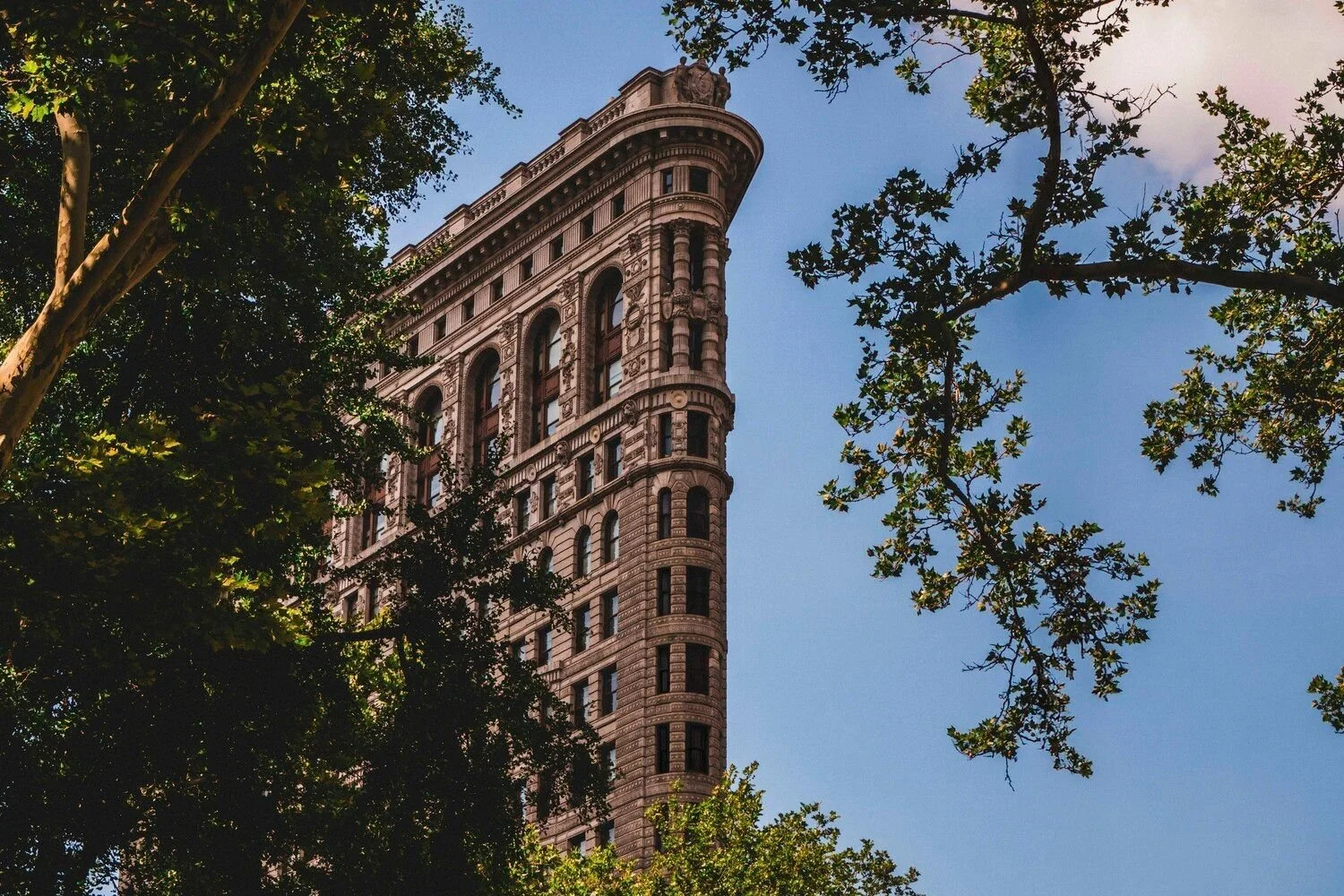
Flatiron takes its name from the landmark Flatiron Building at the meeting of Fifth Avenue, Broadway, and 23rd Street. The neighborhood runs roughly from the high teens up to 23rd Street, around Fifth Avenue and Broadway, with Madison Square Park as its green anchor. NoMad, short for "North of Madison Square Park," picks up where Flatiron ends and runs north through roughly the high 20s to about 30th Street. The two share the park, the avenues, and the same architectural DNA, which is why they are so often marketed together.
The streetscape is defined by wide, masonry commercial buildings, many of them former showrooms, manufacturing lofts, and headquarters from the late 19th and early 20th centuries, now turned to residential and hospitality use.
NoMad vs Flatiron: how they actually differ
Flatiron and NoMad are marketed together so often that the distinction gets lost, but they are not the same buy. The simplest way to hold them apart is geography: Madison Square Park sits between them. Flatiron runs from roughly the high teens up to 23rd Street around Fifth Avenue and Broadway, anchored by the Flatiron Building. NoMad, short for North of Madison Square Park, picks up where Flatiron ends and runs north through the high 20s to about 30th Street.
Flatiron skews toward the prewar side of the market. It holds the landmark architecture, the converted showroom and them apart is geography: Madison Square Park sits between them. Flatiron runs from roughly the high teens up to 23rd Street around Fifth Avenue and Broadway, anchored by the Flatiron Building. NoMad, short for North of Madison Square Park, picks up where Flatiron ends and runs north through the high 20s to about 30th Street.
Flatiron skews toward the prewar side of the market. It holds the landmark architecture, the converted showroom and manufacturing lofts, and the established residential streets around the park. NoMad skews newer and more commercial in character, with a heavier concentration of hotels, private clubs, and recent tower development.
Both share the same underlying split: grand prewar conversions with big windows, high ceilings, and scale that cannot be recreated, versus new luxury towers with modern layouts, full service, and serious amenities. Flatiron simply has more of the former and NoMad more of the latter.
Which one fits depends on the version of the building you want, not the postal boundary. If you want character, scale, and a landmarked block, look at Flatiron first. If you want new construction, views, and a full amenity package, NoMad will show you more. We work across both.
Top Flatiron / Nomad Buildings To Buy In

The character: central, walkable, and increasingly residential
Three things define Flatiron and NoMad. First, the location. Few places in Manhattan are as central or as connected, with Madison Square Park at the core and quick reach to almost everything below 34th Street. Second, the food and hospitality. The area holds one of the densest concentrations of celebrated restaurants and hotels in the city, which gives it a constant, grown-up energy. Third, and most relevant to buyers, the architecture: a stock of large prewar buildings that has been steadily converted to residential use, alongside new towers that have made the neighborhoods a genuine luxury market rather than just a commercial one.
The result reads as urbane and design-forward, a place that feels like the middle of the city rather than a quiet enclave.
The housing stock: lofts and new towers
The defining feature of Flatiron and NoMad real estate is the pairing of two very different products.
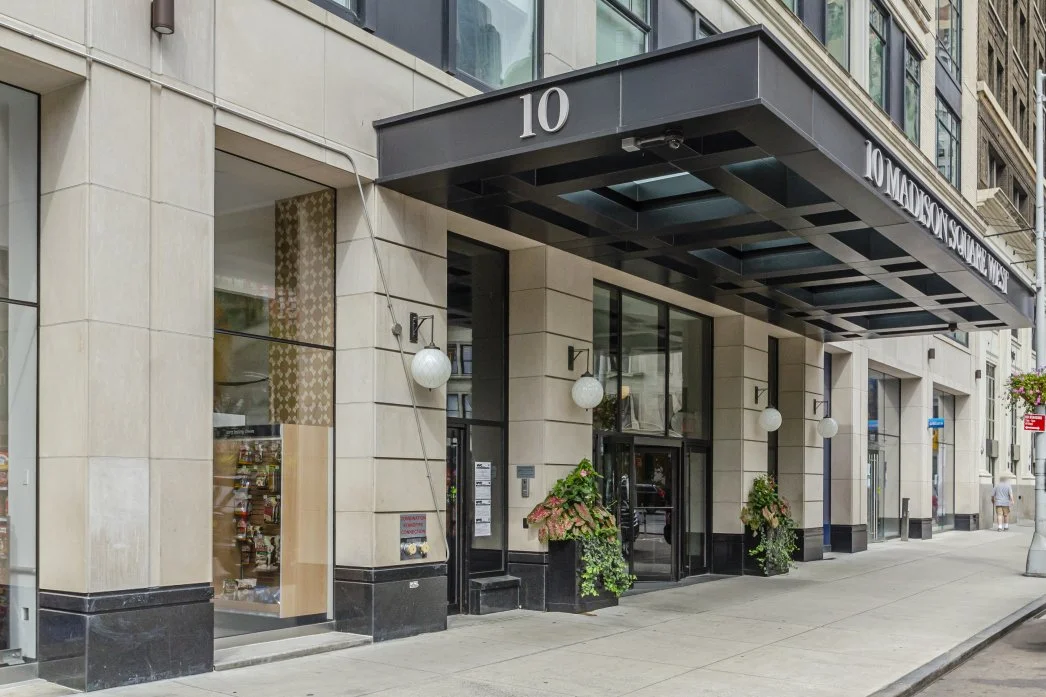
- Prewar loft and showroom conversions. The area's commercial past left behind buildings with high ceilings, oversized windows, and deep floor plates. Converted to residences, they offer the kind of scale and light that is hard to find in newer construction. 10 Madison Square West, a prewar conversion overlooking the park, is a recognizable example. The most notable of all is the landmark Flatiron Building itself, Daniel Burnham's triangular Beaux-Arts tower at 175 Fifth Avenue, now being converted into private residences for the first time in its century-plus history.
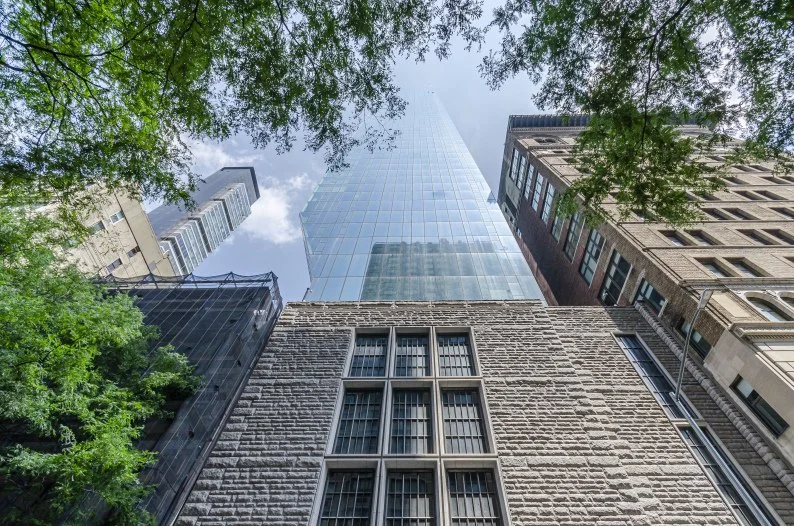
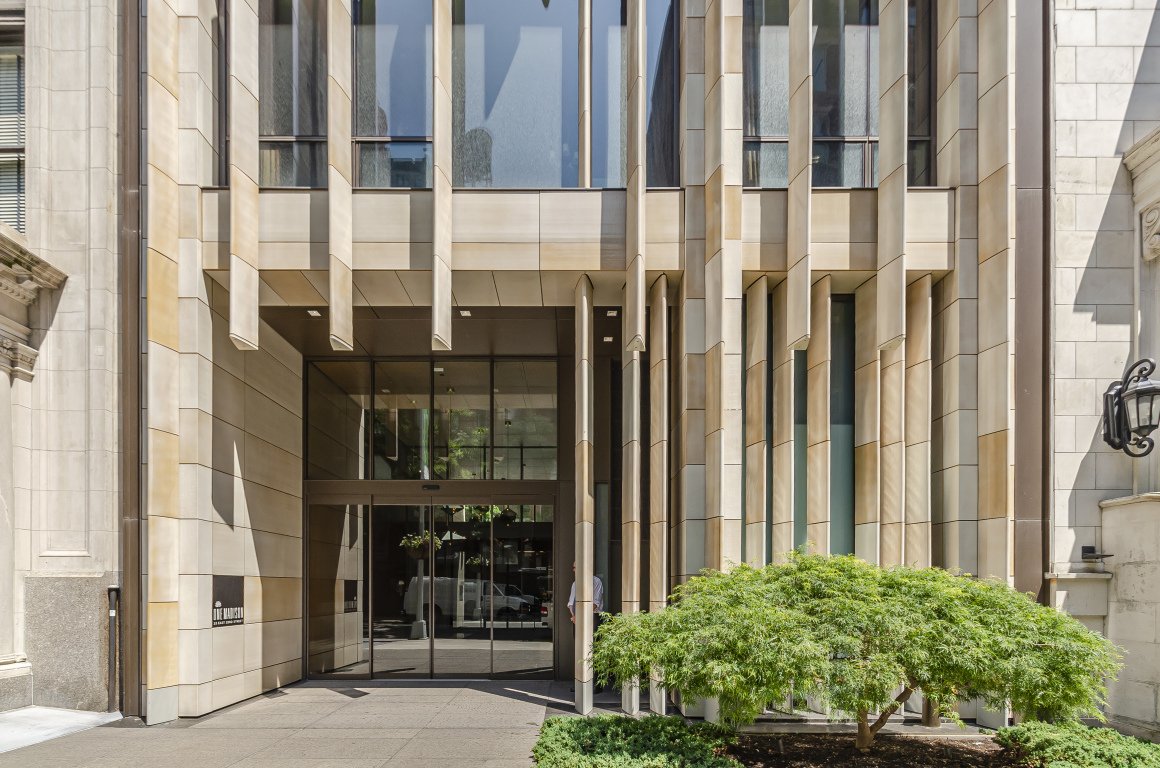
- New luxury condominiums. Around Madison Square Park, developers have built a series of full-service condominium towers, with the amenities and services buyers expect at the top of the market. One Madison, 277 Fifth Avenue, and 45 East 22nd Street are among the recognizable examples on the park and the avenue.
- Co-ops. Present, but the area skews toward condominiums, both in its conversions and its new towers, which matters for buyers who want flexibility.
If you want a large prewar loft with character, or a brand-new full-service tower with park views, this is one of the few markets that offers both within a few blocks.
Why buyers choose Flatiron and NoMad
- Centrality. The location is the single biggest draw. It is hard to be more in the middle of Manhattan.
- The park and the avenues. Madison Square Park and the Fifth Avenue and Broadway frontage give the area light, openness, and a sense of address.
- Dining and culture. The restaurant and hotel scene is a core part of daily life here, not an occasional outing.
- Two kinds of home. For buyers weighing a prewar loft against a new condominium, few neighborhoods let you compare both so directly.
A market of two halves: lofts and towers
This is the single most important thing to understand about Flatiron and NoMad: value is driven by which product you are buying, and often by the specific building.
A prewar loft conversion and a new condominium tower a block apart serve different buyers and price on their own terms. The loft sells space, ceiling height, light, and character, with a building that may have a lighter service model. The new tower sells finishes, amenities, views, and full-service living, with a more predictable, turnkey experience. Within either one, the line, the floor, the exposure to Madison Square Park, and the level of renovation can swing value dramatically.
Neighborhood-wide averages tell you very little in a market like this. The building, the product type, and the apartment tell you almost everything, and knowing those differences in detail is most of the job.
Off-market in Flatiron and NoMad
As across the rest of luxury Manhattan, many of the area's best apartments, especially the large prewar lofts and the high-floor, park-facing homes in its newer towers, change hands quietly, without a public listing. Access depends on relationships inside the buildings and across the brokerage community. See how off-market deals work in NYC.
Condo, co-op, or loft
Because Flatiron and NoMad skew toward condominiums, the area tends to be friendlier than co-op-dominated neighborhoods for buyers who need flexibility:
- Pied-a-terre and non-resident buyers. Condos rarely impose the primary-residence and entity-ownership restrictions that co-ops do, so the area suits second-home and international buyers well. See condo vs. co-op for a pied-a-terre and our guide for foreign and non-resident buyers.
- Buyers who want full-service living. The newer condominium towers offer the staff and amenities that smaller loft conversions may not.
How to buy in Flatiron and NoMad
- Product knowledge. Because value is split between prewar lofts and new towers, the right advisor is one who knows both, and can tell you which fits your life and your money.
- Access. With the best lofts and high-floor homes trading off-market, relationships determine what you actually see.
- Readiness. Have financing or proof of funds, an attorney, and your ownership structure in place so you can move when the right home appears.
FAQ
Where are the boundaries of Flatiron and NoMad?
Flatiron sits roughly from the high teens to 23rd Street around Fifth Avenue and Broadway, centered on Madison Square Park and named for the Flatiron Building at Fifth, Broadway, and 23rd. NoMad, meaning "North of Madison Square Park," runs from there north through roughly the high 20s to about 30th Street. The boundaries are loosely held.
What is the difference between Flatiron and NoMad?
They are adjacent and share the same park, avenues, and building stock, which is why they are often marketed together. Flatiron is the older, more established retail and residential name to the south of the park; NoMad is the newer name for the blocks to the north, which have seen a wave of hotels, restaurants, and new condominium development.
Is Flatiron and NoMad mostly condos or co-ops?
The area skews toward condominiums, in both its prewar conversions and its newer towers, with co-ops in the minority. That condo-heavy mix is one reason it appeals to buyers who want flexibility, including non-resident and pied-a-terre buyers.
What kind of buildings is the area known for?
Two kinds. Large prewar loft and showroom conversions with high ceilings and oversized windows, such as 10 Madison Square West and the landmark Flatiron Building, now being converted to private residences, and new full-service luxury condominium towers around Madison Square Park, such as One Madison, 277 Fifth Avenue, and 45 East 22nd Street. Because the market is split between these products, prices and character vary widely from one building to the next.
Can you buy a pied-a-terre in Flatiron or NoMad?
Yes, and often more easily than in co-op-dominated neighborhoods. Because the area is condo-heavy, buyers face fewer primary-residence and entity-ownership restrictions. See our guides to condo vs. co-op and to buying as a foreign or non-resident buyer.
Elevated Advisement represents buyers across Flatiron and NoMad, from prewar lofts to new condominium towers, including their off-market inventory. To start your search, get in touch.