Midtown West
Midtown West is where buyers go in Manhattan when they want energy, convenience, and new construction on the west side of the city’s center. Unlike Midtown East, which is often defined by quieter prewar co-ops and river-adjacent enclaves, Midtown West is broader, more varied, and more kinetic. It stretches from the trophy condominium corridor of 57th Street, home to some of the most expensive residences in the world, through Columbus Circle and the Theater District, and into Hell’s Kitchen, where brownstones, boutique buildings, and newer glass towers push west toward the Hudson.
For buyers, the appeal of Midtown West is range. You can find a full-service tower with Central Park views, a sleek new development with hotel-style amenities, a practical apartment near transportation and the theaters, or a quieter home on one of Hell’s Kitchen’s side streets. That variety is also what makes the market difficult to generalize. Pricing, feel, resale strength, and lifestyle can shift dramatically within just a few blocks, so the specific stretch, building, view corridor, and amenity package matter far more than any neighborhood average. This guide explains how the market works, from a team active in it.
Where Midtown West is
Midtown West runs roughly from the low 40s up to 59th Street, between Sixth Avenue and the Hudson River. Within it sit several distinct areas: the Theater District around Times Square and Broadway, Hell's Kitchen to the west toward the river, and the 57th Street corridor along the southern edge of Central Park, often called Billionaires' Row. Columbus Circle anchors the northwest corner, and Hudson Yards sits just to the southwest.
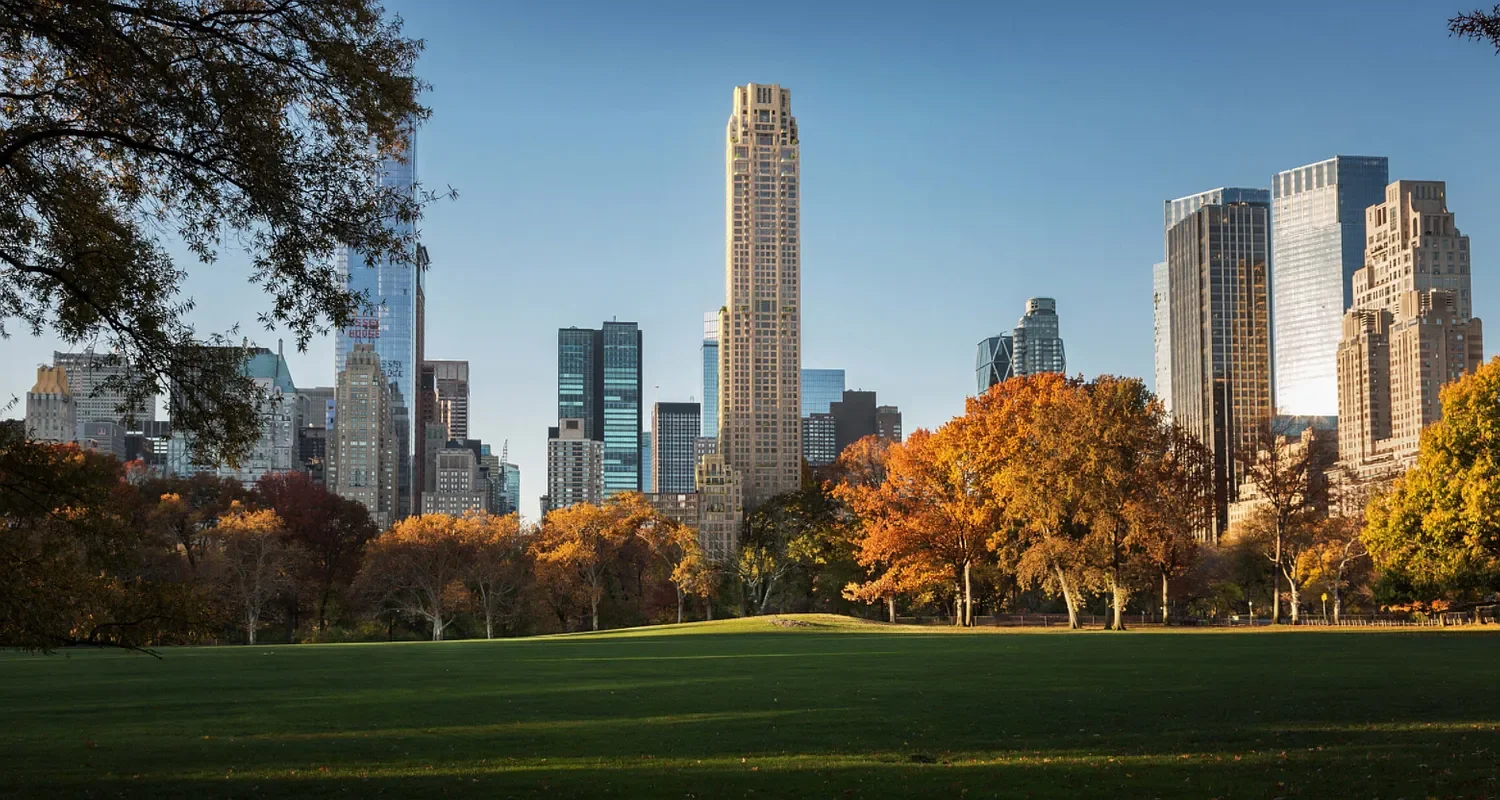
The streetscape ranges from the bright commercial core around Times Square to the lower-rise residential blocks of Hell's Kitchen, with a row of slender supertall towers rising along 57th Street.
Top Midtown West Buildings To Buy in
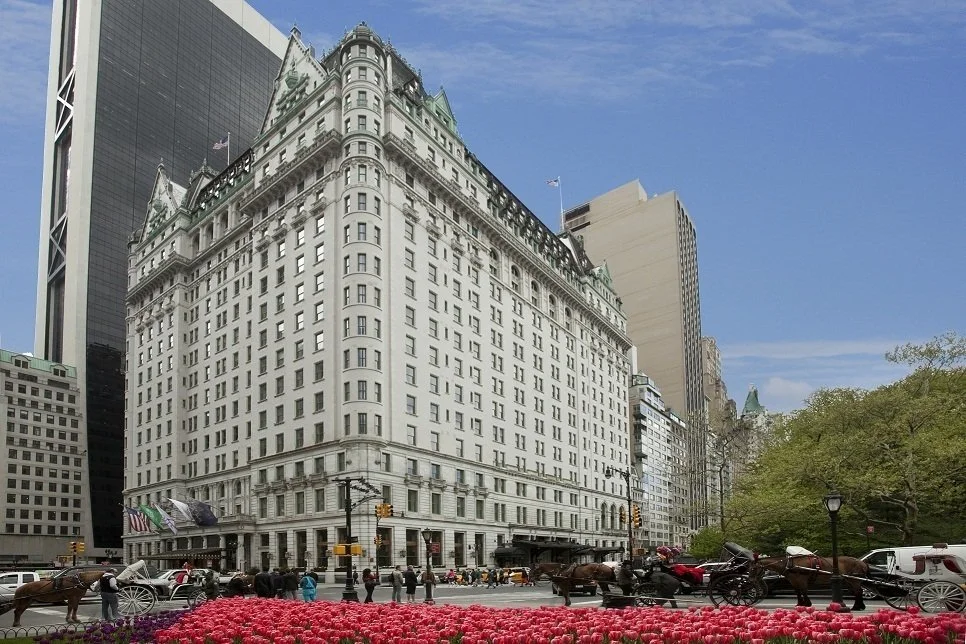
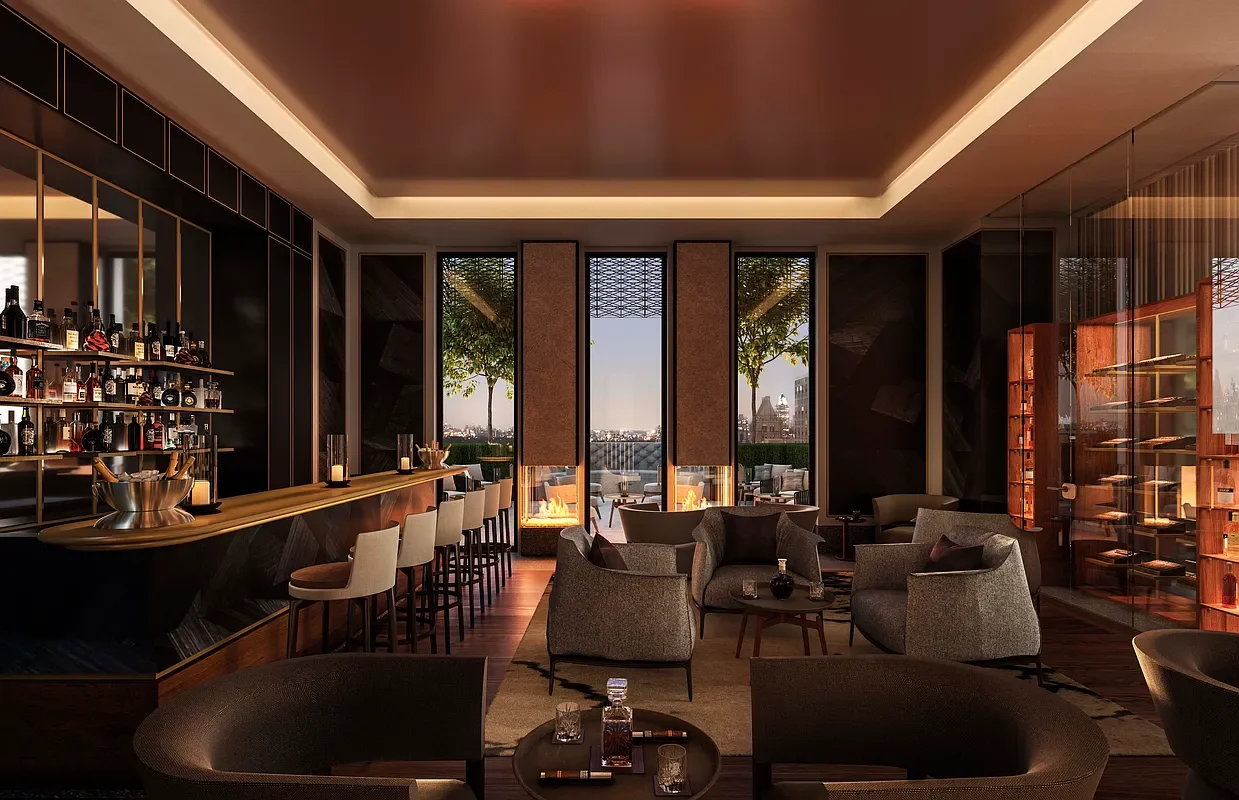
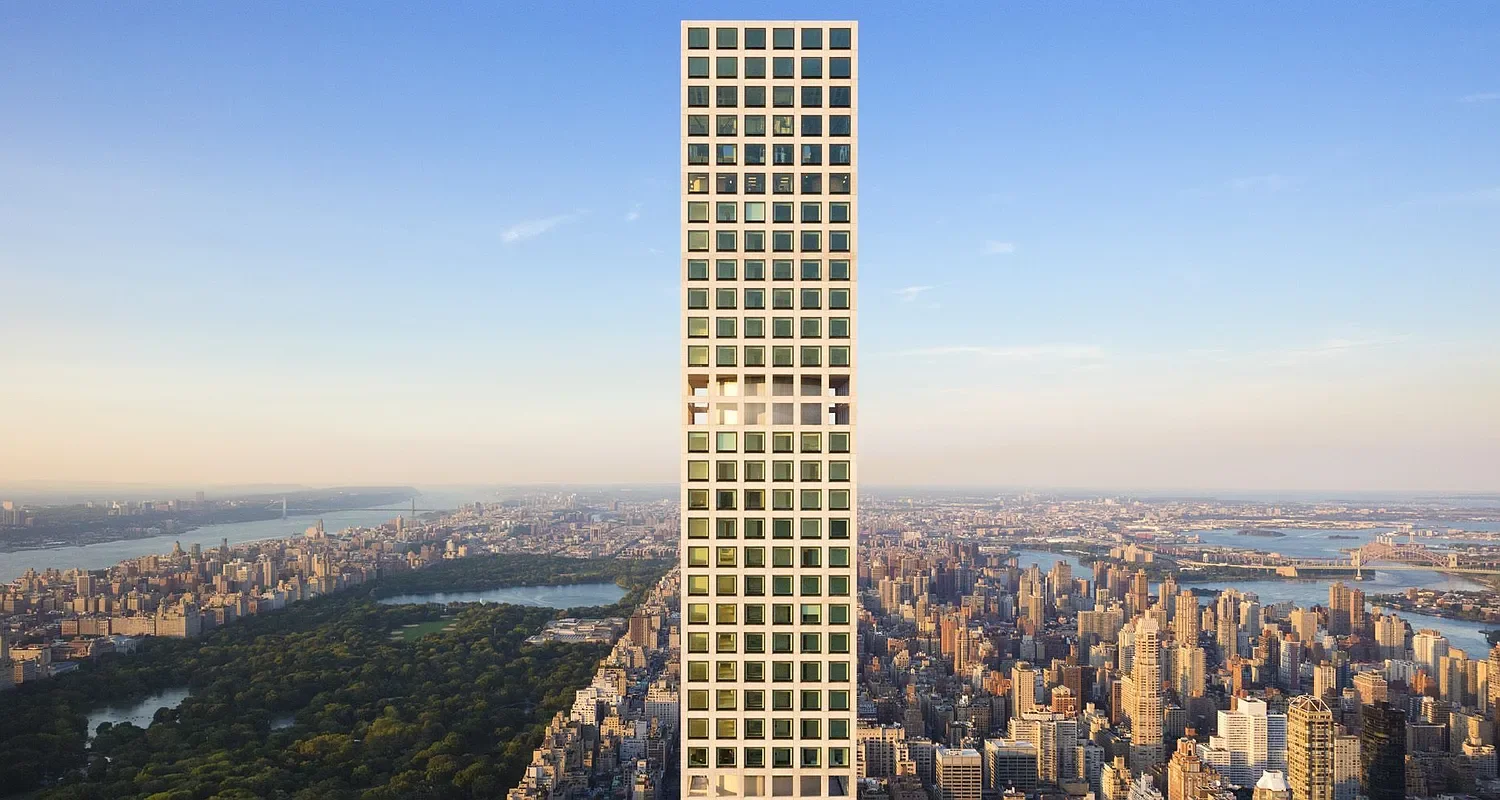
The character: trophy towers and a working west side
Two things define Midtown West. First, the 57th Street corridor. Along the southern edge of Central Park, a series of slender supertall condominium towers, known as Billionaires' Row, has made the area home to some of the most expensive residences in the world, with direct Central Park views. Second, the everyday west side. Just blocks away, the Theater District and Hell's Kitchen carry a busy, lived-in energy, a dense mix of restaurants, theaters, and residential streets that feels worlds apart from the towers to the north.
The result is a neighborhood of extremes, from global trophy real estate to an active, walkable working west side, the kind of area buyers choose when they want either the newest tower in the city or a more attainable home near the center.
The housing stock: supertall condos, new towers, and Hell's Kitchen
The defining feature of Midtown West real estate is its range.
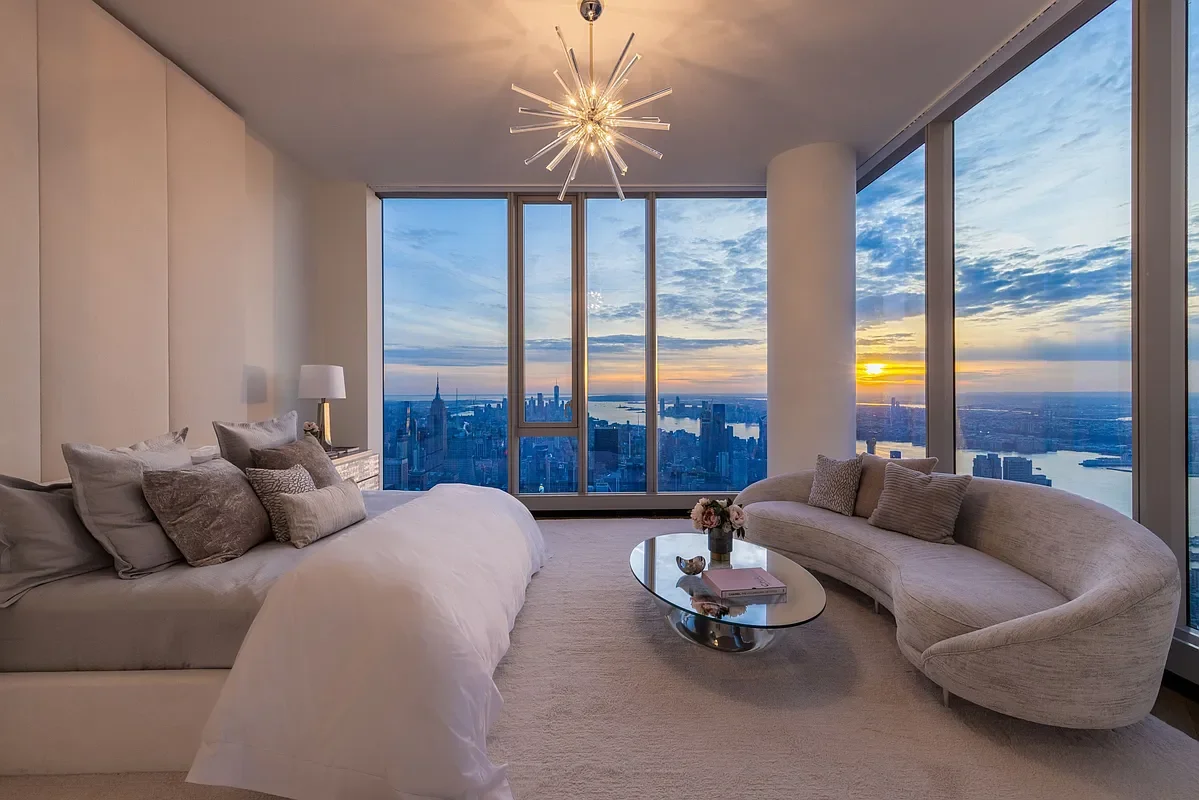
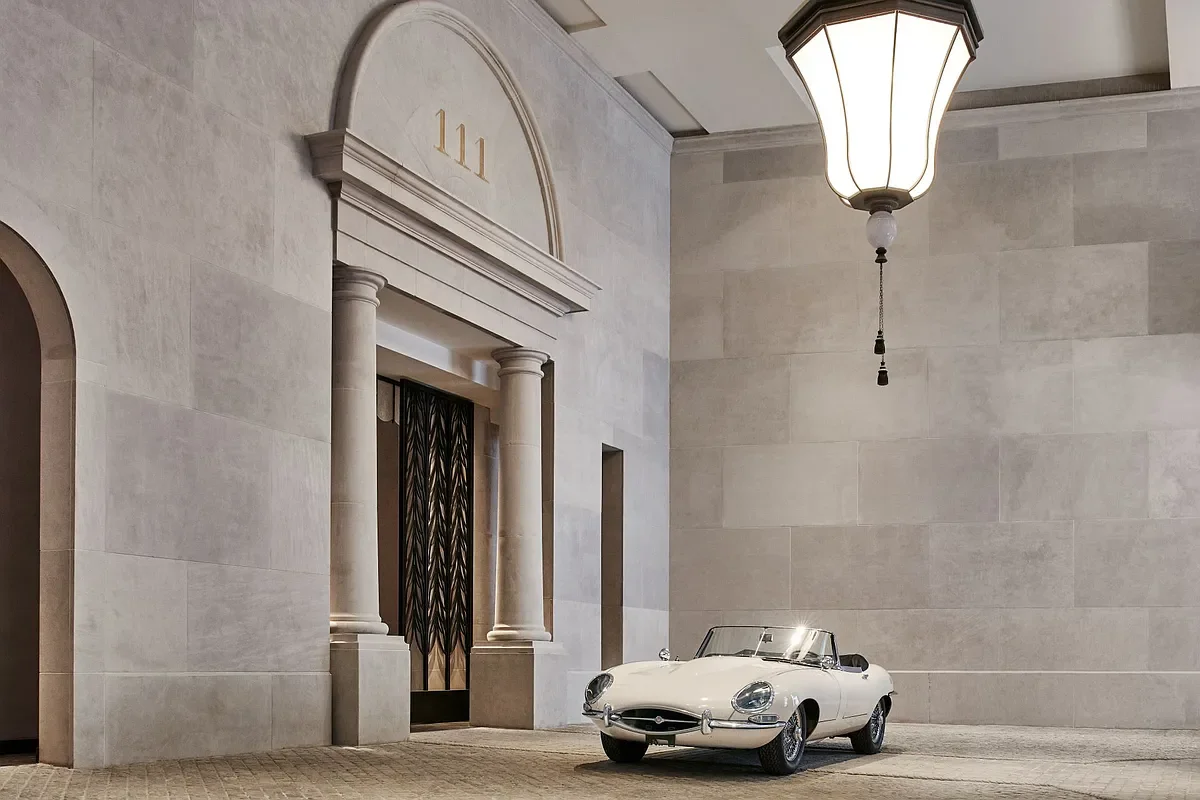
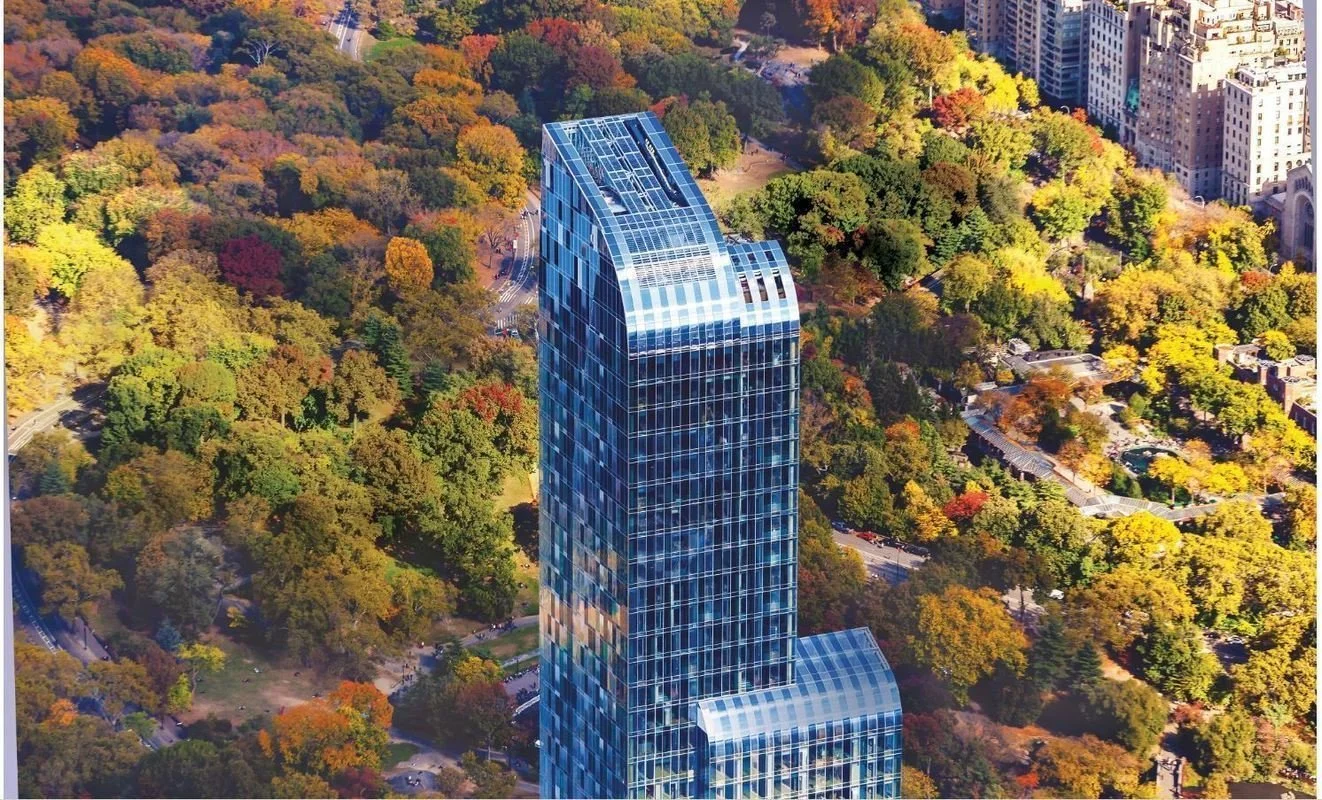
- Billionaires' Row condominiums. Along 57th Street, slender supertall towers such as those overlooking Central Park hold some of the largest and most expensive condominiums in the city, full-service and amenity-rich, with direct park views. One57, 220 Central Park South, and Central Park Tower are among the recognizable examples.
- Hell's Kitchen new condominiums and conversions. West of Eighth Avenue, newer condominium buildings and conversions offer full-service living at a wider range of prices than the 57th Street corridor.
- Brownstones and prewar walk-ups. The side streets of Hell's Kitchen hold rows of brownstones, tenements, and walk-up buildings, some converted to condominiums and co-ops, that give the area its lower-rise residential texture.
If you want a brand-new tower with Central Park views or a more attainable home with neighborhood character, Midtown West offers both within a short walk.
Why buyers choose Midtown West
- New construction. For buyers who want the newest, most amenity-rich condominiums in the city, the 57th Street corridor and Hell's Kitchen offer some of the deepest new-development inventory in Manhattan.
- Central Park views. The 57th Street towers offer some of the most dramatic direct Central Park views available anywhere.
- Energy and convenience. The Theater District, the restaurant scene, and the transit hub at Columbus Circle make the area lively and exceptionally connected.
- Range of price. Few neighborhoods span as wide a range, from global trophy condominiums to more attainable apartments a few blocks west.
A market of extremes, building by building
This is the single most important thing to understand about Midtown West: value is driven by which stretch and which building you are buying, and the range is enormous.
A supertall condominium on 57th Street and a converted walk-up in Hell's Kitchen are different markets entirely, serving different buyers and pricing on their own terms. The trophy tower sells park views, finishes, amenities, and scale. The Hell's Kitchen home sells location, character, and relative value. Within either one, the floor, the exposure, the views, and the level of finish can swing value dramatically. Neighborhood-wide averages tell you almost nothing in a market this wide. The stretch, the building, and the apartment tell you everything, and knowing those differences in detail is most of the job.
Off-market in Midtown West
As across luxury Manhattan, some of Midtown West's best homes, especially the high-floor, park-facing residences in its newer towers, change hands quietly, without a public listing. Access depends on relationships inside the buildings and across the brokerage community. See how off-market deals work in NYC.
Condo, co-op, or conversion
Because Midtown West skews toward condominiums, particularly in its new construction, the area tends to be friendlier than co-op-dominated neighborhoods for buyers who need flexibility:
- Pied-a-terre and non-resident buyers. The new condominiums rarely impose the primary-residence and entity-ownership restrictions that co-ops do, so the area suits second-home and international buyers well. See condo vs. co-op for a pied-a-terre and our guide for foreign and non-resident buyers.
- Buyers who want full-service living. The 57th Street and Hell's Kitchen condominium towers offer the staff and amenities buyers expect at the top of the market.
- Buyers seeking value. The co-ops and converted buildings in Hell's Kitchen can offer more attainable entry points than the trophy corridor.
How to buy in Midtown West
- Product knowledge. Because value spans from supertall trophies to attainable conversions, the right advisor is one who knows the full range and can tell you which fits your life and your money.
- Access. With the best high-floor homes often trading off-market, relationships determine what you actually see.
- Readiness. Have financing or proof of funds, an attorney, and your ownership structure in place so you can move when the right home appears.
FAQ
Where are the boundaries of Midtown West?
Midtown West runs roughly from the low 40s to 59th Street, between Sixth Avenue and the Hudson River. It includes the Theater District around Times Square, Hell's Kitchen to the west, and the 57th Street corridor known as Billionaires' Row, with Columbus Circle at its northwest corner. As with most Manhattan neighborhoods, the edges are loosely held.
Is Midtown West mostly condos or co-ops?
Midtown West skews toward condominiums, especially in its new construction along 57th Street and in Hell's Kitchen, with co-ops and converted buildings in the minority. That condo-heavy mix is one reason it appeals to buyers who want flexibility, including non-resident and pied-a-terre buyers.
What is Billionaires' Row?
Billionaires' Row is the informal name for the stretch of 57th Street near the southern edge of Central Park, where a series of slender supertall condominium towers has been built, holding some of the largest and most expensive residences in the city, with direct park views. One57, 220 Central Park South, and Central Park Tower are among the recognizable examples.
Can you buy a pied-a-terre in Midtown West?
Yes, and often more easily than in co-op-dominated neighborhoods. Because the area is condo-heavy, particularly in its new construction, buyers face fewer primary-residence and entity-ownership restrictions. See our guides to condo vs. co-op and to buying as a foreign or non-resident buyer.
What is the difference between Midtown West and Midtown East?
They sit on either side of the Midtown core and both mix commercial and residential, but they read differently. Midtown West is generally newer and more varied, spanning the Theater District, Hell's Kitchen, and the trophy condominium corridor along 57th Street. Midtown East is defined by its quiet prewar river enclaves, Sutton Place, Beekman, and Turtle Bay, and the Park Avenue corridor.
Elevated Advisement represents buyers across Midtown West, from the 57th Street trophy towers to Hell's Kitchen, including their off-market inventory. To start your search, get in touch.