
SoHo
SoHo is one of New York's most recognizable neighborhoods, and one of its most unusual places to buy. It is a landmarked district of 19th-century cast-iron buildings, where the signature home is a wide, open loft carved out of a former factory floor. The architecture that makes SoHo iconic also makes its real estate distinctive: tightly regulated, loft-dominated, and full of quirks that exist almost nowhere else in Manhattan. If you are looking here, the most useful thing to understand is that SoHo trades building by building, and loft by loft. This guide explains how the market works, from a team active across downtown's loft neighborhoods.
Where SoHo is
SoHo takes its name from "South of Houston Street." Its boundaries are loosely held, as with most downtown neighborhoods, but the common version runs from West Houston Street on the north to Canal Street on the south, and from Sixth Avenue (Avenue of the Americas) on the west to Lafayette and Crosby Streets on the east. NoHo sits just to the north, Nolita and Little Italy to the east, Tribeca and Hudson Square to the south and west, and Greenwich Village above.
Several of its side streets, including Greene, Mercer, and Wooster, are still paved in Belgian block, the cobblestone-style granite that predates the asphalt grid. Those stretches, lined with cast-iron facades, are what give SoHo its instantly recognizable streetscape.
The character, and why it is protected
SoHo holds the largest concentration of cast-iron architecture in the world. In the second half of the 19th century the area was a manufacturing and dry-goods district, and its builders used prefabricated cast iron to raise ornate, column-fronted facades quickly and cheaply. By the mid-20th century the factories had emptied, and in the 1960s and 1970s artists began moving into the vacant upper-floor lofts for their light and space.
That history is now protected. The Landmarks Preservation Commission designated the SoHo-Cast Iron Historic District in 1973 and extended it in 2010, covering roughly 26 blocks and several hundred buildings. Landmark status tightly limits what can be altered or built, which is a large part of why SoHo still looks the way it does, and why new construction is rare.
The housing stock: what you can buy
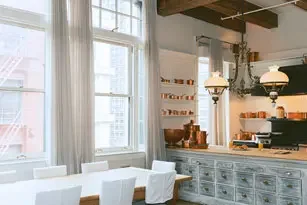
The defining SoHo home is the loft.
- Cast-iron loft conversions. Former manufacturing floors turned into residences, often with soaring ceilings, oversized windows, cast-iron columns, and floor plates far wider than a typical Manhattan apartment.
- Co-ops. A large share of SoHo's loft buildings are co-ops, many created when artist-residents bought their buildings decades ago.
- Condominiums. Present, but in the minority. Because the district is landmarked, full-service new-development condos are uncommon, which makes the few modern condo offerings stand out.
If you want volume, light, and architectural character over a conventional layout, SoHo delivers it in a way few other neighborhoods can.
The artist-certification rule, and why it matters
SoHo has one rule that exists almost nowhere else in Manhattan, and every buyer here should understand it.
When the city first allowed residential use of SoHo's manufacturing lofts in the early 1970s, it did so through a special category called Joint Live-Work Quarters for Artists (JLWQA). In the buildings still governed by that framework, the law has historically required that at least one occupant be a New York City-certified artist, a designation issued by the Department of Cultural Affairs. The result is that some SoHo lofts are, on paper, restricted to certified artists.
In practice the rule has been unevenly enforced for years, and a 2021 city rezoning of SoHo and NoHo began to loosen it. But it has not vanished, and it can still affect a building's certificate of occupancy, a buyer's financing, and resale. Before buying a SoHo loft, it is worth confirming the unit's zoning, its certificate of occupancy, and whether any artist-certification or live-work conditions apply. This is one of the clearest examples of why building-level knowledge matters more in SoHo than almost anywhere else.
Why buyers choose SoHo
- Architecture. Cast-iron facades and column-lined loft interiors that cannot be reproduced in new construction.
- Scale. Wide, open floor plates with the kind of light and proportion that draw design-minded buyers.
- Location. Central downtown, with SoHo's flagship shopping and dining at the door and easy access across Lower Manhattan.
- Scarcity. A small, landmarked district where little new supply can ever be added.
A building-specific market
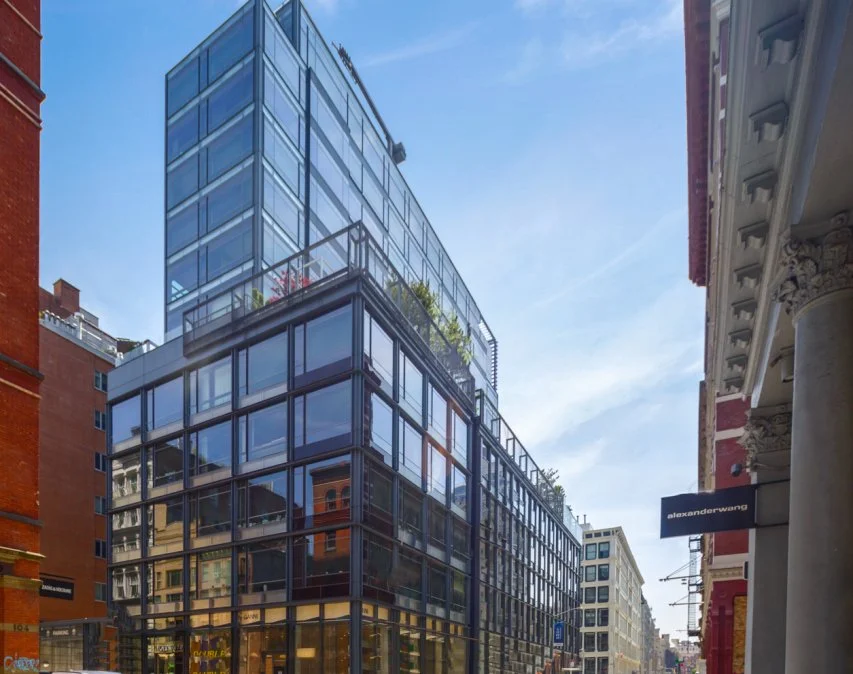
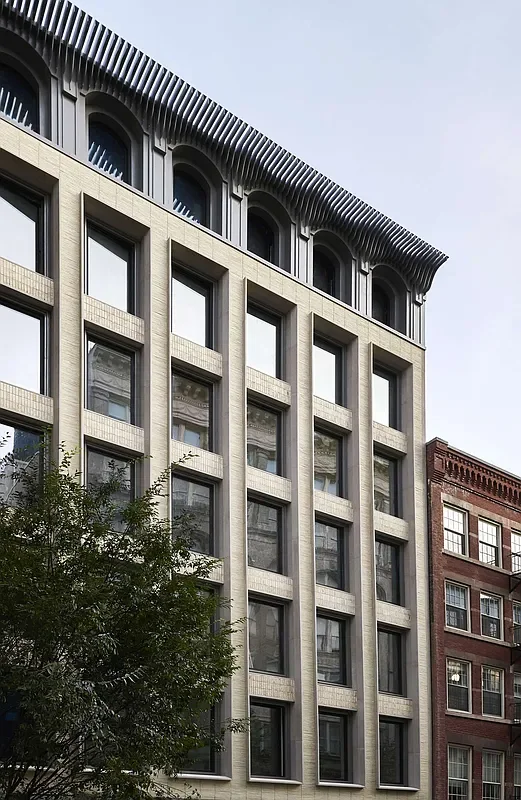
As in Tribeca, the West Village etc. value in SoHo is driven by the specific building and varies loft to loft, not by a neighborhood average. Ceiling height, column spacing, light, exposure, and which floor a loft sits on can swing value dramatically, and a building's zoning and certificate of occupancy can matter as much as its finishes. The handful of modern condominiums, such as Jean Nouvel's 40 Mercer Street and Renzo Piano's 565 Broome SoHo, price on entirely different terms from the surrounding co-op loft stock. Neighborhood-wide figures tell you very little here; the building, the line, and the floor tell you almost everything.
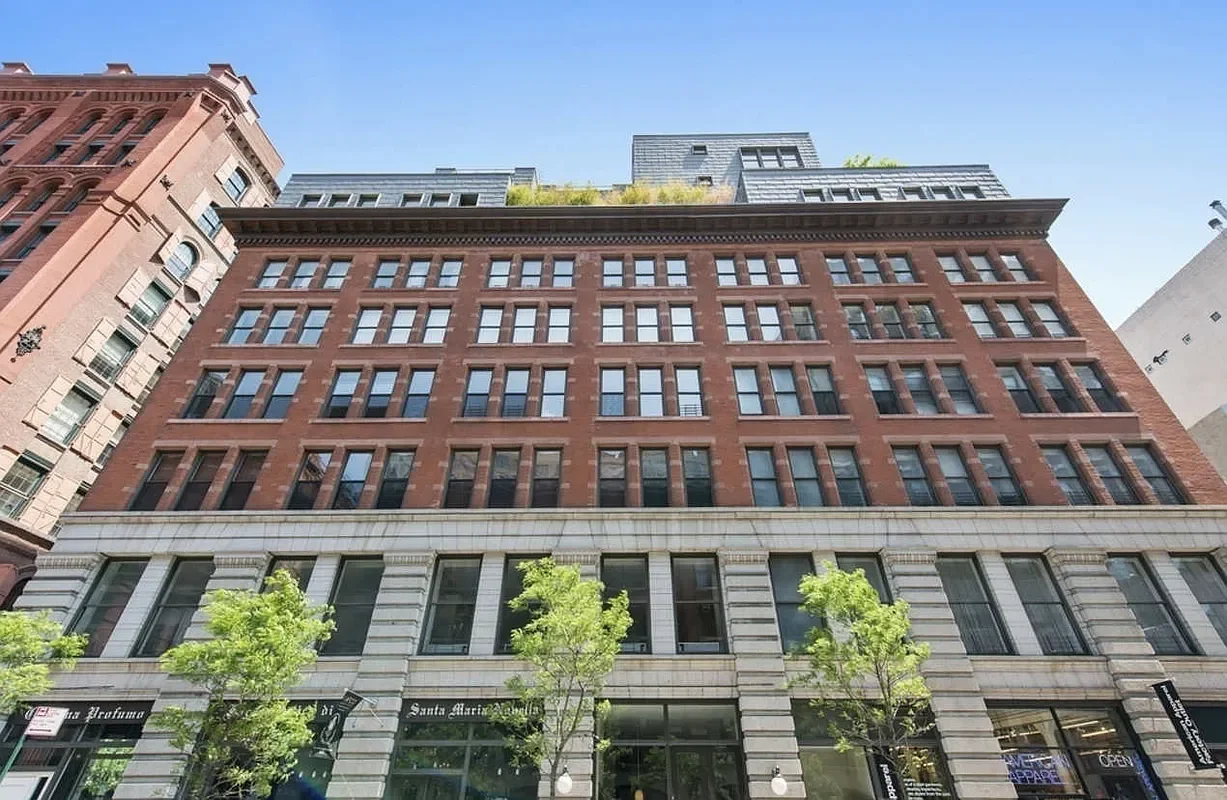
Buildings we know in SoHo

Off-market in SoHo
As across luxury downtown Manhattan, many of SoHo's best lofts trade quietly, agent to agent, before they are ever publicly listed. In a district this small and tightly held, access depends on relationships inside the buildings and across the brokerage community. See how off-market deals work in NYC.
Condo, co-op, or loft
SoHo skews toward co-ops and loft buildings, with condominiums in the minority, and that mix matters for some buyers:
- Pied-à-terre and non-resident buyers. Many co-ops restrict non-primary-residence ownership, and SoHo can add the artist-certification layer on top. Second-home and international buyers often focus on the neighborhood's condominiums as a result. See condo vs. co-op for a pied-à-terre and our guide for foreign and non-resident buyers.
- Buyers who want full-service living. That usually points to one of the modern condominiums rather than a smaller loft co-op.
How to buy in SoHo
- Building knowledge. Because value is building-specific and zoning varies loft to loft, the right advisor is one who knows the individual buildings, their certificates of occupancy, and their quirks.
- Access. With much of the best inventory trading off-market, relationships determine what you get to see.
- Readiness. Have financing or proof of funds, an attorney, and your ownership structure in place so you can move when the right loft appears.
FAQ
Where are the boundaries of SoHo?
SoHo stands for South of Houston Street. The common version runs from West Houston Street south to Canal Street, and from Sixth Avenue east to Lafayette and Crosby Streets, though the edges are loosely defined. NoHo sits to the north and Nolita to the east.
Do you have to be an artist to buy a loft in SoHo?
In buildings still governed by the original Joint Live-Work Quarters for Artists framework, the law has historically required at least one occupant to be a New York City-certified artist. Enforcement has been uneven and a 2021 rezoning began loosening the rule, but it can still affect a loft's certificate of occupancy and financing, so confirm a unit's zoning before buying.
Is SoHo real estate mostly co-ops or condos?
Mostly co-ops and loft conversions, with condominiums in the minority. New-development condos are rare because the SoHo-Cast Iron Historic District is landmarked, which is part of why the modern condominiums that do exist stand out.
What makes SoHo architecture special?
SoHo has the world's largest concentration of cast-iron architecture, much of it built as 19th-century manufacturing and dry-goods buildings and now protected within the SoHo-Cast Iron Historic District. The signature home is a wide loft with high ceilings, big windows, and cast-iron columns.
Can you buy a pied-à-terre in SoHo?
Yes, but the building matters. Many SoHo co-ops restrict non-primary-residence use and some lofts carry artist-certification conditions, so pied-à-terre and non-resident buyers often focus on the neighborhood's condominiums. See our guides to condo vs. co-op and to buying as a foreign or non-resident buyer.
Elevated Advisement represents buyers across SoHo's loft, co-op, and condominium market, including its off-market inventory. To start your search, get in touch.