Upper West Side
The Upper West Side is where buyers go in Manhattan when they want prewar grandeur with a more relaxed, cultural feel. Unlike the Upper East Side, which is often defined by formality, avenue prestige, and old-world polish, the Upper West Side has a softer rhythm. It is framed by Central Park on one side and Riverside Park on the other, with Broadway running through the middle, and its identity is shaped by landmark apartment houses, neighborhood institutions, schools, museums, restaurants, and a deeply residential quality that has made it one of Manhattan’s most enduring family neighborhoods.
For buyers, the appeal of the Upper West Side is both architectural and emotional. Central Park West and Riverside Drive offer some of the city’s great prewar buildings, many with grand layouts, large rooms, high ceilings, and views that are difficult to replicate. But the market is also highly specific. The Upper West Side is largely a co-op market, and value is determined building by building, board by board, and apartment by apartment. Light, condition, ceiling height, views, maintenance, board culture, and exact location can change the story completely. If you are looking here, the most useful thing to understand is that the neighborhood average matters less than the particular building and the particular home. This guide explains how the market works, from a team active in it.
Where the Upper West Side is
The Upper West Side runs from roughly 59th Street north to 110th Street, between Central Park and the Hudson River. Its frame is built from four main corridors: Central Park West along the park, Riverside Drive along the river, and Broadway, Columbus, and Amsterdam Avenues running up the middle. Lincoln Square sits at the southern end around Lincoln Center, the heart of the neighborhood runs through the 70s and 80s, and the blocks shade toward Manhattan Valley and Morningside Heights at the northern edge.
The streetscape is defined by grand prewar apartment houses on the park and river, brownstone side streets in between, and a busy, walkable retail spine along Broadway, Columbus, and Amsterdam.
Top Upper West Side Buildings To Buy In
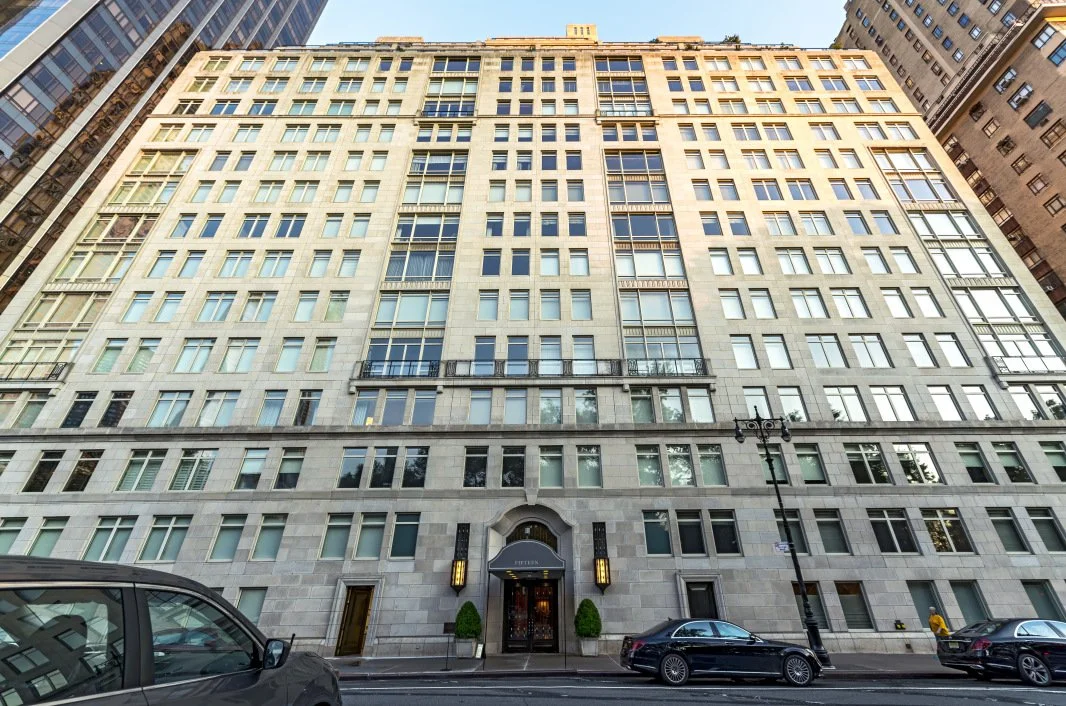
The character: the park, the river, and the culture
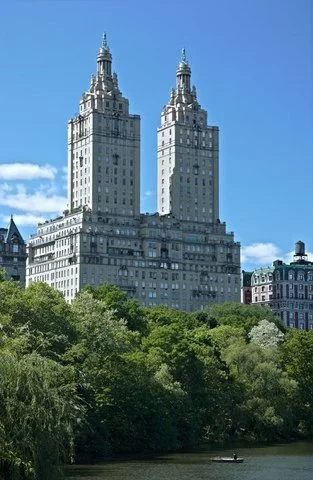
Two things define the Upper West Side. First, its two waterfront-and-park boulevards. Central Park West, with its landmark towered apartment houses, and Riverside Drive, overlooking Riverside Park and the Hudson, give the neighborhood two of the most prized residential frontages in the city. Second, the culture and the everyday texture. Lincoln Center, the American Museum of Natural History, and a long tradition of intellectual and artistic life give the area its tone, while the avenues keep it lively and grounded.
The result reads as established but less formal than the East Side, the kind of neighborhood buyers choose when they want prewar scale and Central Park proximity with a more relaxed, lived-in character.
The housing stock: prewar co-ops, brownstones, and newer condos
The defining feature of Upper West Side real estate is the prewar co-op, but the market has real range.
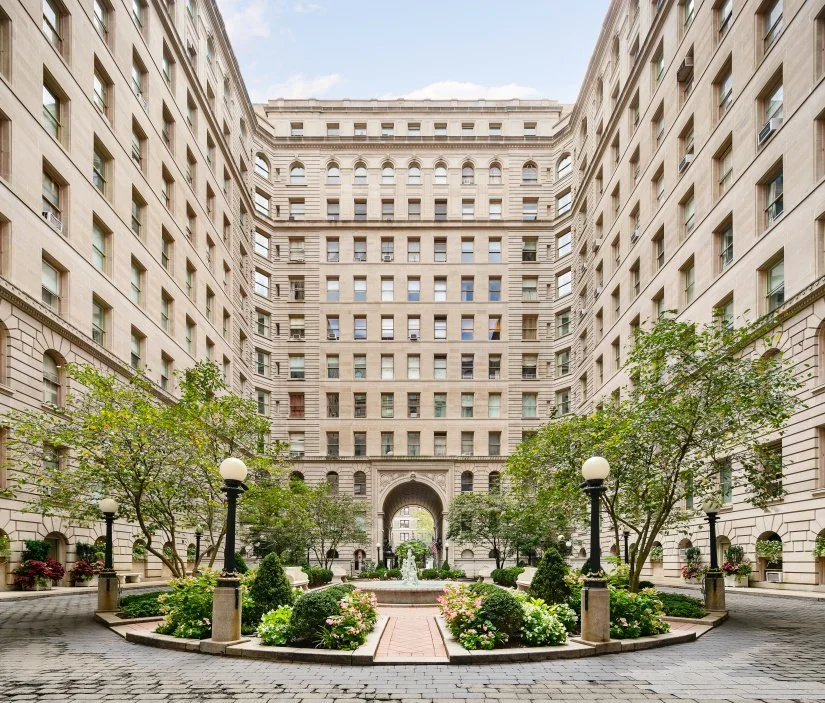
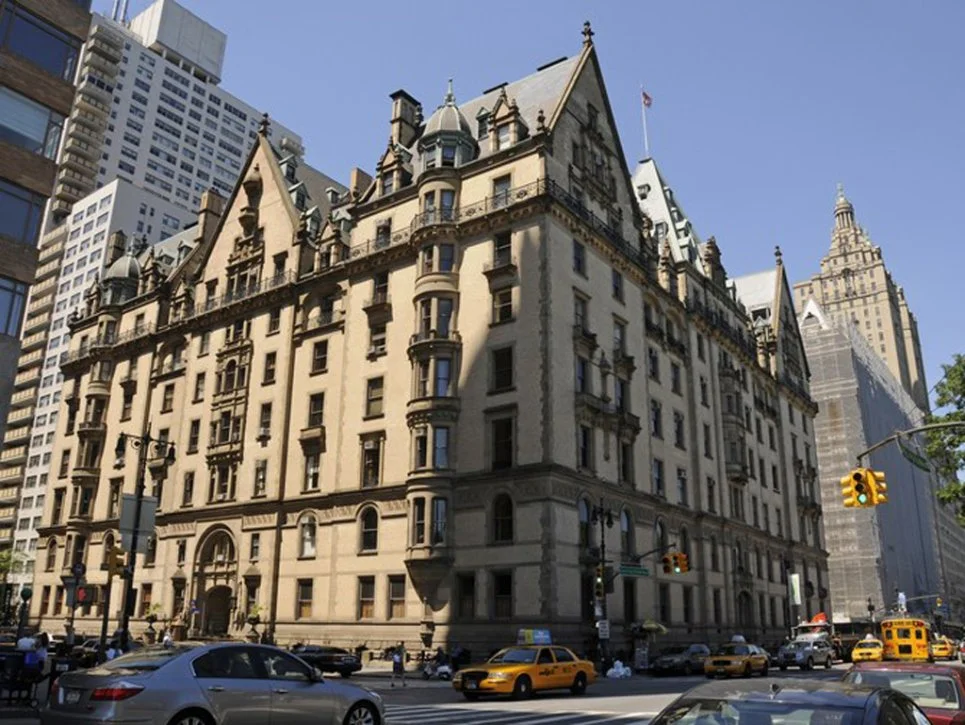
- Prewar co-operatives. The signature product. The landmark apartment houses along Central Park West, including famous towered buildings, and the grand buildings on Riverside Drive and West End Avenue hold some of the most sought-after homes in the city, with the scale, ceilings, and detail that define the category.
- Brownstones and townhouses. The side streets between the avenues hold deep rows of brownstones, both single-residence and converted to apartments, many in landmarked historic districts.
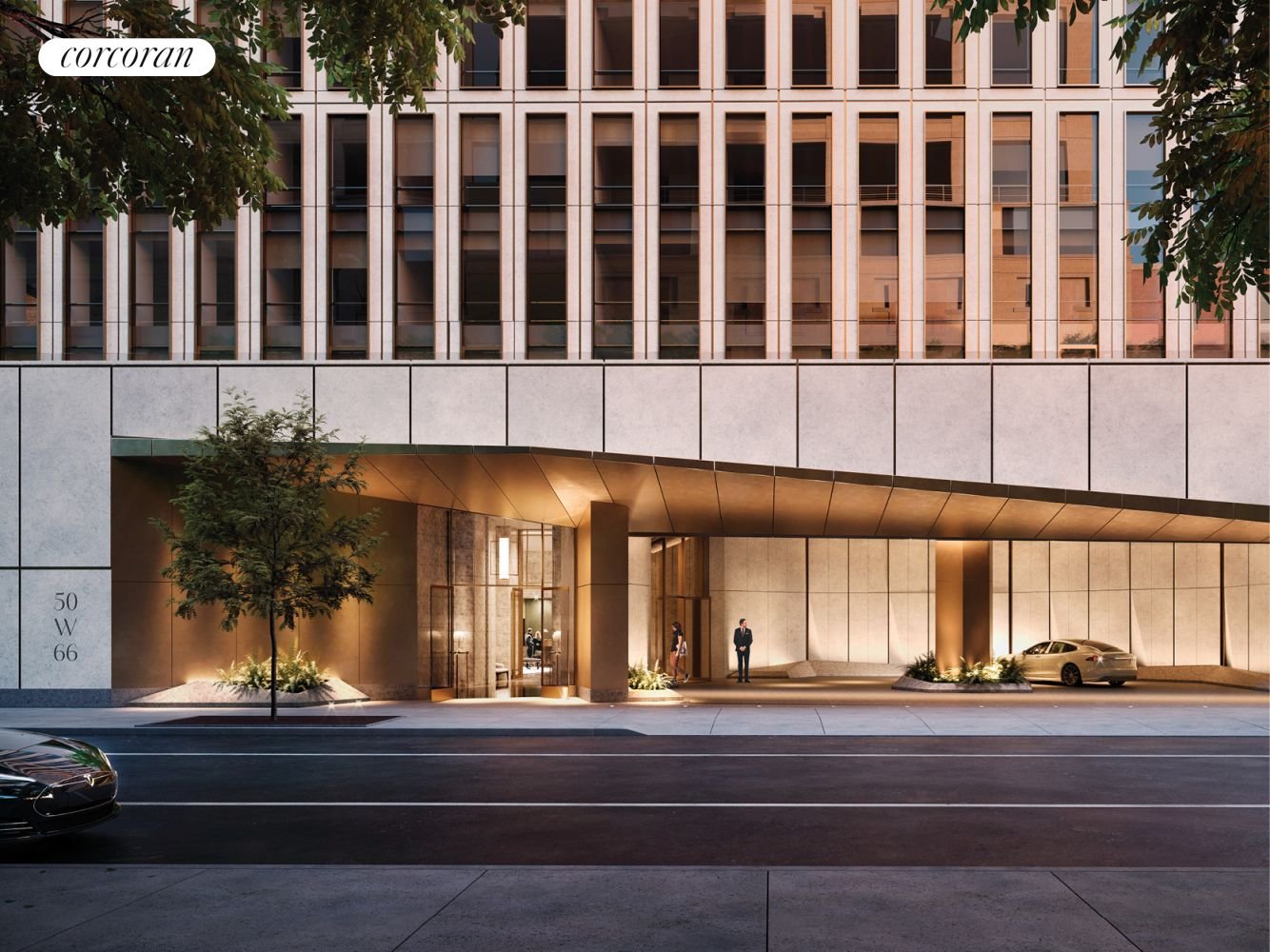
- Condominiums. A meaningful minority. Newer condominium towers, concentrated around Lincoln Square and along Broadway, offer full-service living with fewer ownership restrictions, which appeals to buyers who want flexibility.
If you want a classic prewar home with space, on or near the park or the river, the Upper West Side is one of the deepest markets in the city for it, with condo and brownstone options alongside.
Why buyers choose the Upper West Side
- The park and the river. Few neighborhoods offer both Central Park along one edge and Riverside Park and the Hudson along the other.
- The boulevards. Central Park West and Riverside Drive carry a recognition and prestige all their own, with the city's landmark prewar apartment houses lining them.
- Culture and walkability. Lincoln Center, the Natural History Museum, and a dense, walkable retail life give the area depth and convenience.
- Prewar quality. For buyers who want the scale, ceilings, and detail of prewar construction, the building stock here runs deep.
A co-op market, where the board matters
This is the single most important thing to understand about the Upper West Side: it is largely a co-op market, and in a co-op the building, and its board, shape what you can buy and how.
Most of the best apartments here are in co-operatives, which means a board approval process, financial requirements, and rules that vary from building to building. Some buildings are more flexible than others on financing, pied-a-terre use, and ownership structure. Within a single building, the line, the floor, the light, the ceiling height, and whether a residence faces the park or the river can swing value dramatically. Neighborhood-wide averages tell you very little here. The building, the board, and the specific apartment tell you almost everything, and knowing those differences in detail is most of the job.
Off-market on the Upper West Side
As across prime Manhattan, many of the Upper West Side's best homes, especially the high-floor prewar apartments on Central Park West and Riverside Drive and the brownstones, change hands quietly, without a public listing. Access depends on relationships inside the buildings and across the brokerage community. See how off-market deals work in NYC.
Condo, co-op, or brownstone
Because the Upper West Side is co-op-heavy, the ownership structure matters more here than in condo-dominated neighborhoods:
- Co-op buyers. Most of the inventory is co-operative, which means board approval and building-specific rules. Buyers who need flexibility should weigh those rules carefully. See condo vs. co-op for a pied-a-terre.
- Pied-a-terre and non-resident buyers. Co-ops frequently restrict pied-a-terre use and entity ownership, and can be strict on non-resident buyers, so the right building matters. The neighborhood's newer condominiums, concentrated around Lincoln Square, and certain more flexible co-ops are often a better fit. See our guide for foreign and non-resident buyers.
- Brownstone buyers. For those who want a whole house, the side streets offer deep rows of brownstones, though the best rarely come to market.
How to buy on the Upper West Side
- Building and board knowledge. Because value and approvability are building-specific, the right advisor is one who knows the individual buildings, their boards, and their rules, not just the neighborhood.
- Access. With the best apartments and brownstones trading quietly, relationships determine what you see.
- Readiness. Have financing or proof of funds, an attorney, and your ownership structure in place, and understand what a board will expect, so you can move when the right home appears.
FAQ
Where are the boundaries of the Upper West Side?
The Upper West Side runs roughly from 59th Street to 110th Street, between Central Park and the Hudson River. It includes Lincoln Square at the southern end, the core through the 70s and 80s, and shades toward Manhattan Valley and Morningside Heights to the north. As with most Manhattan neighborhoods, the edges are loosely held.
Is the Upper West Side mostly co-ops or condos?
The Upper West Side is dominated by prewar co-operative apartments, with brownstones on the side streets and a meaningful but still minority share of condominiums, concentrated around Lincoln Square and along Broadway. The co-op is the defining product.
What kind of buildings is the Upper West Side known for?
The landmark prewar apartment houses along Central Park West, including its famous towered buildings, and the grand buildings on Riverside Drive and West End Avenue, alongside brownstone side streets and newer full-service condominium towers. Because the market is building-specific, character and price vary widely from one address to the next.
Can you buy a pied-a-terre on the Upper West Side?
Sometimes, but it is harder than in condo-heavy neighborhoods. Many Upper West Side co-ops restrict pied-a-terre use, entity ownership, and non-resident buyers, so the right building matters. The neighborhood's newer condominiums and more flexible co-ops are usually the better path. See our guides to condo vs. co-op and to buying as a foreign or non-resident buyer.
What is the difference between the Upper West Side and the Upper East Side?
They are Central Park's two flanking neighborhoods and share a deep prewar co-op stock, but they read differently. The Upper West Side is generally seen as the more relaxed and cultural of the two, anchored by Central Park West, Riverside Drive, and Lincoln Center. The Upper East Side is the more formal, defined by Fifth and Park Avenue grandeur, the museums, and Madison Avenue retail.
Elevated Advisement represents buyers across the Upper West Side's co-op, condo, and brownstone market, including its off-market and park-facing inventory. To start your search, get in touch.