
Tribeca
Tribeca is where buyers go in Manhattan when they want space. Tribeca is defined by large loft floor plates, trophy condominiums, and quiet pin drop streets. It is consistently ranked among the most expensive neighborhoods in New York, and often the most expensive by median sale price. If you are looking here, the most useful thing to understand is that Tribeca trades building by building. This guide explains how the market works, from a team active in it.
Where Tribeca is
Tribeca is short for "Triangle Below Canal." The core is bounded roughly by Canal Street to the north, West Street and the Hudson to the west, Broadway to the east, and Chambers Street to the south, though listings sometimes stretch the southern edge towards Barclay or Murray Street. Like most downtown neighborhoods, the boundaries are loosely held.
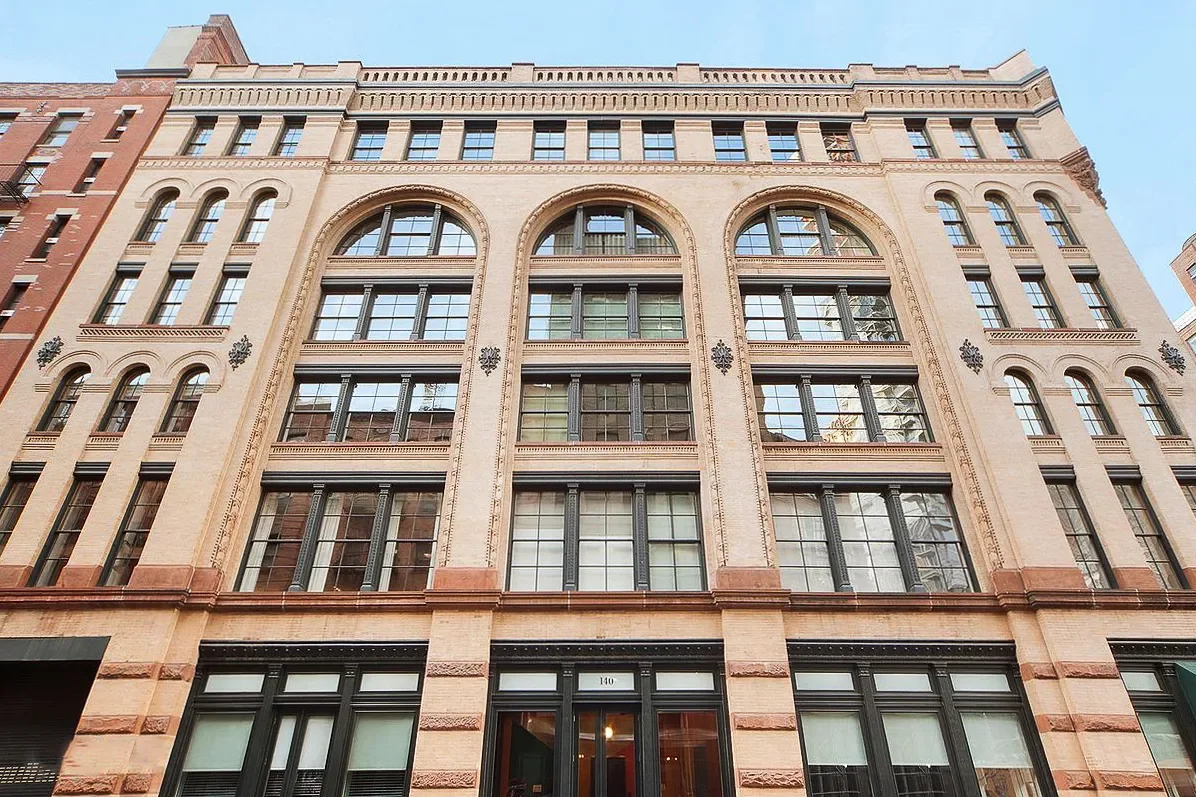
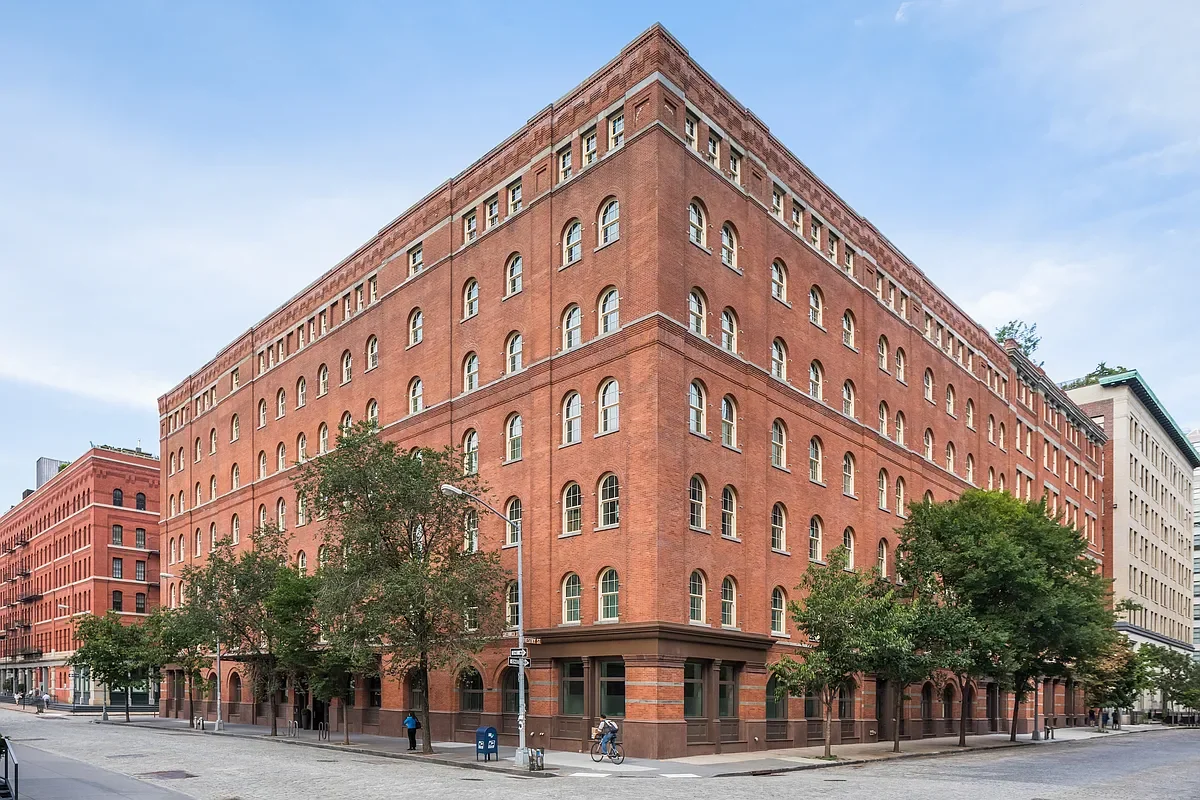
Its streets are cobblestone in stretches and lined with 19th-century cast-iron and masonry warehouses, originally built for textile, paper, and dry-goods merchants. That mercantile past is what gives Tribeca its scale: buildings designed to hold goods, not small apartments, now hold some of the largest homes in Manhattan.
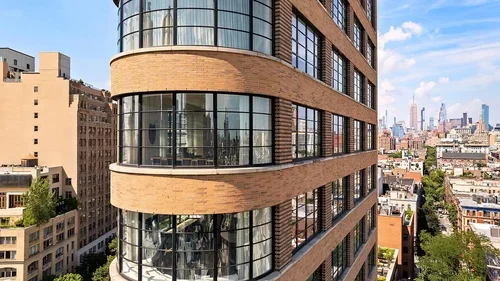
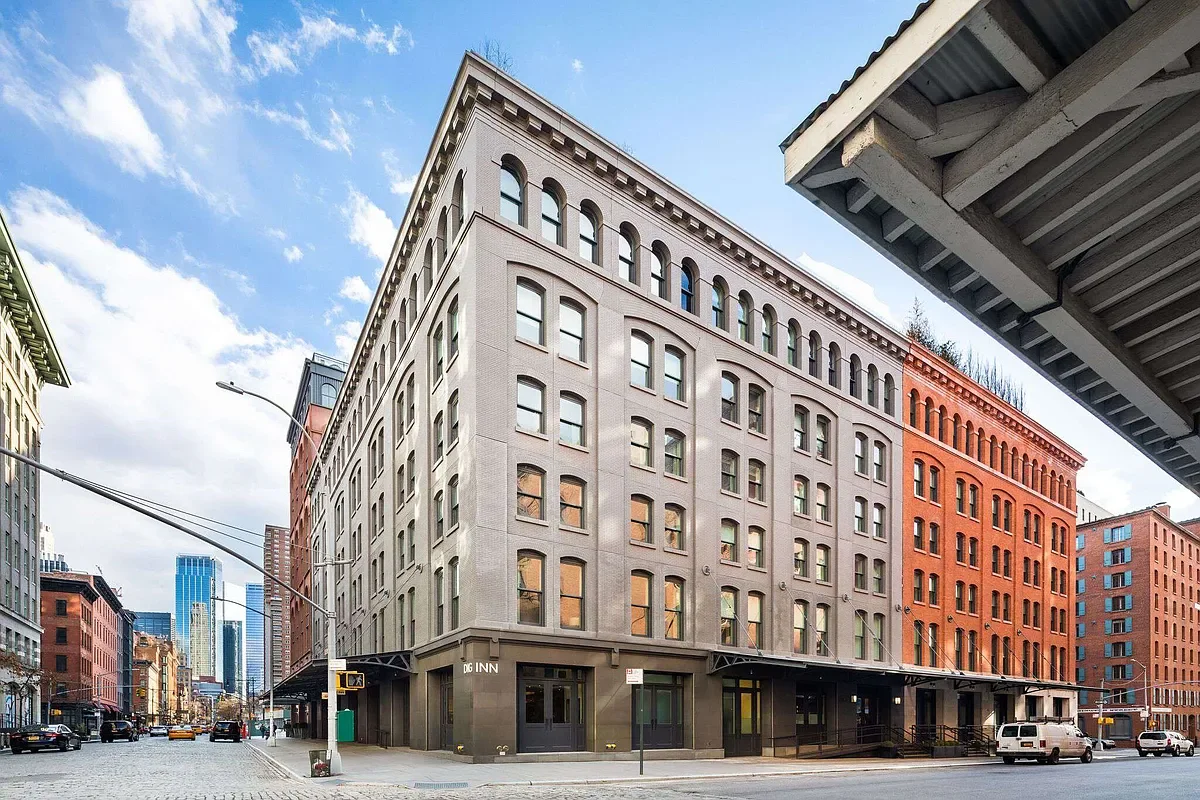
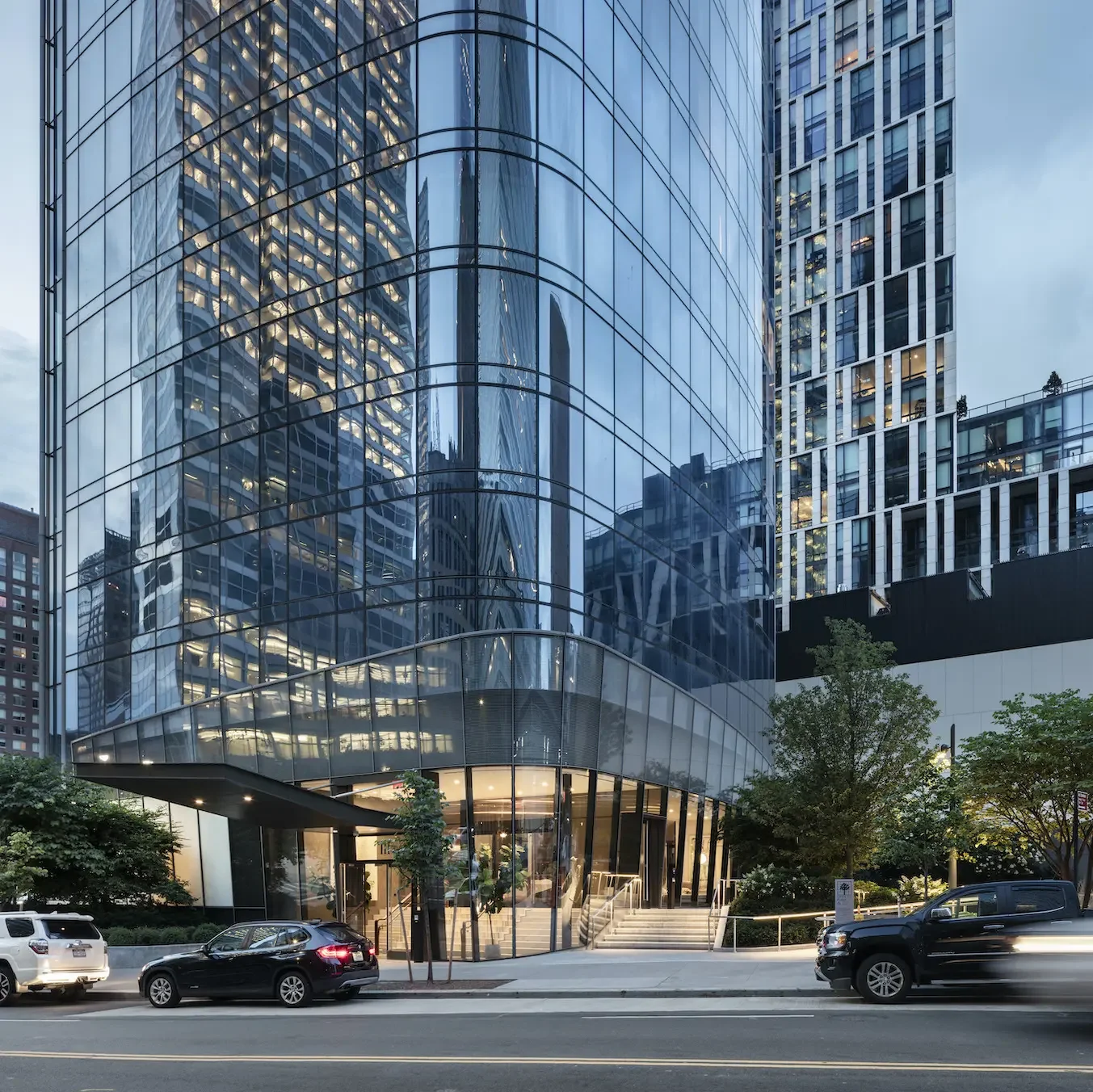
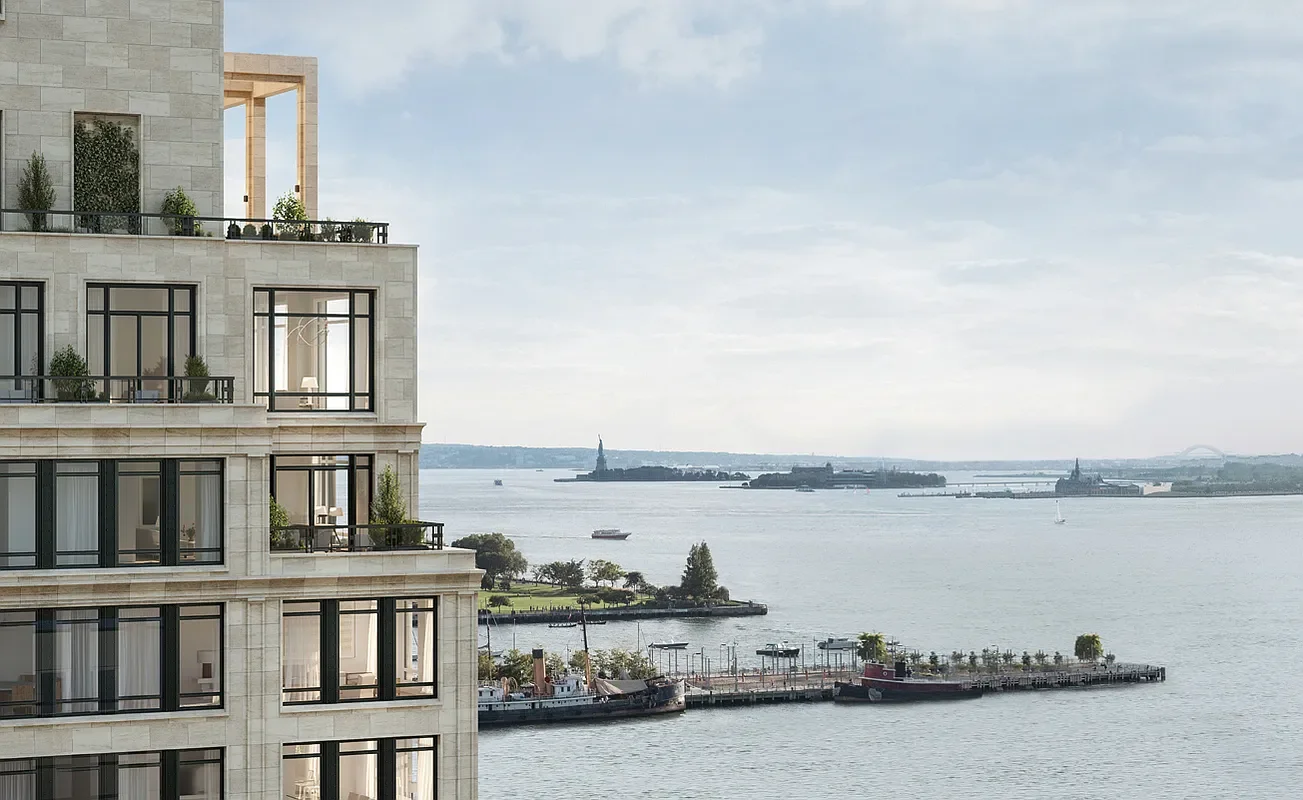
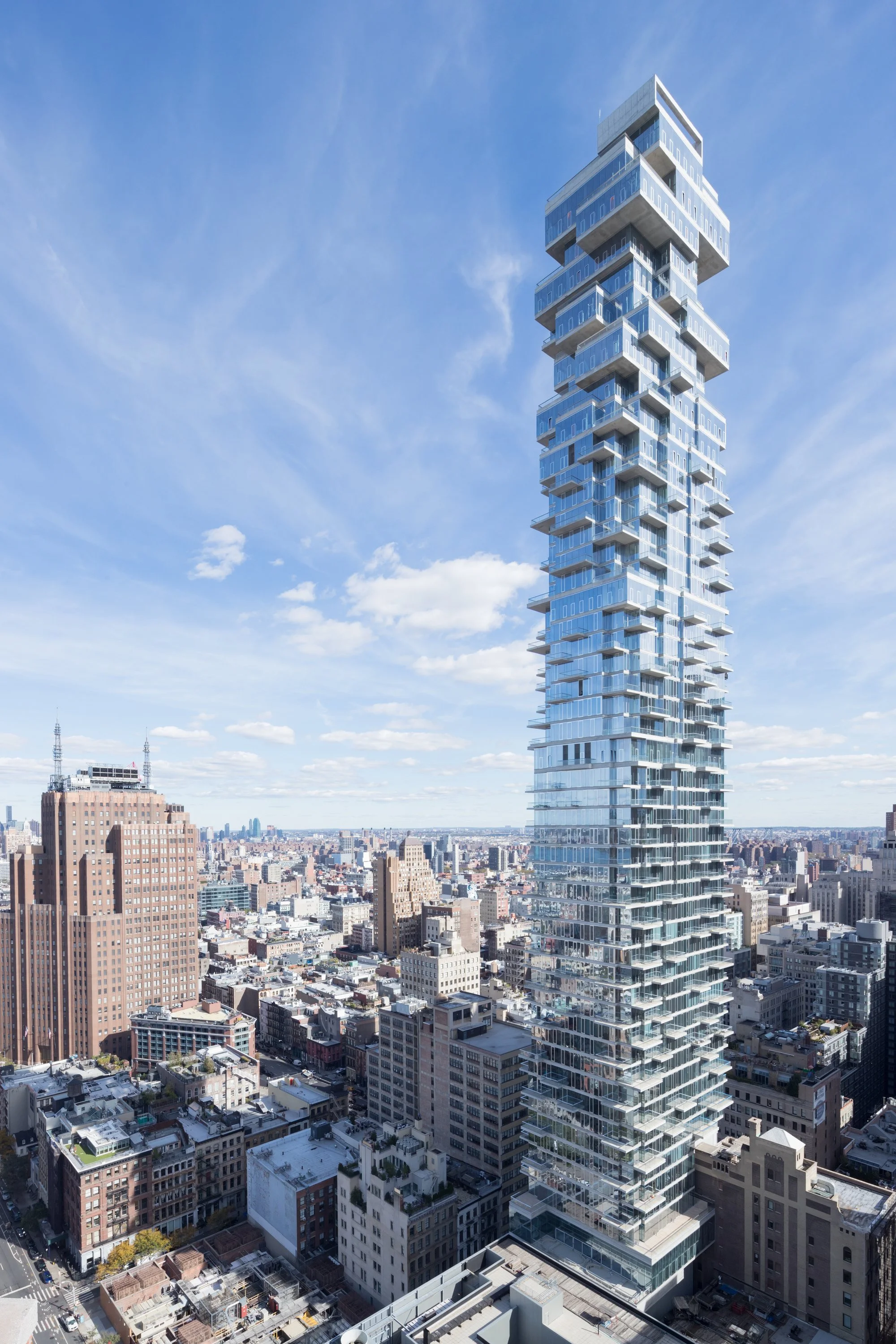
Notable Tribeca Buildings
The character, and why it is protected
Tribeca moved from a produce-and-dry-goods district to an artists' quarter to one of the most sought-after residential neighborhoods in the city. Much of it is protected: the Landmarks Preservation Commission designated four historic districts here in the early 1990s (Tribeca East, West, North, and South, with the South district later extended), preserving the cast-iron and loft architecture that defines the streetscape.
The result reads as quiet, cohesive, and residential, with a discretion that draws buyers who value privacy.
The housing stock: built for space
The defining feature of Tribeca real estate is square footage.
- Loft conversions. Former warehouses turned into expansive residences, often with high ceilings, oversized windows, and floor plates far larger than a typical Manhattan apartment.
- Luxury condominiums. Tribeca has seen more high-end new development and conversion than the low-rise Village, so full-service, new-construction condos are a real part of the market here.
- Co-ops. Present, but Tribeca skews more condo than many older Manhattan neighborhoods.
Why is TriBeCa so expensive?
Yes, Tribeca is expensive. It is consistently ranked among the most expensive neighborhoods in New York, and frequently the most expensive by median sale price. The reason is not prestige alone. It is square footage.
Tribeca's housing stock came from 19th-century cast-iron and masonry warehouses built to hold textiles, paper, and dry goods. Those buildings were designed around large open floor plates, not small apartments. When they were converted, they produced some of the largest homes in Manhattan. In a city where price per square foot is high everywhere, Tribeca's premium comes from selling far more square feet per residence than almost anywhere else.
Supply is also capped by law. The Landmarks Preservation Commission designated four historic districts here in the early 1990s, covering Tribeca East, West, North, and South, with the South district later extended. Landmarking preserved the cast-iron streetscape and permanently limited how much new construction can be added. Demand kept rising against a housing stock that legally cannot grow much.
The practical consequence for a buyer is that Tribeca trades building by building rather than by neighborhood average. Two residences of identical size a block apart can price very differently depending on the building's floor plates, ceiling heights, and services. A neighborhood median will not tell you what you should pay. Knowing the individual buildings will.
If you want a large scale home with modern systems and amenities, Tribeca is one of the few places in Manhattan that delivers it.
Why buyers choose Tribeca
- Space. The lofts and condos here are sized for those who needs square footage and bedroom count.
- Privacy. The neighborhood is quiet and discreet, with several buildings known specifically for protecting residents' privacy.
- Lifestyle. Tribeca has long been one of downtown's most coveted neighborhoods. It's where many New Yorkers want to enjoy their day to day.
- Store of value. Its standing as one of the priciest addresses in New York makes it a market buyers trust to hold value.
A building-specific market
This is the single most important thing to understand about Tribeca: value is driven by the building, not just the block.
A trophy condominium like 56 Leonard, the sculptural Herzog & de Meuron tower, the Four Seasons Private Residences at 30 Park Place, and a discreet loft conversion like 443 Greenwich each serve a different buyer and price on their own terms. Within a single building, ceiling height, floor plate, light, and exposure can swing value dramatically. Neighborhood-wide averages tell you very little here; the building, the line, and the floor tell you almost everything. Knowing those differences in detail is most of the job.
Off-market in Tribeca
As in the rest of luxury Manhattan, many of Tribeca's best apartments, especially full-floor lofts and trophy condos, change hands quietly, without a public listing. Access depends on relationships inside the buildings and across the brokerage community. See how off-market deals work in NYC.
Condo, co-op, or loft
Because Tribeca is condo-heavy, it tends to be friendlier than co-op-dominated neighborhoods for buyers who need flexibility:
- Pied-à-terre and non-resident buyers. Condos rarely impose the primary-residence and entity-ownership restrictions that co-ops do, so Tribeca suits second-home and international buyers well. See condo vs. co-op for a pied-à-terre and our guide for foreign and non-resident buyers.
- Buyers who want full-service living. Many Tribeca condos offer the staff and amenities that smaller loft co-ops do not.
How to buy in Tribeca
- Building knowledge. Because value is building-specific, the right advisor is one who knows the individual buildings, their lines, and their quirks, not just the neighborhood.
- Access. With trophy inventory trading off-market, relationships determine what you see.
- Readiness. Have financing or proof of funds, an attorney, and your ownership structure in place so you can move when the right home appears.
FAQ
Where are the boundaries of Tribeca?
"Tribeca" stands for Triangle Below Canal. The core runs roughly from Canal Street south to Chambers Street, and from Broadway west to the Hudson, though listings sometimes extend the southern edge toward Barclay or Murray Street. The boundaries are loosely defined.
Is Tribeca the most expensive neighborhood in NYC?
It is consistently among the most expensive, and is frequently ranked the most expensive in New York by median sale price. Because the market is building-specific, prices vary widely from one building and apartment to the next.
Is Tribeca mostly condos or co-ops?
Tribeca skews toward condos and loft conversions, with co-ops in the minority. That condo-heavy mix is one reason it appeals to buyers who want flexibility, including non-resident and pied-à-terre buyers.
Why is Tribeca so popular?
Its converted warehouse lofts and newer condos offer some of the largest homes in Manhattan, and the neighborhood is quiet, residential, with some of the best dining in Manhattan.
Can you buy a pied-à-terre in Tribeca?
Yes, and often more easily than in co-op-dominated neighborhoods. Because Tribeca is condo-heavy, buyers face fewer primary-residence and entity-ownership restrictions. See our guides to condo vs. co-op and to buying as a foreign or non-resident buyer.
Elevated Advisement represents buyers across Tribeca's loft and condo market, including its off-market and trophy inventory. To start your search, get in touch.