
West Village
The West Village is one of the most sought-after places to live in New York City, and one of the hardest to buy into. It is low-rise, largely landmarked, and known for how rarely its best homes change hands. If you want to own here, it helps to understand how the market works before you start looking. This guide is written from that vantage point: our team has completed a record number of sales at The Greenwich Lane, the neighborhood's signature condominium, and we spend our days in this market.
West Village condos for sale
The West Village is a low-rise, landmarked market, which makes condominium inventory genuinely scarce. Most of the neighborhood is protected townhouse and small-building stock, so the full-service condominiums that do exist are concentrated in a short list of buildings, most of them along or near the Hudson. In this market the address drives value more than the neighborhood average does.
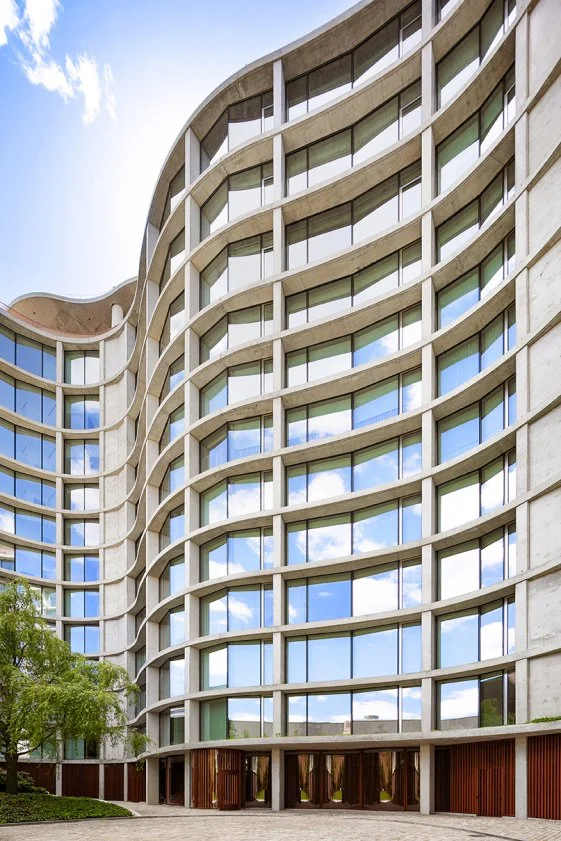
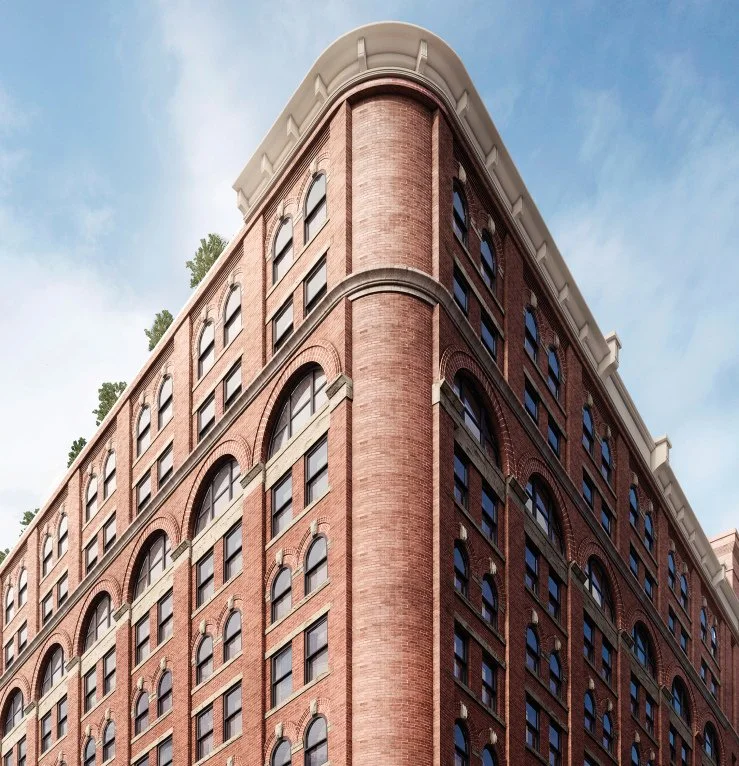
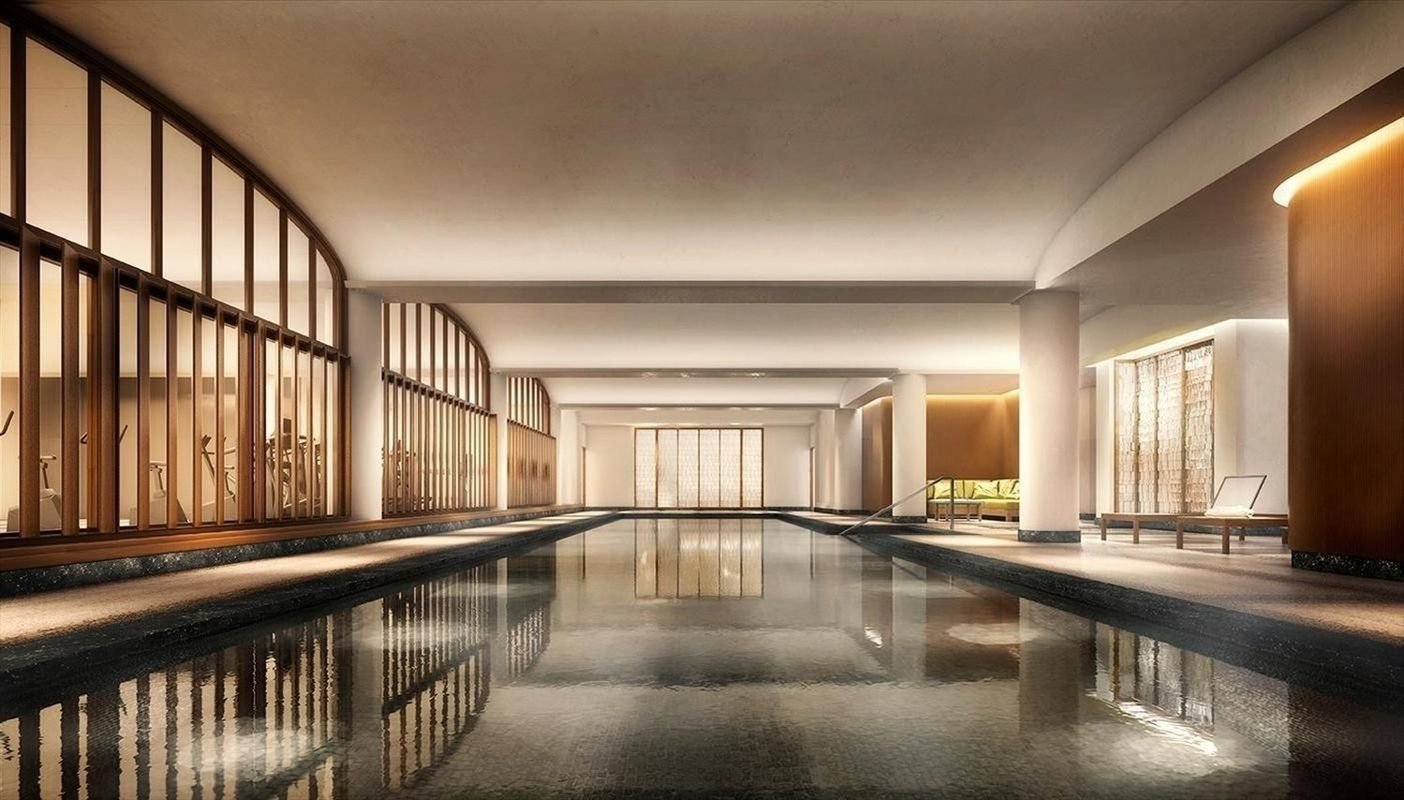
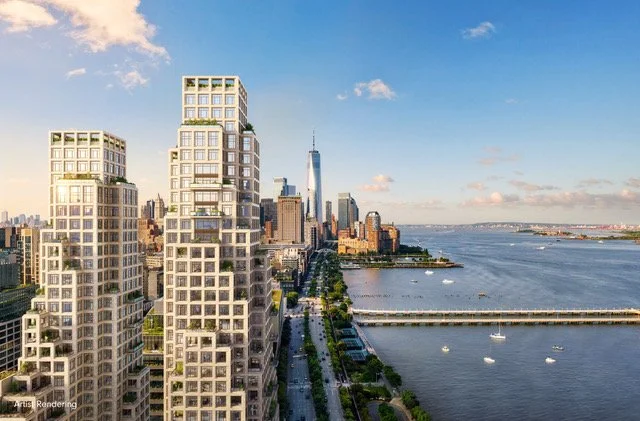
The buildings worth knowing are 160 Leroy Street, Herzog and de Meuron's waterfront condominium with John Pawson interiors; 275 West 10th Street, The Shephard, a landmarked 1896 warehouse conversion with Gachot interiors and oversized lofts; 150 Charles Street, COOKFOX's brick-and-metal building steps from Hudson River Park; 90 Morton Street, a 35-residence 1912 factory conversion; Superior Ink at 400 West 12th Street, Robert A.M. Stern's building on the old factory site; The Greenwich Lane, Rudin's five-building enclave around a private garden lane; and 80 Clarkson Street, the Zeckendorf and Atlas two-tower waterfront development completing in 2026.
Because inventory is thin and several of these buildings are tightly held, a meaningful share of West Village condo trades never appears as a public listing. If you are searching listing sites and finding little, that is the market working as expected, not a gap in your search.
Top West Village Buildings To Buy In
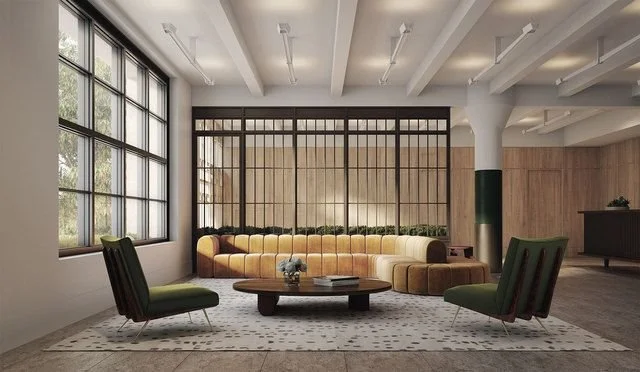
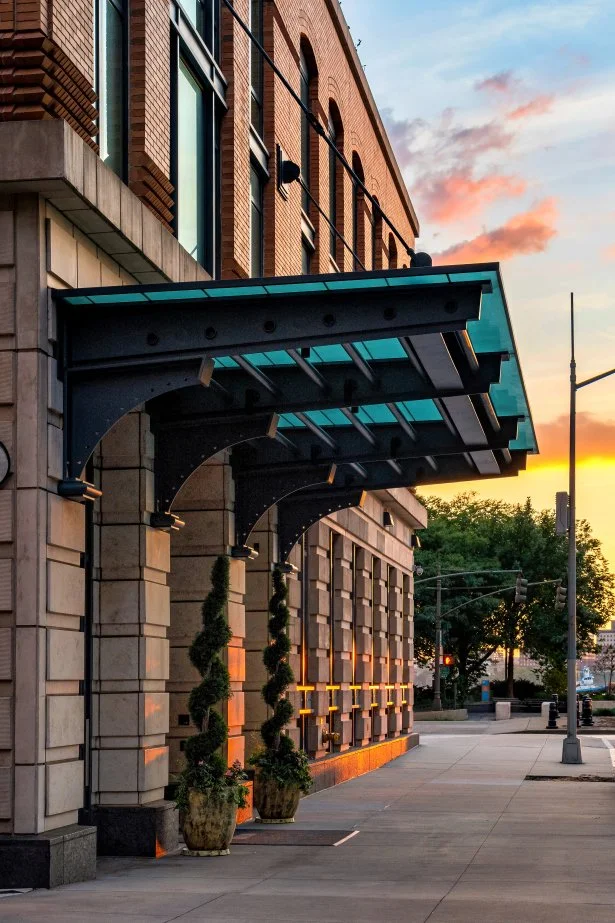
Where the West Village is
The West Village sits on the West Side of Lower Manhattan, south of Chelsea and north of Soho. Its boundaries are loosely defined, and locals argue about them, but the common version runs from the Hudson River on the west to around Seventh Avenue on the east, and from roughly West Houston Street up to West 14th Street. The Meatpacking District sits at its northern edge, and Hudson River Park runs along its western waterfront.
What sets it apart on the map is the street pattern. Much of the West Village predates the 1811 grid that orders the rest of Manhattan, so the streets bend and meet at angles, and West 4th Street crosses West 10th, 11th, and 12th. The result is a neighborhood that feels nothing like the numbered grid uptown: quiet, walkable, and human-scaled.
The character, and why it is protected
Cobblestone stretches, gas-style lamps, and blocks of 19th-century brick rowhouses define the West Village. You will find Federal and Greek Revival townhouses, brownstones, prewar walk-ups, and warehouse-to-loft conversions sitting side by side.
Most of it is protected. The Greenwich Village Historic District, designated by the New York City Landmarks Preservation Commission in 1969, covers more than fifty blocks and tightly limits what can be built or altered. That protection is why the neighborhood still looks the way it does, and it is also the root of its real-estate dynamics.
The housing stock: what you can buy
Buyers are often surprised by how the inventory breaks down:
- Townhouses and brownstones. The signature West Village home. Scarce, expensive, and tightly held.
- Prewar co-ops and walk-ups. A large share of the apartment stock, much of it in smaller buildings.
- Loft conversions. Former industrial buildings, especially toward the west and north.
- Luxury condominiums. The rarest category. Because the district is landmarked and low-rise, very little new construction happens, so full-service, new-development condos are unusual here. That scarcity is what makes the few that exist so significant.
Why inventory is so scarce
Three forces compound:
- Landmark protection caps new development and height across most of the neighborhood.
- Low-rise building stock means far fewer units per block than in a high-rise district.
- Slow turnover. Owners hold West Village homes for decades. People do not buy here to flip; they buy to stay.
Demand far outruns supply, and a meaningful share of what does sell never reaches the public market.
The off-market reality
Because inventory is thin and owners value privacy, a large portion of West Village transactions happen quietly, agent to agent, before anything is listed publicly. For a buyer, that means the home you want may never appear on a listing portal, and access depends on your agent's relationships in the neighborhood. This is the biggest single reason buyers work with a team embedded here. We cover the mechanics in how off-market deals work in NYC.
New-development luxury: The Greenwich Lane
In a neighborhood where new full-service condos almost do not exist, The Greenwich Lane is the exception, and the reason it draws the buyers it does.
Built on the former site of St. Vincent's Hospital and developed by the Rudin family with Global Holdings, it comprises roughly 200 residences across five buildings and a set of townhouses arranged around a central garden. The exteriors were designed by FXFOWLE (now FXCollaborative) and the interiors by Thomas O'Brien of Aero Studios. It offers the full-service, amenitized, new-construction living that is otherwise hard to find in the low-rise Village.
For buyers who want the West Village's location and feel without a prewar walk-up or the work of a townhouse, it is often the answer. Our team has completed a record number of sales there, and we know its layouts, pricing, and resale dynamics in detail.
Co-op, condo, or townhouse here
The West Village skews heavily toward co-ops and townhouses, with condos in the minority. That matters for two kinds of buyer in particular:
- Pied-à-terre and non-resident buyers. Many West Village co-ops restrict non-primary-residence ownership, which pushes second-home buyers toward the neighborhood's condos and townhouses. See condo vs. co-op for a pied-à-terre and our guide for foreign and non-resident buyers.
- Buyers who want full-service living. That usually means a condo like The Greenwich Lane rather than a small prewar co-op.
Who the West Village suits
It rewards buyers who want quiet, history, and a true neighborhood over height and flash. It is not a market for someone in a hurry or fixed on new construction, with the notable exception above. Buyers who do well here tend to be patient, decisive when the right home appears, and well-advised on access.
How to buy in the West Village
Two things matter more here than in most Manhattan neighborhoods:
- Access. With so much trading off-market, your agent's relationships determine what you get to see.
- Readiness. When a coveted home does come available, it moves quickly. Have your financing or proof of funds, your attorney, and your ownership structure sorted in advance so you can act.
FAQ
What are the boundaries of the West Village?
They are loosely defined, but the common version runs from the Hudson River east to about Seventh Avenue, and from roughly West Houston Street north to West 14th Street. Some definitions extend the edges a little. It sits in the southwest of Greenwich Village.
Is West Village real estate mostly co-ops or condos?
Mostly co-ops and townhouses, with condos in the minority. New-development condos are especially rare because the neighborhood is landmarked and low-rise, which is part of why buildings like The Greenwich Lane stand out.
Why is there so little inventory in the West Village?
Landmark protection limits new construction, the building stock is low-rise so there are fewer units to begin with, and owners tend to hold their homes for decades. A significant share of what sells trades off-market, before it is publicly listed.
What is The Greenwich Lane?
It is a luxury condominium in Greenwich Village built on the former St. Vincent's Hospital site by the Rudin family, with roughly 200 residences across five buildings and townhouses around a central garden. It is one of the few full-service, new-development condo offerings in the low-rise West Village area.
Can you buy a pied-à-terre in the West Village?
Yes, but the building matters. Many West Village co-ops restrict non-primary-residence use, so pied-à-terre and non-resident buyers often focus on condos and townhouses. See our guides to condo vs. co-op and to buying as a foreign or non-resident buyer.
Elevated Advisement specializes in the West Village and Greenwich Village, including The Greenwich Lane and the neighborhood's off-market inventory. To start your search, get in touch.
Rudin’s five-building West Village condominium enclave on the former St. Vincent’s site, with a private garden lane. Residences, amenities, and recent sales.