West Chelsea
West Chelsea is where buyers go in Manhattan when they want design. Where Tribeca is defined by space and the West Village by scarcity, West Chelsea is defined by architecture: a stretch of the Hudson waterfront where the world's most celebrated architects have built along an elevated park, next to the largest concentration of contemporary art galleries in the city. If you are looking here, the most useful thing to understand is that West Chelsea trades building by building, and often architect by architect. This guide explains how the market works, from a team active in it.
Where West Chelsea is
West Chelsea is the western edge of Chelsea, running roughly from the mid-teens north into the 20s and 30s, west of Tenth Avenue to the Hudson River. Its spine is the High Line, the elevated rail line turned public park that runs from the Meatpacking District up to Hudson Yards. The northern end meets Hudson Yards; the southern end meets the Meatpacking District. Like most Manhattan neighborhood lines, the boundaries are loosely held.
The streetscape is industrial in origin: low-rise warehouses and former manufacturing buildings, many now converted to galleries, that give the area its scale and its light.
Top West Chelsea Buildings To Buy in
The character: art, the High Line, and architecture
Three things define West Chelsea. First, the art: the blocks roughly between Tenth and Eleventh Avenues in the low 20s hold the densest cluster of contemporary art galleries in New York. Second, the High Line, which turned the neighborhood's old industrial frame into one of the most visited public spaces in the city and reoriented its buildings toward the park. Third, and most relevant to buyers, the architecture. Because the High Line drew attention and the lots allowed new construction, West Chelsea became the place where star architects came to build in Manhattan.
The result is a neighborhood that reads as cultural, design-forward, and contemporary, in contrast to the historic loft districts further downtown.
The housing stock: designed by the world's architects
The defining feature of West Chelsea real estate is design.
- Architect-led new development. West Chelsea has more design-driven new construction than almost anywhere in Manhattan. These are full-service condominiums with the amenities buyers expect at the top of the market.
- Converted warehouse and gallery lofts. The neighborhood's industrial past left loft buildings with high ceilings and large windows, some converted to residences.
- Co-ops. Present, but West Chelsea skews heavily toward condominiums, especially in its newer towers.
If you want a home that is an architectural statement, with modern systems and full amenities, West Chelsea is one of the few places in Manhattan built expressly for it.
Why buyers choose West Chelsea
- Design and architecture. The buildings here are named for their architects as much as their addresses, which is rare in Manhattan.
- The High Line and the waterfront. Direct proximity to the park and Hudson River views are core to the neighborhood's value.
- Culture. The gallery district and the area's arts institutions give West Chelsea a cultural identity few residential neighborhoods have.
- New construction. For buyers who want turnkey, full-service condominium living rather than a prewar conversion, this is one of the deepest such markets in the city.
A building-specific, and architect-specific, market
This is the single most important thing to understand about West Chelsea: value is driven by the building, and often by the architect, not just the block.
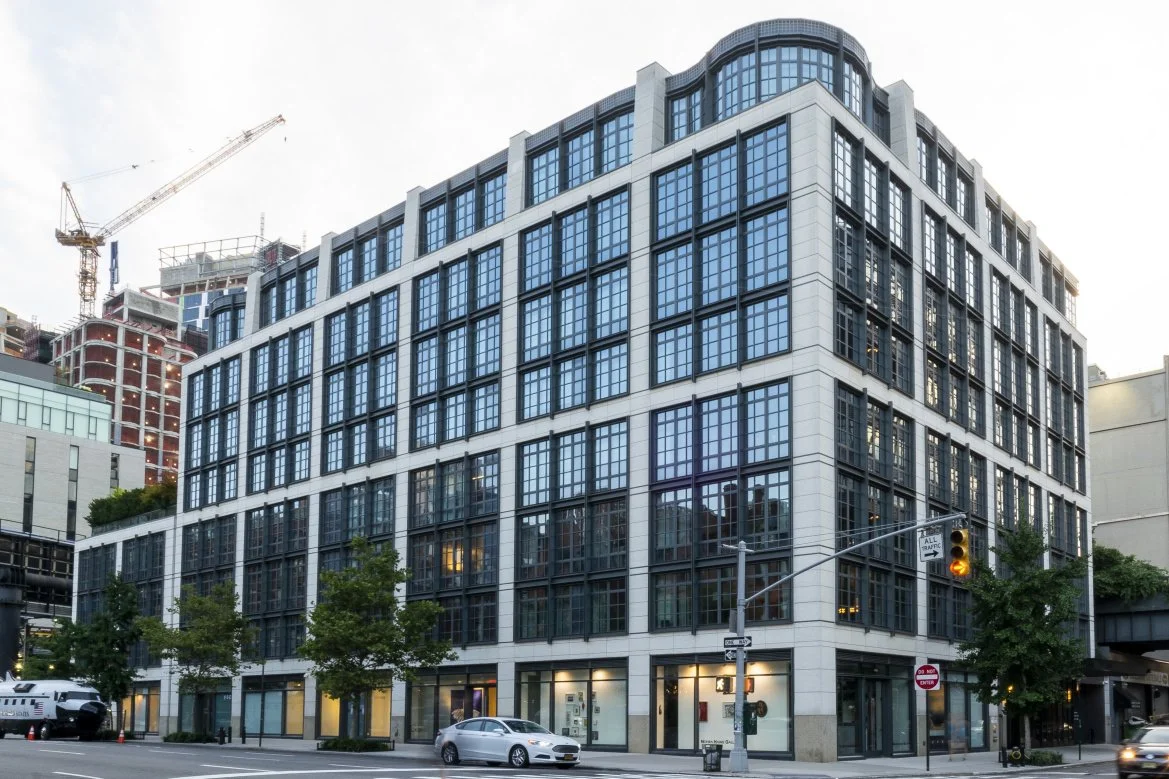
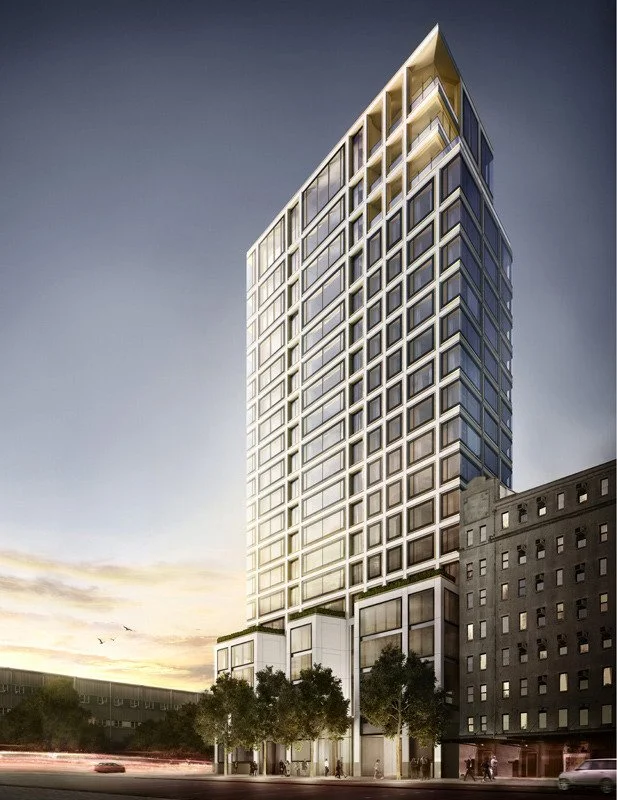
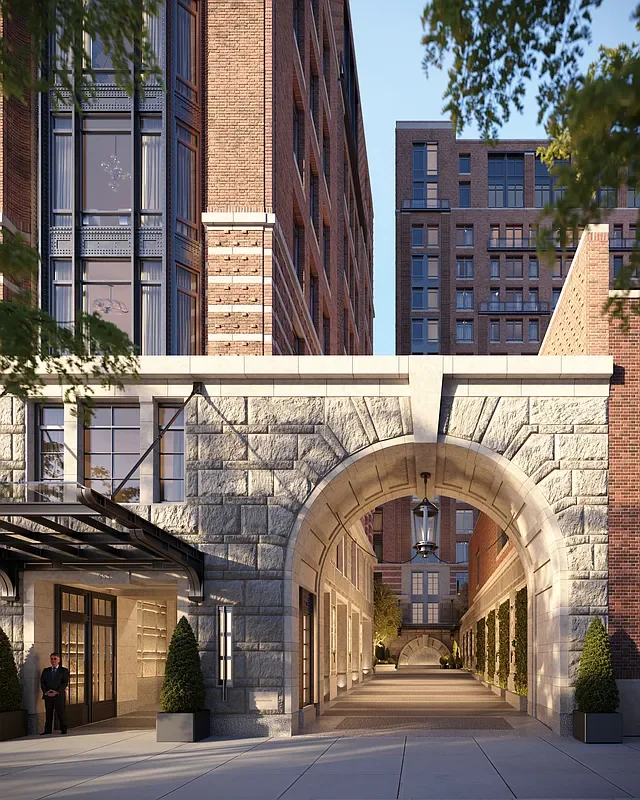
A short walk along the High Line passes work by several of the world's best-known architects, and each building serves a different buyer and prices on its own terms:
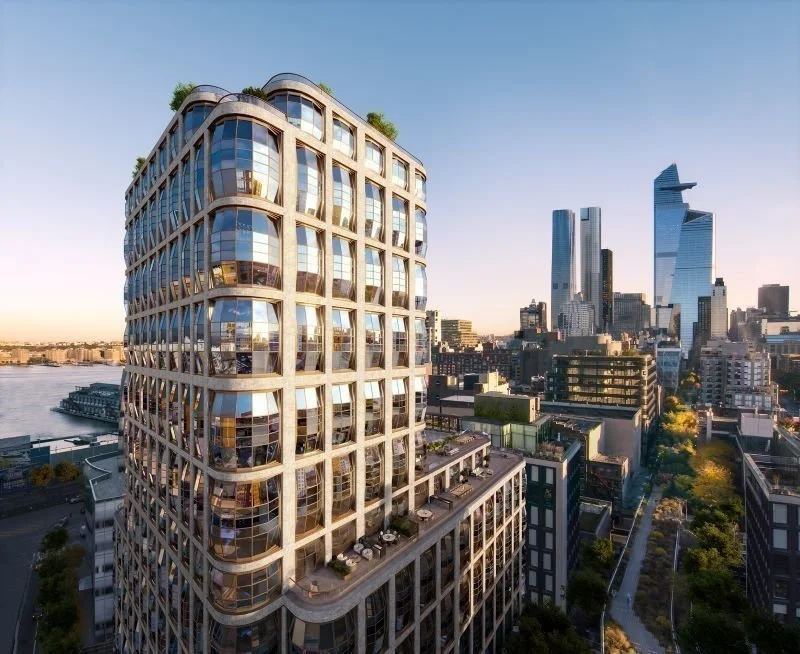
- Lantern House, the two-tower condominium at 515 West 18th Street by Heatherwick Studio, with its bay-window facade straddling the High Line.
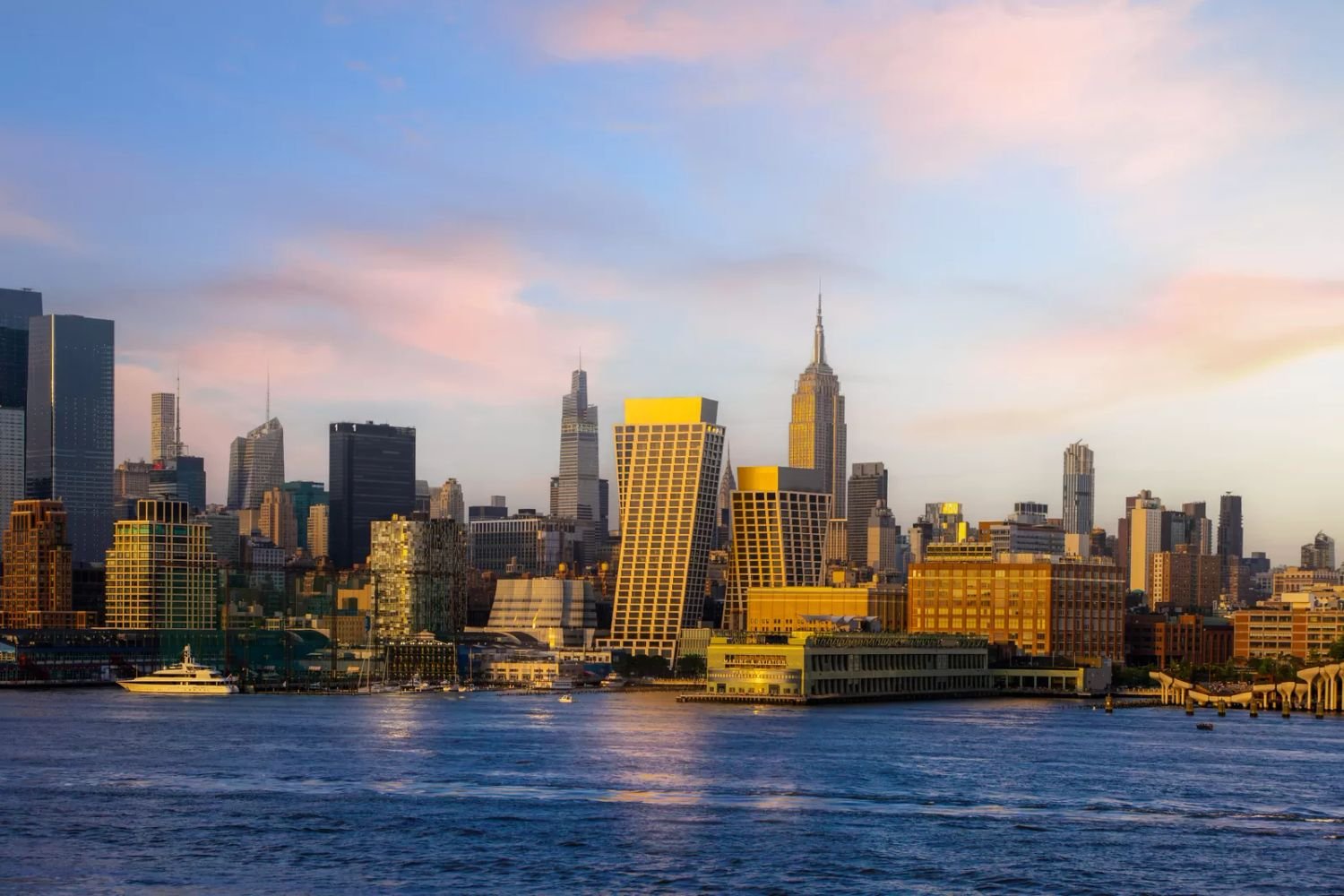
- One High Line at 500 West 18th Street, the pair of twisting towers by Bjarke Ingels Group on the river edge of the park.
- The Cortland at 555 West 22nd Street, the waterfront tower by Robert A.M. Stern Architects with interiors by Olson Kundig.
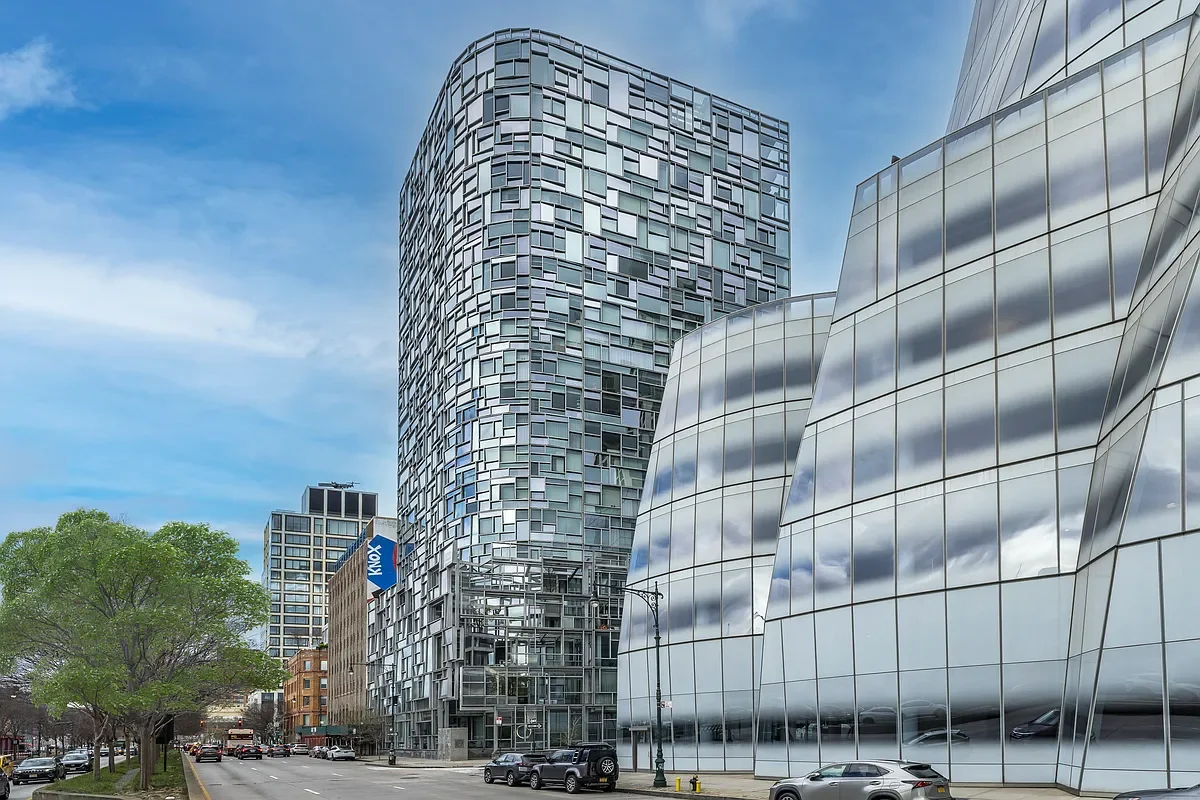
- 100 Eleventh Avenue, Jean Nouvel's faceted glass tower at the corner of 19th Street, one of the early signals of what West Chelsea would become.
Within a single one of these buildings, the line, the floor, the light, and the exposure to the park or the river can swing value dramatically. Neighborhood-wide averages tell you very little here; the building and the apartment tell you almost everything. Knowing those differences in detail is most of the job.
Off-market in West Chelsea
As in the rest of luxury Manhattan, many of West Chelsea's best apartments, especially the high-floor and park- or river-facing homes in its trophy towers, change hands quietly, without a public listing. Access depends on relationships inside the buildings and across the brokerage community. See how off-market deals work in NYC.
Condo, co-op, or loft
Because West Chelsea is condo-heavy, it tends to be friendlier than co-op-dominated neighborhoods for buyers who need flexibility:
- Pied-a-terre and non-resident buyers. Condos rarely impose the primary-residence and entity-ownership restrictions that co-ops do, so West Chelsea suits second-home and international buyers well. See condo vs. co-op for a pied-a-terre and our guide for foreign and non-resident buyers.
- Buyers who want full-service living. The neighborhood's newer condominiums offer the staff and amenities that smaller loft co-ops do not.
How to buy in West Chelsea
- Building knowledge. Because value is building-specific, the right advisor is one who knows the individual towers, their lines, and their quirks, not just the neighborhood.
- Access. With trophy inventory trading off-market, relationships determine what you see.
- Readiness. Have financing or proof of funds, an attorney, and your ownership structure in place so you can move when the right home appears.
FAQ
Where are the boundaries of West Chelsea?
West Chelsea is the western part of Chelsea, running roughly from the mid-teens up into the 20s and 30s, west of Tenth Avenue to the Hudson River. Its spine is the High Line, with the Meatpacking District to the south and Hudson Yards to the north. The boundaries are loosely defined.
Why is West Chelsea known for its architecture?
When the High Line opened and made the area a destination, its available lots drew condominium projects by some of the world's most celebrated architects, including Heatherwick Studio, Bjarke Ingels Group, Robert A.M. Stern Architects, and Jean Nouvel. That concentration of signed, design-driven buildings is unusual for Manhattan.
Is West Chelsea mostly condos or co-ops?
West Chelsea skews heavily toward condominiums, especially in its newer towers, with co-ops in the minority. That condo-heavy mix is one reason it appeals to buyers who want flexibility, including non-resident and pied-a-terre buyers.
What buildings is West Chelsea known for?
Among others, Lantern House by Heatherwick Studio, One High Line by Bjarke Ingels Group, The Cortland by Robert A.M. Stern Architects, and 100 Eleventh Avenue by Jean Nouvel. Because the market is building-specific, prices and character vary widely from one to the next.
Can you buy a pied-a-terre in West Chelsea?
Yes, and often more easily than in co-op-dominated neighborhoods. Because West Chelsea is condo-heavy, buyers face fewer primary-residence and entity-ownership restrictions. See our guides to condo vs. co-op and to buying as a foreign or non-resident buyer.
Elevated Advisement represents buyers across West Chelsea's condo and loft market, including its off-market and trophy inventory. To start your search, get in touch.