
NYC Co-op Buyers: The New Application Timeline Law Starting July 28, 2026
Starting July 28, 2026, NYC co-op boards face hard deadlines: 15 days to acknowledge a purchase application, 45 days to decide. The buyer side of the most consequential change to NYC co-op buying in a generation.
NYC Co-op Boards and the Pied-à-Terre Tax: What Boards Should Be Asking
If you serve on a NYC co-op board, the pied-à-terre tax is the building’s problem, not just the shareholder’s. The mechanics are not fully clarified, and the worst-case exposure is at the corporation level. Here is what boards should be discussing with counsel now.
How to Reduce NYC Buyer Closing Costs in 2026
NYC buyer closing costs run 2 to 5 percent of the purchase price. The biggest lines (mansion tax, mortgage recording tax, title insurance) are not reducible directly, but they are highly sensitive to deal structure. Six tactics that consistently save serious money.
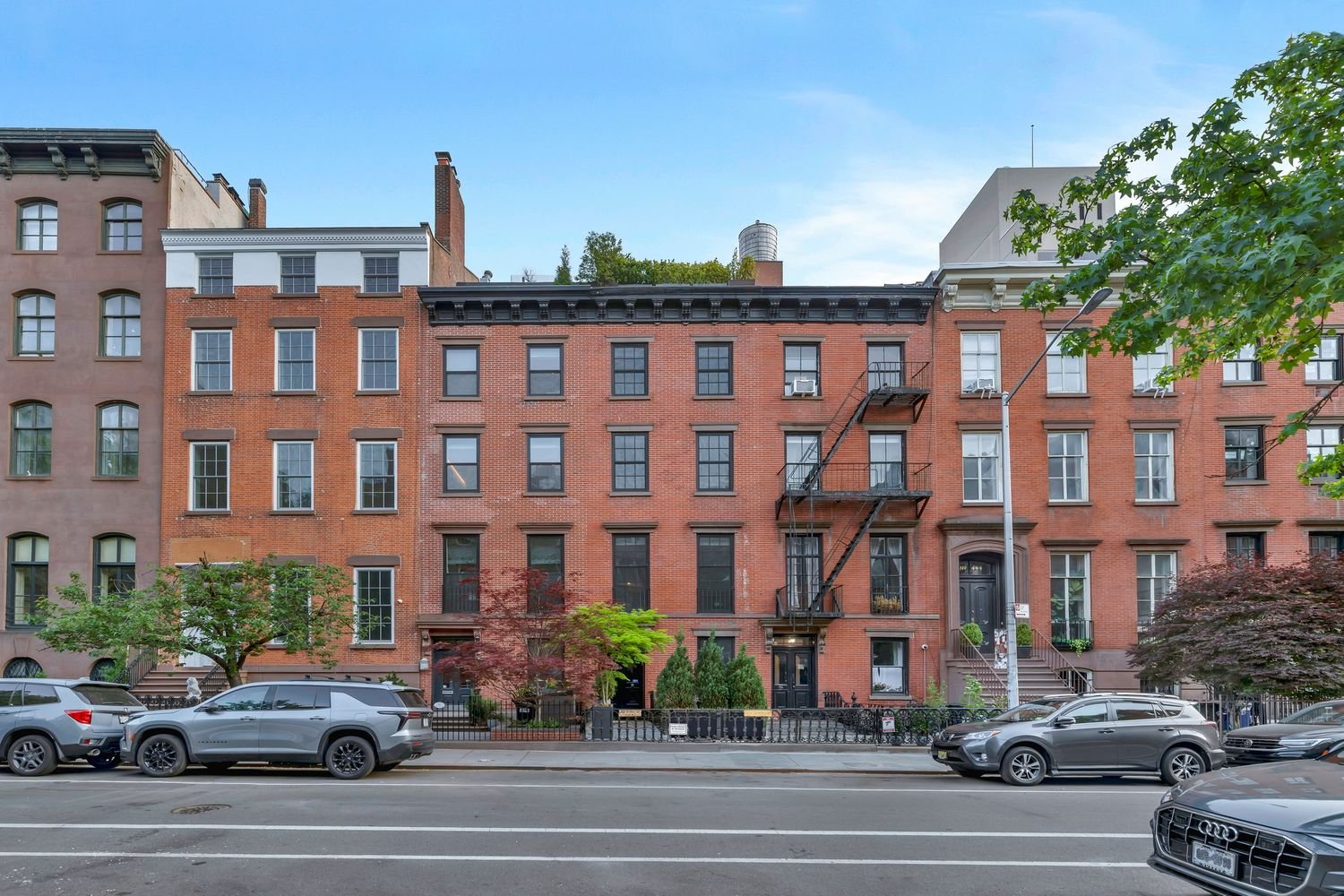
Buying a Manhattan Townhouse: A 2026 Buyer’s Guide
A Manhattan townhouse is a different transaction than a condo or co-op: no board, full building ownership, a longer diligence list, and a market that frequently trades off-list. What serious buyers should know before making an offer.

NYC Mansion Tax 2026: Rates, Brackets, and Who Pays
The NYC mansion tax runs from 1% on a $1M condo to 3.9% on a $25M+ townhouse, applied as a cliff to the entire purchase price. The buyer pays it. Here is how the brackets work, where the cliff hurts most, and how to plan around it.

Condo vs. Co-op in NYC: Which Is Right for a Pied-à-Terre?
For a NYC pied-à-terre, condo vs. co-op is usually decided before you tour a single apartment. Most co-op boards restrict part-time, non-primary-residence use. Here is how the two compare.

Off-Market Real Estate in NYC: How It Works
What "off-market" means in NYC, why sellers and buyers use it, and how to get access, from a team that has closed over $500 million off-market.