At a glance
Billionaires’ Row recorded 150 condo and co-op sales in the 12 months to September 2026, at a median price of $2,325,000, according to New York City Department of Finance records.
- Median price
- $2,325,000, up 8% on the year before
- Condo or co-op
- Condos $2,437,500, co-ops $1,700,000 (medians)
- Mix of sales
- 73% condo, 27% co-op
- Sales, 12 months
- 150, down 16% on the year before
- Most-traded building
- 123 West 56th Street, 44 sales in two years
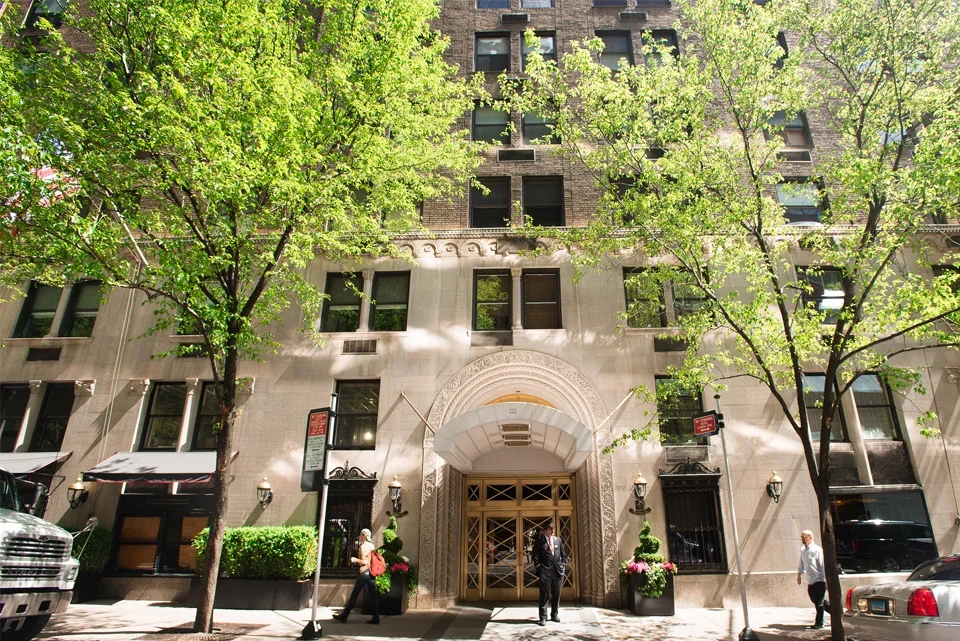
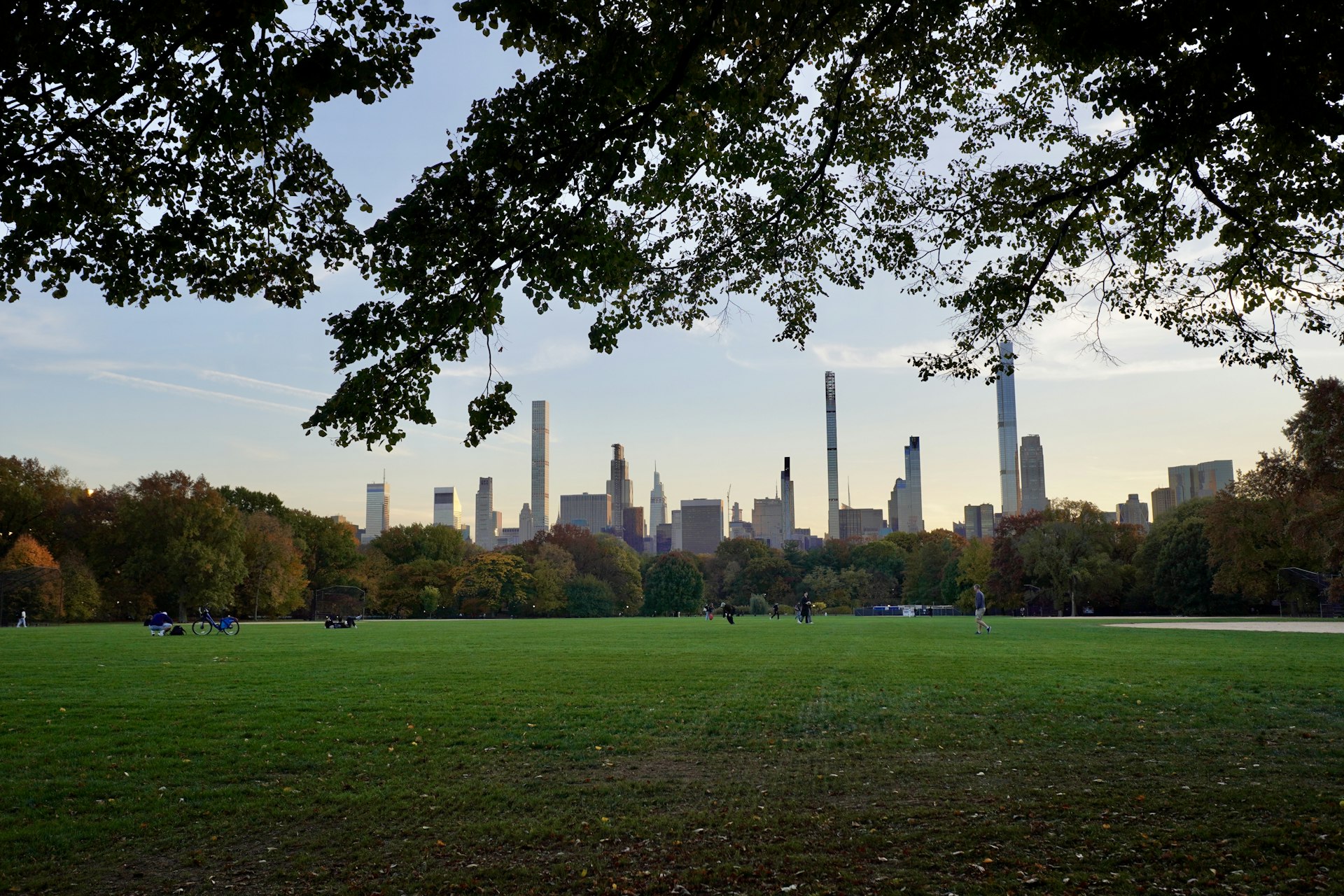
Billionaires' Row is one of the most concentrated stretches of ultra-luxury housing in New York. Along West 57th Street and Central Park South, a set of slender supertall towers has risen beside landmarked prewar buildings, creating a corridor defined by height, Central Park views, and a level of building service closer to a private hotel than a typical apartment house. It is one of the few places where this much new residential construction sits this close to a major urban park.
For buyers, the appeal is straightforward to describe and harder to evaluate. The views, the services, and the address are the draw, but value here is set floor by floor and exposure by exposure. Two apartments in the same tower can trade very differently depending on how high they sit, which direction they face, and whether the park view is direct, partial, or at risk from future development. Resale behavior, carrying costs, and the reputation of each building all matter. This guide explains how the market works, from a team active in it.
Billionaires’ Row sales and prices
City records show 150 apartment sales in Billionaires’ Row in the 12 months to September 2026, at a median price of $2,325,000. The number of sales was down 16% on the year before, and the median price up 8%. Condominiums sold at a median of $2,437,500 and co-ops at $1,700,000.
- 150
- Sales, 12 months
- $2.33M
- Median price
- $2.44M
- Condo median
- $1.7M
- Co-op median
| Year | Sales | Median price |
|---|---|---|
| 2026 to September | 96 | $2,287,500 |
| 2025 | 191 | $2,250,000 |
| 2024 | 199 | $1,885,000 |
| 2023 | 189 | $2,300,000 |
| 2022 | 200 | $2,247,500 |
| 2021 | 244 | $2,487,500 |
Source: NYC Department of Finance recorded sales for the blocks along Central Park South and West 57th and 58th Streets from Fifth to Eighth Avenue, with 432 Park Avenue. Condominium and co-op apartment sales only; whole townhouses are not included. Updated weekly as the city publishes new records.
The most active buildings in Billionaires’ Row
Ranked by recorded apartment sales over the latest 24 months on record.
- 1
 123 West 56th StreetCondominium44 sales$2.1M median
- 2
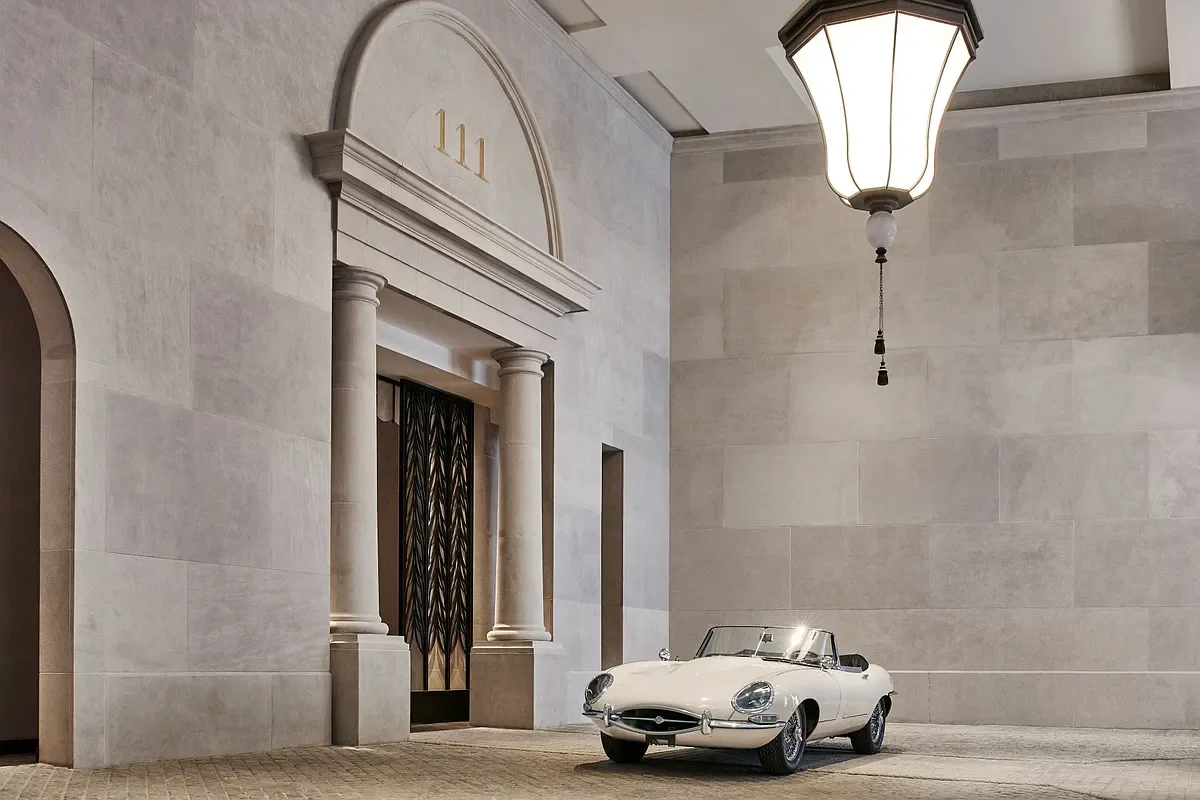 111 West 57th StreetCondominium25 sales$18.8M median
- 3
 200 Central Park SouthCo-op25 sales$1.47M median
- 4
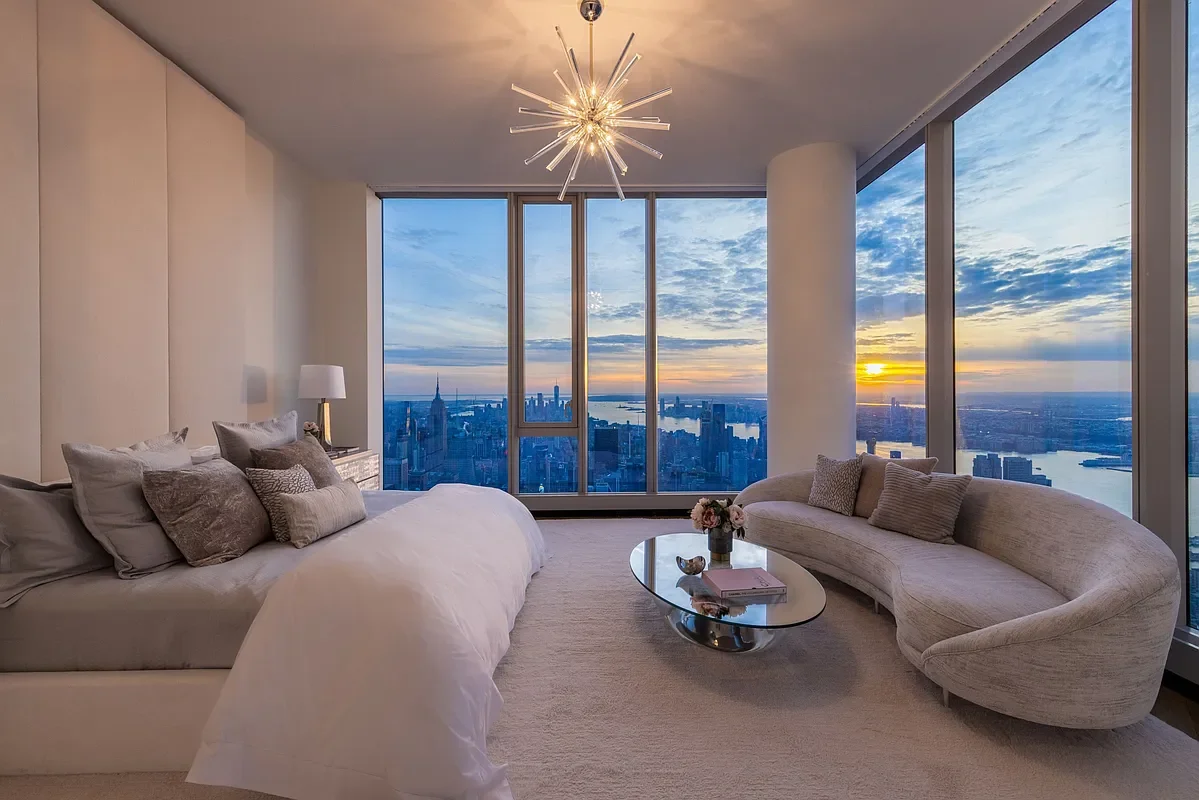 Central Park TowerCondominium21 sales$15.1M median
- 5
 Tower 58Condominium18 sales$1.21M median
- 6
 Essex HouseCondominium17 sales$3.2M median
- 7
 Hampshire HouseCo-op17 sales$1.3M median
- 8
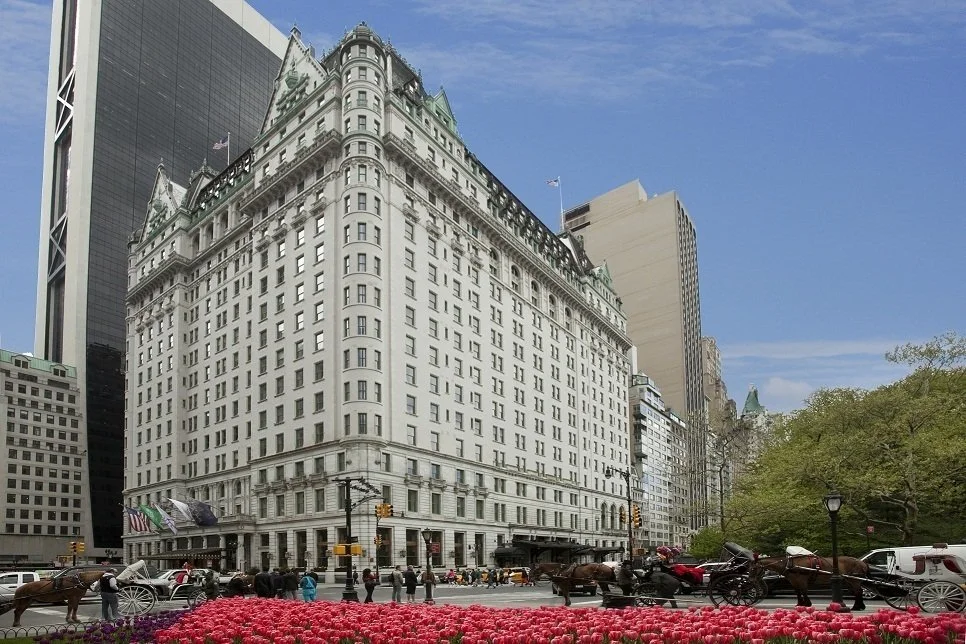 The PlazaCondominium16 sales$5.12M median
- 9
 146 West 57th StreetCondominium16 sales$2.57M median
- 10
 100 West 58th StreetCondominium15 sales$1.25M median
- 11
 Trump ParcCondominium14 sales$1.6M median
- 12
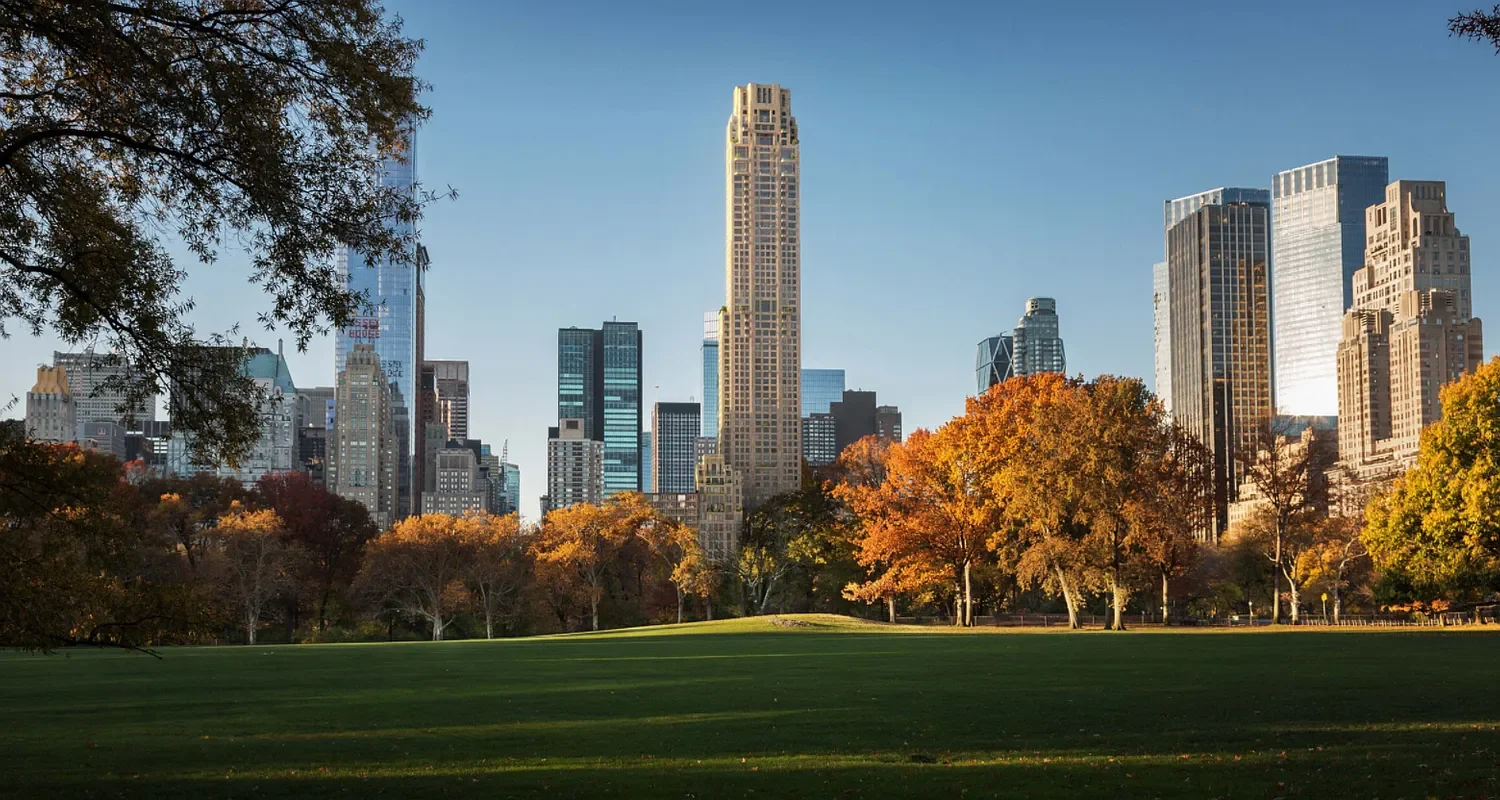 220 Central Park SouthCondominium12 sales$16.7M median
More building pages in Billionaires’ Row: One57.
Where Billionaires' Row is
Billionaires' Row is a nickname, not an official neighborhood, and its edges are loosely held. In common use it describes the supertall condominium corridor along West 57th Street, running roughly from Fifth Avenue to Eighth Avenue, together with Central Park South, the stretch of West 59th Street that faces the park. At its eastern end, 432 Park Avenue rises two avenues east of Fifth, on Park Avenue at 57th Street, and is usually counted as part of the corridor.
Columbus Circle sits at the western end, Grand Army Plaza and the Plaza Hotel at the eastern end of Central Park South, and Carnegie Hall at 57th Street and Seventh Avenue. To the south and west, the blocks shade into Midtown West, which has its own neighborhood guide.
Billionaires' Row's character: supertall towers and Central Park
Two things define the corridor. First, the park. Central Park's southern edge is the single most important feature of the area, and almost everything about value here comes back to how much of it an apartment can see. Central Park South buildings face it directly. The 57th Street towers rise high enough to look over the buildings in front of them, which is why height carries so much weight in this market.
Second, the towers themselves. In recent years, a group of very tall, very slender residential buildings has reshaped the skyline here. The best known are One57, 432 Park Avenue, 220 Central Park South, 111 West 57th Street (also known as Steinway Tower, which incorporates the landmarked Steinway Hall at its base), and Central Park Tower. They sit alongside prewar and postwar buildings on Central Park South, older hotels, and the cultural institutions of West 57th Street, so the streetscape mixes the newest construction in the city with some of its most established addresses.
The result is a corridor that reads as both international and deeply Manhattan: glass and limestone towers above, Carnegie Hall, the park, and the shopping of Fifth Avenue and 57th Street at street level.
Billionaires' Row housing stock: supertall condos and Central Park South
The housing here falls into a few distinct categories.
- Supertall new development condominiums. The defining product: full-floor and half-floor residences high above the park, with floor-to-ceiling windows, private elevator landings in many cases, and extensive amenity floors.
- Prewar Central Park South buildings. Classic prewar apartment houses facing the park, including both co-ops and condominiums, with the ceilings, proportions, and detail of the era and direct park frontage.
- Postwar Central Park South buildings. Postwar doorman buildings along the park, often with larger windows and terraces, offering park views at a lower height than the towers.
- Hotel residences. Residences connected to or located above hotels, where owners can draw on hotel services such as housekeeping, dining, and concierge.
If you want a condominium with sweeping park views and full-service living, this is one of the deepest concentrations of that product in Manhattan.
Why buyers choose Billionaires' Row
- Central Park views. Direct, elevated views over the park are the corridor's signature, and the main reason the towers exist.
- Light and height. High-floor residences in the towers often have exposures in several directions, with light and views across the park, the rivers, and the skyline.
- Service. Many buildings offer hotel-style services: attended lobbies, concierge, housekeeping options, private dining, and wellness floors.
- Amenities. Pools, fitness centers, screening rooms, private lounges, and other shared spaces are common in the new towers.
- Culture and shopping. Carnegie Hall, Lincoln Center a short walk north of Columbus Circle, and the shops of Fifth Avenue and 57th Street are all close at hand.
- Location and transit. The corridor sits between Midtown and the park, with several subway lines within a few blocks, including the stations at Columbus Circle and along 57th Street.
Billionaires' Row is a condominium market, where the building and the view matter
This is the most important thing to understand about the corridor: it is condominium-led, and within each condominium, value depends on the specific residence.
Most of the inventory in the towers is condominium, sold first by the developer and then on the resale market. That means fewer approval hurdles than in a co-op, and more flexibility on financing, entity ownership, and use. It also means the buyer has to do more of the evaluation work. Common charges and real estate taxes can be significant and vary by building. The quality of the original construction, the strength of the building's management, and how the building has performed since opening all shape resale value. Within a single tower, height, exposure, and the permanence of the view can swing value sharply. Neighborhood averages tell you very little here. The building, the line, and the floor tell you almost everything.
Pied-a-terre ownership is common in this product type. Buyers should know that New York City's pied-a-terre tax applies to qualifying non-primary residences, so the way a residence will be used is worth reviewing with an attorney before purchase. See the Knowledge Center for our tax and buying guides.
Off-market on Billionaires' Row
As across prime Manhattan, many of the most significant residences here change hands quietly, without a public listing. That is especially true at the very top of the market, where sellers often value discretion and some new development inventory is offered privately. Access depends on relationships with owners, developers, and the brokerage community. See how off-market deals work in NYC.
Condo, co-op, or new development on Billionaires' Row
The choice here is less about ownership structure and more about which kind of building fits:
- New development buyers. Buying from a sponsor means reviewing the offering plan, closing costs, the construction timeline if applicable, and the building's budget. See condo vs. co-op for a pied-a-terre.
- Condo resale buyers. Resales in established towers and Central Park South condominiums offer a building with a track record, and sometimes a better line than what remains from the sponsor.
- Co-op buyers. Some prewar and postwar Central Park South buildings are co-operatives, with board approval and building-specific rules that often restrict pied-a-terre use and entity ownership.
- Pied-a-terre and non-resident buyers. Condominiums are usually the clearest path, since they generally allow entity ownership and non-primary use. See our guide for foreign and non-resident buyers.
How to buy on Billionaires' Row
- Building knowledge. Because value is building-specific, the right advisor knows each tower's construction, management, carrying costs, and resale history, not just the corridor.
- View analysis. Understand what you are looking at, what could block it, and how the same view would price on a higher or lower floor.
- Access. With many top residences trading quietly, relationships determine what you see.
- Readiness. Have proof of funds, an attorney, and your ownership structure in place, including any entity, and understand the tax implications of how you plan to use the residence, so you can move when the right home appears.
Billionaires' Row FAQ
Where is Billionaires' Row?
Billionaires' Row is the supertall condominium corridor along West 57th Street, roughly from Fifth Avenue to Eighth Avenue, together with Central Park South facing the park. 432 Park Avenue, at the corridor's eastern end, is usually included. It is a nickname rather than an official neighborhood, so the edges are loosely held.
Which buildings are on Billionaires' Row?
The best-known towers are Central Park Tower, 111 West 57th Street (Steinway Tower), One57, 220 Central Park South, and 432 Park Avenue. Central Park South also includes prewar and postwar buildings facing the park.
Is Billionaires' Row mostly condos or co-ops?
The corridor is condominium-led, especially in the supertall towers. Some prewar and postwar buildings on Central Park South are co-operatives, but the new construction is overwhelmingly condominium.
What matters most for value on Billionaires' Row?
The specific residence. Height, exposure, the directness and permanence of the park view, the building's carrying costs, and its management and resale record all shape value far more than any neighborhood figure.
Can you buy a pied-a-terre on Billionaires' Row?
Yes. Pied-a-terre ownership is common in this product type, and condominiums generally allow non-primary use and entity ownership. New York City's pied-a-terre tax applies to qualifying non-primary residences, so review how you plan to use the home with an attorney. See our guides to condo vs. co-op and to buying as a foreign or non-resident buyer.
Elevated Advisement represents buyers across Billionaires' Row, from supertall new development to Central Park South resales, including off-market inventory. To start your search, get in touch.
Want to chat about Billionaires’ Row?
Request a confidential valuation of your residence from Zeve Salman.
Request received
Zeve Salman will be in touch personally with your valuation.
or text Zeve: 917-607-1331