At a glance
Chelsea recorded 492 condo and co-op sales in the 12 months to September 2026, at a median price of $1,280,000, according to New York City Department of Finance records.
- Median price
- $1,280,000, up 30% on the year before
- Condo or co-op
- Condos $1,950,000, co-ops $850,000 (medians)
- Mix of sales
- 43% condo, 57% co-op
- Sales, 12 months
- 492, down 6% on the year before
- Most-traded building
- London Terrace Towers, 57 sales in two years
Chelsea is one of the most residential neighborhoods in Manhattan below 34th Street, and one of the most varied. On a single walk you can pass a row of nineteenth-century brownstones, a full-block prewar apartment complex, a postwar co-op with a doorman and a garage, and a new boutique condominium on an avenue corner. The side streets are lined with trees and stoops, the avenues are busy with restaurants and shops, and the whole neighborhood sits within easy reach of the Hudson River, the High Line, Midtown, and the Village.
For buyers, that variety is both the appeal and the challenge. Chelsea is not a single market but several: a townhouse market on the historic side streets, a deep co-op market in prewar and postwar buildings, and a smaller condo market concentrated on and near the avenues. Two apartments a block apart can trade on entirely different terms depending on the building type, the board, the exposure, and whether the block is a quiet side street or an avenue. Understanding which Chelsea you are buying in is most of the work. This guide explains how the market works, from a team active in it.
Chelsea sales and prices
City records show 492 apartment sales in Chelsea in the 12 months to September 2026, at a median price of $1,280,000. The number of sales was down 6% on the year before, and the median price up 30%. Condominiums sold at a median of $1,950,000 and co-ops at $850,000.
- 492
- Sales, 12 months
- $1.28M
- Median price
- $1.95M
- Condo median
- $850K
- Co-op median
| Year | Sales | Median price |
|---|---|---|
| 2026 to September | 381 | $1,295,000 |
| 2025 | 521 | $1,025,000 |
| 2024 | 463 | $1,050,000 |
| 2023 | 502 | $1,058,980 |
| 2022 | 712 | $1,080,000 |
| 2021 | 673 | $1,130,000 |
Source: NYC Department of Finance recorded sales for the city's Chelsea sales area, less the blocks in our West Chelsea and Hudson Yards guides. Condominium and co-op apartment sales only; whole townhouses are not included. Updated weekly as the city publishes new records.
The most active buildings in Chelsea
Ranked by recorded apartment sales over the latest 24 months on record.
- 1
 London Terrace TowersCo-op57 sales$895K median
- 2
 Chelsea MercantileCondominium38 sales$2.45M median
- 3
 280 Ninth AvenueCo-op35 sales$155K median
- 4
 428 West 19th StreetCondominium23 sales$1.8M median
- 5
 The VermeerCo-op23 sales$975K median
- 6351 West 24th StreetCo-op20 sales$147K median
- 7450 West 17th StreetCondominium17 sales$1.7M median
- 8101 West 24th StreetCondominium16 sales$2.05M median
- 9360 West 22nd StreetCo-op16 sales$928K median
- 10300 West 23rd StreetCo-op16 sales$673K median
- 11251 West 14th StreetCondominium15 sales$2.84M median
- 12201 West 21st StreetCo-op15 sales$565K median
Where Chelsea is
Chelsea runs roughly from West 14th Street to West 30th Street, from about Sixth Avenue west to Tenth Avenue. The Meatpacking District and the West Village sit to the south, the Flatiron District to the east, and Hudson Yards and the area around Penn Station to the north. Like most Manhattan neighborhood lines, the edges are loosely held, especially near Sixth Avenue.
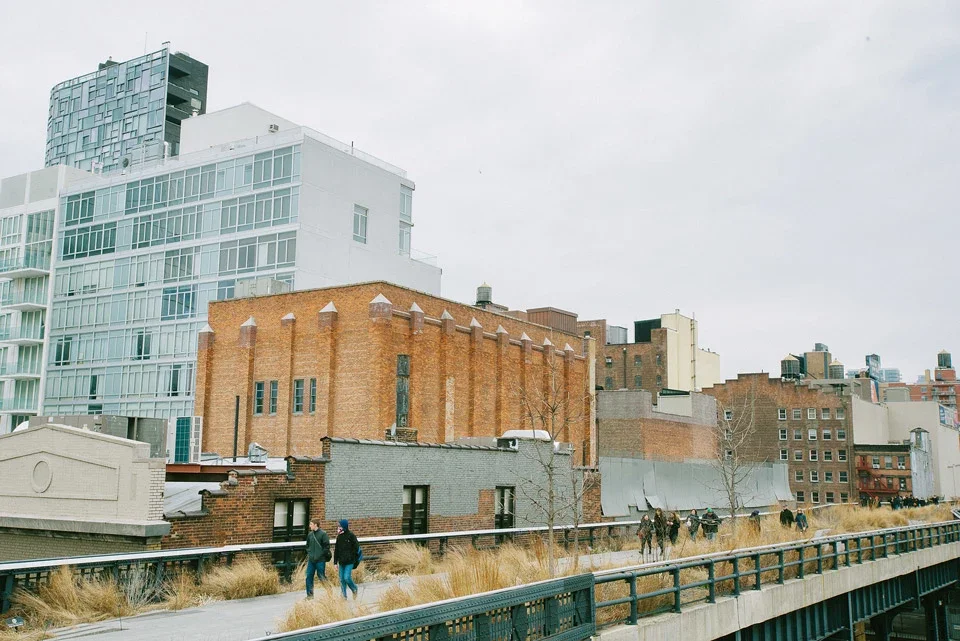
West of Tenth Avenue is West Chelsea, the gallery district along the High Line, where most of the neighborhood's new glass condominiums have been built. It is a distinct market with its own guide: see our West Chelsea buyer's guide. This guide covers the older, more residential Chelsea east of it.
Chelsea's character: side streets, stoops, and avenues
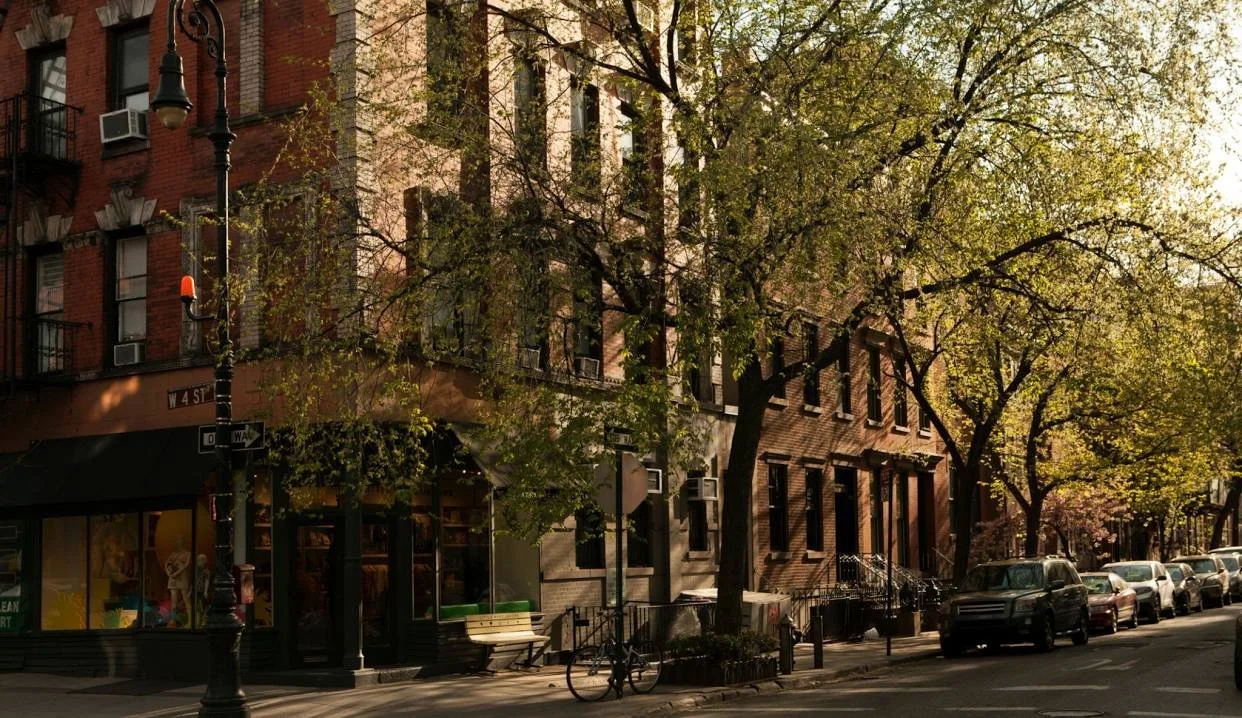
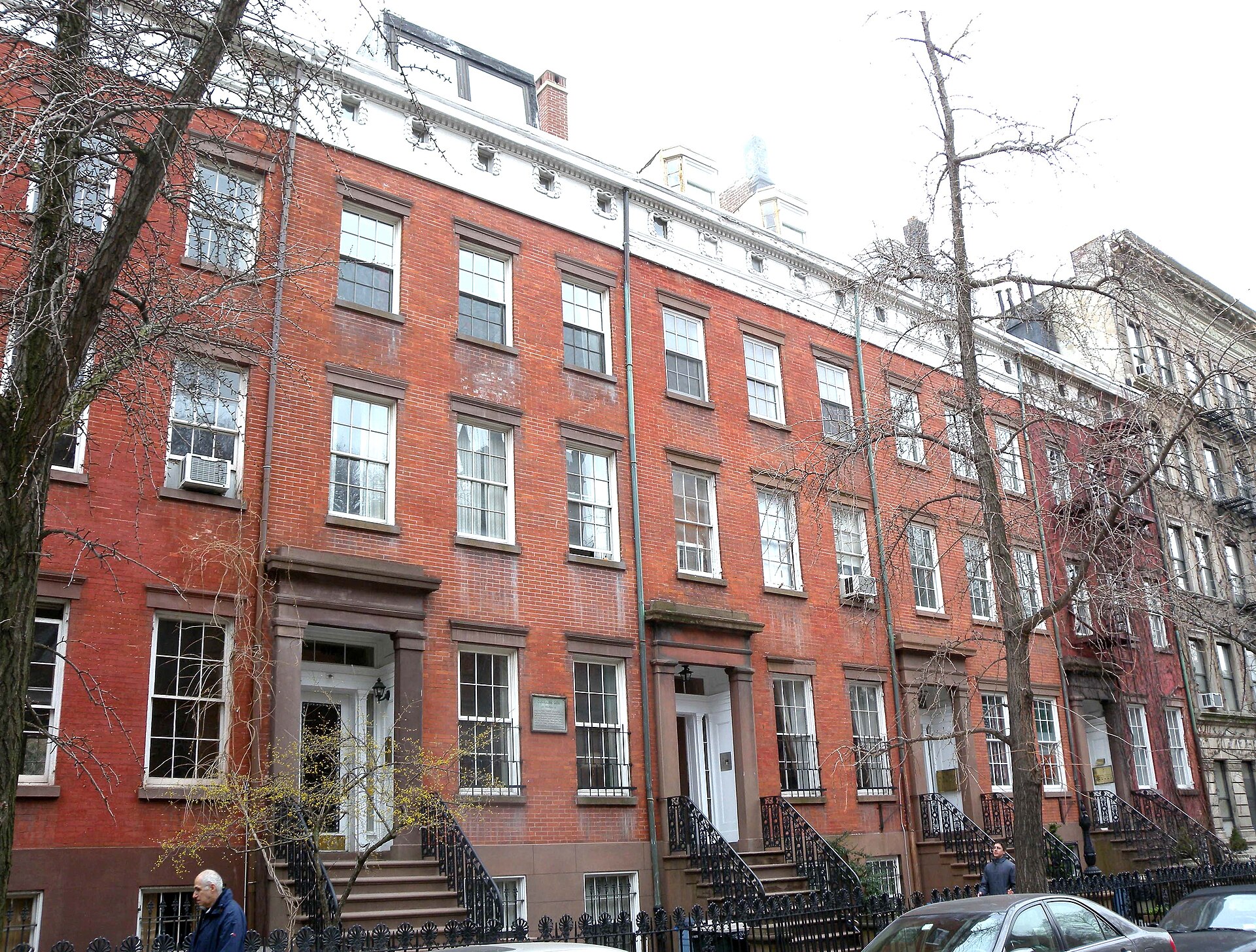
Two textures define Chelsea. The first is the side street. Through the West 20s, especially between Eighth and Tenth Avenues, the blocks are lined with Greek Revival and Italianate rowhouses, brownstones, and modest brick walk-ups, many with front gardens, iron railings, and stoops. Much of this fabric is protected within the Chelsea Historic District, which keeps the scale low and the streetscape intact.
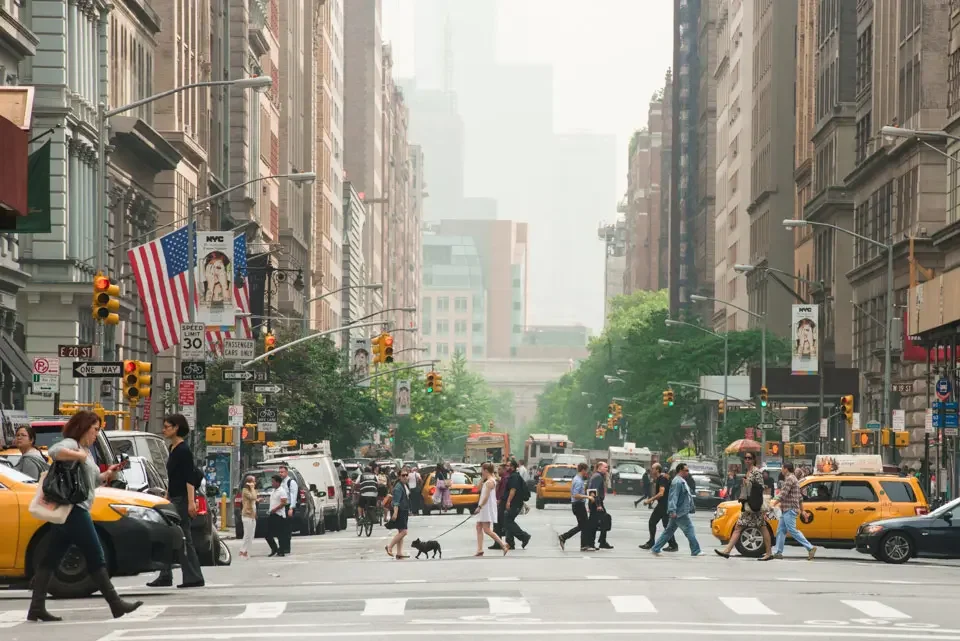
The second is the avenue. Eighth and Ninth Avenues carry the neighborhood's daily life: restaurants, cafes, grocers, gyms, and the Joyce Theater on Eighth Avenue. Seventh and Sixth Avenues are broader and more commercial, and along Sixth Avenue the large former department store buildings of the Ladies' Mile Historic District give the eastern edge a grander, more architectural feel. The result is a neighborhood that feels lived-in and connected, with real quiet a few steps off the avenue.
Chelsea housing stock: townhouses, prewar co-ops, and postwar buildings
Chelsea has one of the broadest mixes of building types downtown.
- Townhouses and rowhouses. The historic side streets hold nineteenth-century brownstones and brick rowhouses, some still single-residence and many divided into apartments or small co-ops. Whole-house opportunities exist but are limited.
- Prewar co-operatives. Elevator buildings and walk-ups from the early twentieth century, with the ceiling heights, layouts, and detail that define the category. London Terrace, the prewar complex that fills the block between West 23rd and West 24th Streets from Ninth to Tenth Avenue, is the best-known example.
- Postwar co-operatives. Larger doorman buildings from the mid-twentieth century, often with more regular layouts, bigger windows, and full-service staff. They make up a substantial share of the neighborhood's apartment inventory.
- Penn South. The large limited-equity cooperative between West 23rd and West 29th Streets, from Eighth to Ninth Avenue. It operates under its own rules and does not trade on the open market the way conventional co-ops do, so it sits outside most buyers' searches.
- Condominiums. Boutique new developments and conversions, mostly on or near the avenues. They are fewer here than in West Chelsea, which makes the condos that do exist on these blocks relatively scarce.
- Lofts. Converted commercial buildings, particularly toward Sixth and Seventh Avenues and in the upper 20s, with open plans and large windows.
If you want a prewar or townhouse home on a tree-lined street, with the conveniences of a busy neighborhood close at hand, Chelsea is one of the strongest markets in Manhattan for it.
Why buyers choose Chelsea
- Historic side streets. The rowhouse blocks of the Chelsea Historic District offer low-rise scale, mature trees, and nineteenth-century architecture rarely found this close to Midtown.
- Range of building types. Townhouses, prewar co-ops, postwar doorman buildings, lofts, and condos all exist within a few blocks of each other, so buyers can choose the structure that fits.
- The river and the High Line. Hudson River Park and the High Line are a short walk west, with Chelsea Piers and the waterfront beyond.
- Transit. The neighborhood is served by the A, C, and E on Eighth Avenue, the 1 on Seventh Avenue, the F and M and the PATH on Sixth Avenue, and the L along 14th Street, with Penn Station just to the north.
- Daily life on the avenues. Restaurants, markets, theaters, and services are close at hand, with Chelsea Market at the southwest corner and Union Square and the Flatiron District to the east.
- Light and exposure. Low-rise side streets leave many upper-floor apartments with open views and light.
Chelsea is a co-op market with a townhouse core
The most important thing to understand about Chelsea is that most of its apartments are co-operatives. That means a board approval process, financial requirements, and rules on subletting, pied-a-terre use, and financing that vary from building to building. A prewar co-op on a side street and a postwar co-op on an avenue can have very different boards, monthly charges, and flexibility, even when the apartments look similar in a listing.
Value is also highly specific to the block and the line. Side-street addresses tend to command a premium for quiet and light. Within a building, the floor, the exposure, the layout, and the condition swing value considerably, and in walk-ups and smaller co-ops the building's finances and planned work matter as much as the apartment. Neighborhood-wide averages tell you little here. The building, the board, and the specific apartment tell you almost everything.
Off-market in Chelsea
As across prime Manhattan, some of Chelsea's most desirable homes, especially the townhouses on the historic blocks and the best lines in well-run co-ops, change hands quietly, without a public listing. Owners in small buildings often prefer discretion, and access depends on relationships with owners, managing agents, and the brokerage community. See how off-market deals work in NYC.
Condo, co-op, or townhouse in Chelsea
Because Chelsea mixes every structure, the choice of ownership type shapes the search more than in most neighborhoods:
- Co-op buyers. Most of the inventory is co-operative, in both prewar and postwar buildings, which means board approval and building-specific rules. Buyers who need flexibility on financing or use should read those rules carefully. See condo vs. co-op for a pied-a-terre.
- Pied-a-terre and non-resident buyers. Many co-ops restrict pied-a-terre use, entity ownership, and non-resident buyers, so the neighborhood's condominiums and its more flexible co-ops are often the better fit. The newer condos west of Tenth Avenue are another option to compare. See our guide for foreign and non-resident buyers.
- Townhouse buyers. For a whole house, the historic side streets offer brownstones and rowhouses, though few come to market and many have been divided into apartments. Landmark rules govern exterior changes, which matters for any renovation plan.
How to buy in Chelsea
- Building and board knowledge. Because value and approvability depend on the building, the right advisor is one who knows the individual co-ops, their boards, their finances, and their rules, not just the neighborhood.
- Block-by-block judgment. Side street versus avenue, north versus south exposure, and the scale of neighboring buildings all affect light, quiet, and long-term value.
- Access. With townhouses and the best co-op apartments often trading quietly, relationships determine what you see.
- Readiness. Have financing or proof of funds, an attorney, and your ownership structure in place, and understand what a co-op board will expect, so you can move when the right home appears.
Chelsea FAQ
Where are the boundaries of Chelsea?
Chelsea runs roughly from West 14th Street to West 30th Street, from about Sixth Avenue west to Tenth Avenue, with the edges loosely held. West of Tenth Avenue is West Chelsea, the gallery and new condominium district along the High Line, which has its own guide.
Is Chelsea mostly co-ops or condos?
Most of the apartments in Chelsea east of Tenth Avenue are co-operatives, in both prewar and postwar buildings, alongside townhouses and rowhouses on the side streets. Condominiums are present, mostly on or near the avenues, but they are a minority here.
What is the Chelsea Historic District?
It is a landmarked area of the West 20s, largely between Eighth and Tenth Avenues, known for its nineteenth-century rowhouses and brownstones. Landmark protection keeps the scale low and governs changes to building exteriors.
What is the difference between Chelsea and West Chelsea?
Chelsea is the older residential neighborhood of side streets, co-ops, and townhouses, roughly between Sixth and Tenth Avenues. West Chelsea, west of Tenth Avenue, is the former industrial district along the High Line, now known for galleries and new condominium towers, and it trades as a largely separate, condo-driven market.
Can you buy a pied-a-terre in Chelsea?
Yes, but the building matters. Many Chelsea co-ops restrict pied-a-terre use, entity ownership, and non-resident buyers, while condominiums generally allow them. The neighborhood's condos and its more flexible co-ops are usually the better path. See our guides to condo vs. co-op and to buying as a foreign or non-resident buyer.
Elevated Advisement represents buyers across Chelsea's co-op, condo, and townhouse market, including its off-market and historic-district inventory. To start your search, get in touch.
Notable transaction in Chelsea
From the Elevated portfolio.
Want to chat about Chelsea?
Request a confidential valuation of your residence from Zeve Salman.
Request received
Zeve Salman will be in touch personally with your valuation.
or text Zeve: 917-607-1331