Neighborhood guide · Manhattan
Financial District
Recorded sales, buildings and how to buy
Get in touch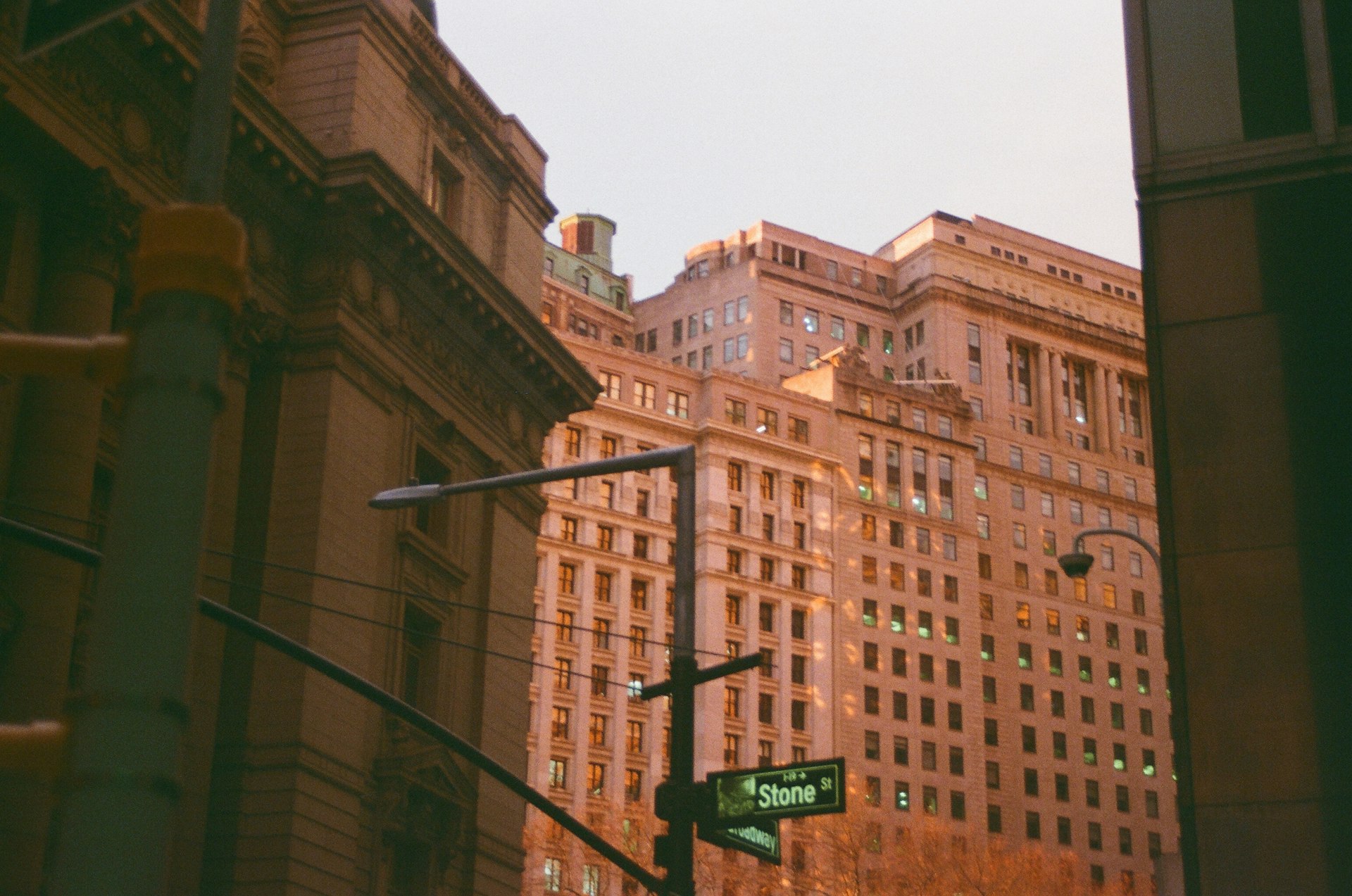
At a glance
The Financial District recorded 332 condo and co-op sales in the 12 months to September 2026, at a median price of $1,182,500, according to New York City Department of Finance records.
- Median price
- $1,182,500, up 10% on the year before
- Condo or co-op
- Condos $1,206,889, co-ops $782,000 (medians)
- Mix of sales
- 97% condo, 3% co-op
- Sales, 12 months
- 332, up 3% on the year before
- Most-traded building
- 22 Thames Street, 72 sales in two years
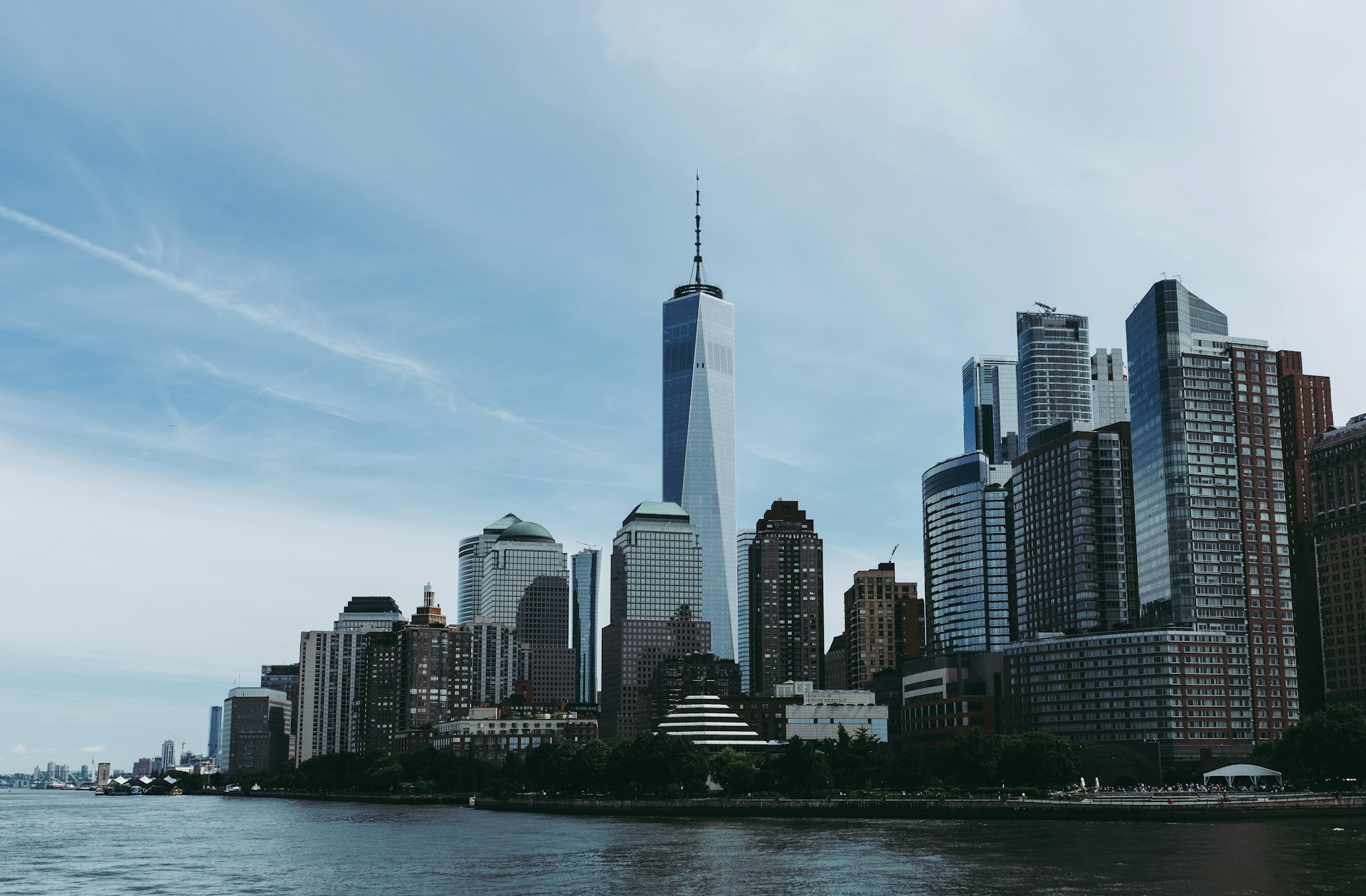
The Financial District is where Manhattan began and, as a residential neighborhood, one of its newest. Its narrow, crooked streets follow the colonial town plan, its skyline is dense with early skyscrapers and modern towers, and for most of the twentieth century it emptied out every evening. That has changed. Over the past few decades, a long wave of office-to-residential conversions and new condominium towers has turned Lower Manhattan into a place where people live, not just work, with waterfront on three sides and some of the best transit access in the city.
For buyers, the Financial District offers something rare in Manhattan: a large supply of condominiums, many with full amenity packages, in a setting of landmark architecture and harbor views. It also rewards careful building selection. A converted prewar bank or office building and a new glass tower can be a few blocks apart and offer entirely different layouts, light, monthly costs, and resale dynamics. Understanding those differences is most of the job. This guide explains how the market works, from a team active in it.
Financial District sales and prices
City records show 332 apartment sales in the Financial District in the 12 months to September 2026, at a median price of $1,182,500. The number of sales was up 3% on the year before, and the median price up 10%. Condominiums sold at a median of $1,206,889 and co-ops at $782,000.
- 332
- Sales, 12 months
- $1.18M
- Median price
- $1.21M
- Condo median
- $782K
- Co-op median
| Year | Sales | Median price |
|---|---|---|
| 2026 to September | 238 | $1,209,341 |
| 2025 | 348 | $1,155,000 |
| 2024 | 257 | $985,000 |
| 2023 | 325 | $1,100,000 |
| 2022 | 334 | $1,036,125 |
| 2021 | 503 | $1,175,000 |
Source: NYC Department of Finance recorded sales for the city's Financial District sales area, less Battery Park City. Condominium and co-op apartment sales only; whole townhouses are not included. Updated weekly as the city publishes new records.
The most active buildings in the Financial District
Ranked by recorded apartment sales over the latest 24 months on record.
- 1
 22 Thames StreetCondominium72 sales$1.91M median
- 2
 1 Wall StreetCondominium64 sales$1.41M median
- 3
 The CollectionCondominium48 sales$894K median
- 4
 75 Wall StreetCondominium45 sales$930K median
- 5
 The Broad ExchangeCondominium39 sales$1.38M median
- 6
 15 William StreetCondominium36 sales$1.27M median
- 722 Thames StreetCondominium34 sales$1.96M median
- 899 John StreetCondominium34 sales$833K median
- 988 Greenwich StreetCondominium34 sales$639K median
- 1015 Broad StreetCondominium29 sales$1.35M median
- 11130 William StreetCondominium27 sales$3.57M median
- 1220 West StreetCondominium27 sales$566K median
Where the Financial District is
The Financial District covers the southern tip of Manhattan, roughly south of Chambers Street and City Hall Park, from West Street on the west to the East River on the east, down to The Battery. Tribeca and the Civic Center sit to the north, and the South Street Seaport forms the neighborhood's northeastern corner. Like most Manhattan neighborhood lines, the edges are loosely held, and many buyers simply say Lower Manhattan or FiDi.
West of West Street is Battery Park City, the planned waterfront community built on landfill along the Hudson. It has a distinct character and market of its own: see our Battery Park City buyer's guide. This guide covers the older street grid east of it.
The Financial District's character: landmarks, towers, and the water
Two things define the Financial District. The first is history. This is where New York began, and it shows: Wall Street and the New York Stock Exchange, Federal Hall, Bowling Green, and Fraunces Tavern on Pearl Street. Stone Street, a cobblestoned pedestrian block lined with restaurants, and the South Street Seaport, with its historic district, restored counting houses, and Pier 17 on the East River, give the neighborhood places to gather that feel nothing like an office district.
The second is scale. Early skyscrapers with ornate lobbies stand beside postwar office slabs and new residential towers, and the canyon-like streets open suddenly onto the harbor. The waterfront is never far: The Battery at the tip, the East River Esplanade along the eastern edge, and ferries to Governors Island, Staten Island, and other points across the harbor. The rhythm is distinctive too. Weekdays are busy, while evenings and weekends on many blocks are noticeably quieter than in neighborhoods to the north.
Financial District housing stock: conversions and new towers
The Financial District is a condo and rental market, with a building stock unlike anywhere else in Manhattan.
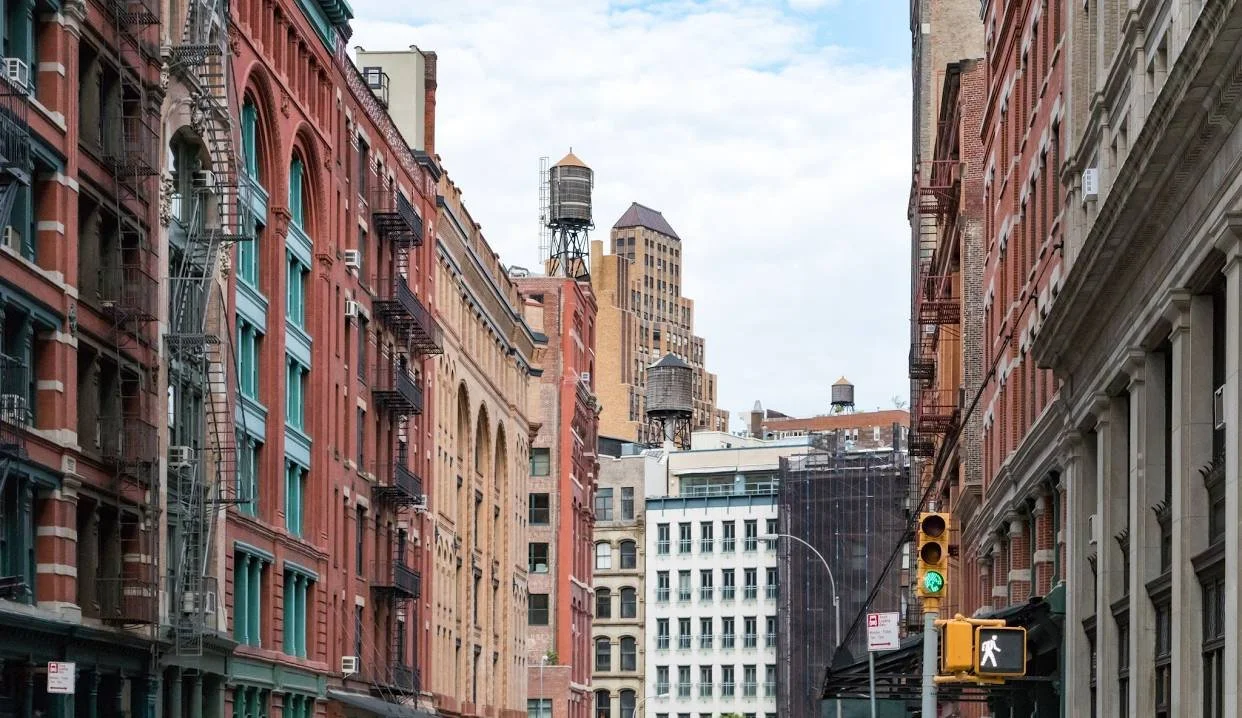
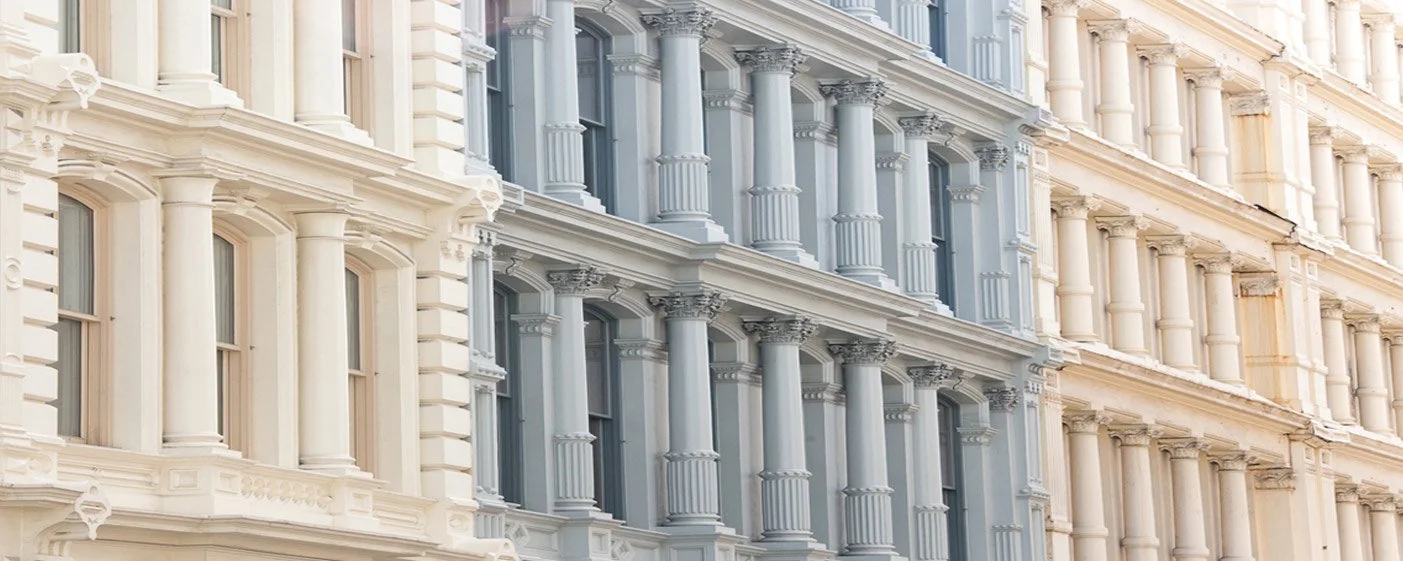
- Office-to-residential conversions. Former prewar office and bank buildings converted to condominiums, often with soaring lobbies, high ceilings, oversized windows, and architectural detail. Layouts vary widely, since they were carved from office floor plates, so some apartments are deep with limited exposure while others are exceptional.
- New condominium towers. Twenty-first century high-rises with floor-to-ceiling glass, harbor and skyline views, and extensive amenities such as fitness centers, pools, lounges, roof decks, and full-time staff.
- Postwar conversions. Mid-century office buildings converted to residential use, often with more regular layouts and large floor plates.
- Rental buildings. Many large conversions and towers are rental buildings, which shapes the neighborhood but does not add to the for-sale inventory.
- Co-operatives and lofts. Present, but a clear minority. A small number of older co-op and loft buildings, especially near the Seaport and the northern edge, offer a different structure and scale.
If you want a condominium with amenities, views, and the flexibility of condo ownership, in a setting of landmark architecture, the Financial District is one of the deepest markets in Manhattan for it.
Why buyers choose the Financial District
- Transit. Fulton Center connects a long list of subway lines and links underground to the World Trade Center and its PATH station, with the Staten Island Ferry at Whitehall and NYC Ferry service along the East River. Few Manhattan neighborhoods are as well connected.
- Condo inventory. The depth of condominium supply gives buyers more choice of building, layout, and amenity package than in co-op-heavy neighborhoods.
- Views and light. Upper floors look out over the harbor, the Statue of Liberty, the East River bridges, and the downtown skyline.
- Architecture. Converted prewar buildings offer lobbies, ceiling heights, and detail that would be difficult to build today.
- The waterfront. The Battery, the East River Esplanade, the Seaport, and Battery Park City's Hudson River parks are all within walking distance.
- Amenities. Many buildings offer gyms, pools, roof decks, lounges, and staff, bringing services into the building itself.
The Financial District is a condo market, where the building matters
The single most important thing to understand about the Financial District is that it is a condo market, and buildings here differ more than the word condo suggests. In a conversion, the original structure dictates the apartment: column placement, window size, ceiling height, and the depth of the floor plate all shape how a residence lives. In a new tower, the floor, the view corridor, and the risk of future construction nearby matter most.
Monthly costs deserve close attention. Common charges in amenity-rich buildings can be significant, and real estate taxes vary depending on the building and whether any tax abatement applies and when it ends. Some buildings sit in the low-lying areas near the water that flooded during Hurricane Sandy, so the location of mechanical systems and the building's flood preparations are fair questions. Because many apartments in a building can be similar, resale competition within the same building is also a real factor. Neighborhood-wide averages tell you little. The building, its finances, and the specific apartment tell you almost everything.
Off-market in the Financial District
Even in a condo market with plenty of public listings, some of the best residences, especially the top-floor units, the best lines in prized conversions, and the larger apartments with open views, change hands quietly. Sponsors with unsold inventory and owners who prefer discretion often work through relationships rather than public marketing. See how off-market deals work in NYC.
Condo, co-op, or new development in the Financial District
Because the Financial District is condo-heavy, the main choice is often between a resale and a new development rather than between condo and co-op:
- Resale condo buyers. Resales in established conversions and towers let you see the building's track record, its finances, and how it is run before you buy.
- New development buyers. Sponsor sales come with a different contract, closing costs that can include items a resale buyer would not pay, and room to negotiate on price, terms, or closing credits depending on the sponsor's position.
- Pied-a-terre and non-resident buyers. Condominiums generally allow pied-a-terre use, entity ownership, and non-resident buyers, which makes the Financial District one of the more straightforward Manhattan markets for them. See our guide for foreign and non-resident buyers and condo vs. co-op for a pied-a-terre.
- Co-op buyers. The few co-ops here can offer different value, but come with board approval and building-specific rules.
How to buy in the Financial District
- Building knowledge. Because conversions and towers vary so widely, the right advisor is one who knows the individual buildings, their layouts, their finances, and their histories, not just the neighborhood.
- Financial diligence. Review common charges, real estate taxes, any abatement and its schedule, reserves, and planned assessments before you commit.
- Access. With the best lines and sponsor inventory sometimes trading quietly, relationships determine what you see and what terms are possible.
- Readiness. Have financing or proof of funds, an attorney, and your ownership structure in place, so you can move when the right home appears.
Financial District FAQ
Where are the boundaries of the Financial District?
The Financial District covers the southern tip of Manhattan, roughly south of Chambers Street and City Hall Park, from West Street east to the East River and down to The Battery. Battery Park City, west of West Street, is a separate neighborhood with its own guide.
Is the Financial District mostly condos or co-ops?
The for-sale market is dominated by condominiums, in both office-to-residential conversions and new towers. Co-ops and lofts exist but are a clear minority, and many large buildings in the neighborhood are rentals.
What is an office-to-residential conversion?
It is a former office or bank building converted to apartments. In the Financial District, many are prewar landmarks with grand lobbies and high ceilings. Because layouts are carved from office floors, light and room proportions vary more than in purpose-built residential buildings, so each apartment should be judged on its own.
How is the Financial District for transit?
It is one of the best-connected neighborhoods in Manhattan. Fulton Center links many subway lines and connects underground to the World Trade Center and PATH, and ferries run from Whitehall and the East River piers.
Can you buy a pied-a-terre in the Financial District?
Yes. Because the market is condo-heavy, and condominiums generally allow pied-a-terre use, entity ownership, and non-resident buyers, the Financial District is one of the more straightforward places in Manhattan to buy one. See our guides to condo vs. co-op and to buying as a foreign or non-resident buyer.
Elevated Advisement represents buyers across the Financial District's condo market, from converted landmarks to new towers, including its off-market and sponsor inventory. To start your search, get in touch.
Want to chat about Financial District?
Request a confidential valuation of your residence from Zeve Salman.
Request received
Zeve Salman will be in touch personally with your valuation.
or text Zeve: 917-607-1331