Neighborhood guide · Manhattan
Murray Hill and Kips Bay
Recorded sales, buildings and how to buy
Get in touch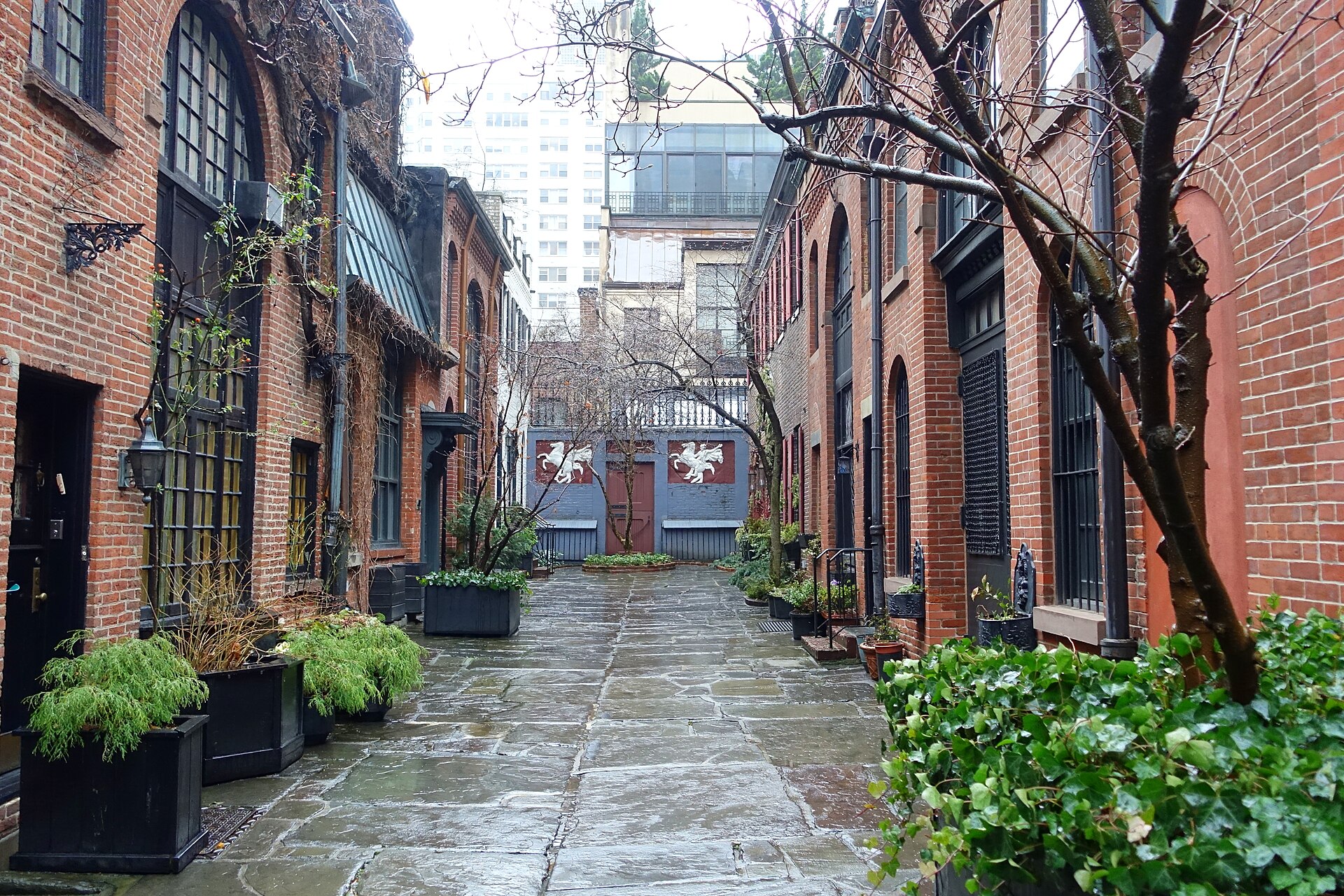
At a glance
Murray Hill and Kips Bay recorded 623 condo and co-op sales in the 12 months to September 2026, at a median price of $842,500, according to New York City Department of Finance records.
- Median price
- $842,500, up 1% on the year before
- Condo or co-op
- Condos $1,262,500, co-ops $590,000 (medians)
- Mix of sales
- 53% condo, 47% co-op
- Sales, 12 months
- 623, down 3% on the year before
- Most-traded building
- Eastlight, 55 sales in two years
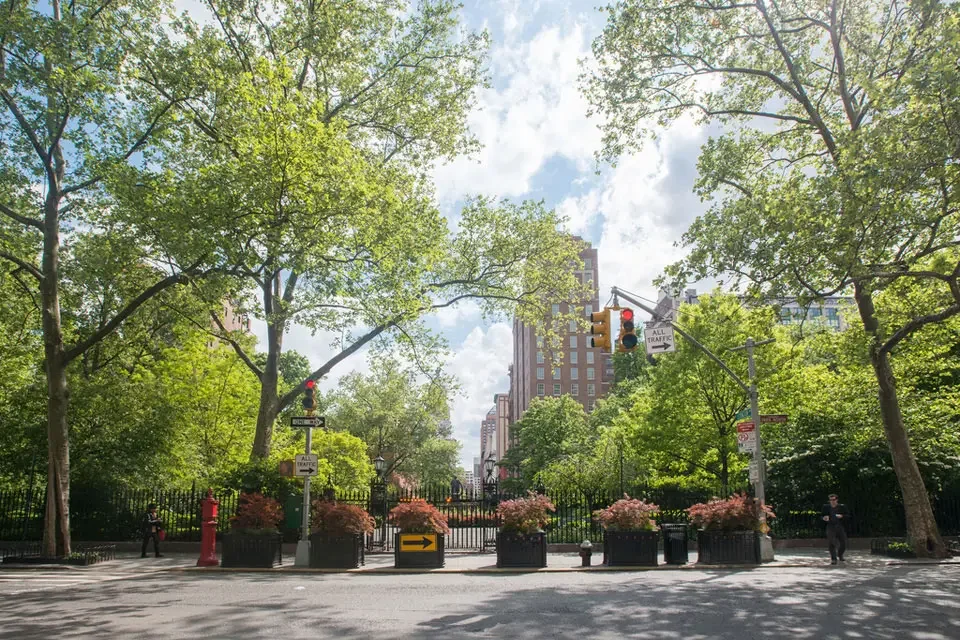
Murray Hill and Kips Bay are two of the most practical places to own in Manhattan, and two of the most underrated. They sit on the East Side between the Flatiron District and Midtown, close to Grand Central and the East River, and they offer something buyers increasingly have to hunt for elsewhere: real choice. Within a few blocks you can find a brownstone on a quiet side street, a prewar co-op with high ceilings and a doorman, a postwar building with large layouts and a full staff, or a newer condominium tower with river views and a long amenity list.
For buyers, the appeal is less about a single signature street and more about value, convenience, and range. These are neighborhoods where the building matters more than the block. A well-run postwar co-op and a poorly maintained one can sit side by side, and an apartment with open river views can trade very differently from a similar layout facing an air shaft. If you are looking here, the most useful thing to understand is how varied the stock is, and how much the specific building, line, and exposure shape value. This guide explains how the market works, from a team active in it.
Murray Hill and Kips Bay sales and prices
City records show 623 apartment sales in Murray Hill and Kips Bay in the 12 months to September 2026, at a median price of $842,500. The number of sales was down 3% on the year before, and the median price up 1%. Condominiums sold at a median of $1,262,500 and co-ops at $590,000.
- 623
- Sales, 12 months
- $843K
- Median price
- $1.26M
- Condo median
- $590K
- Co-op median
| Year | Sales | Median price |
|---|---|---|
| 2026 to September | 491 | $850,000 |
| 2025 | 625 | $830,000 |
| 2024 | 631 | $865,000 |
| 2023 | 653 | $940,000 |
| 2022 | 984 | $1,006,999 |
| 2021 | 956 | $940,275 |
Source: NYC Department of Finance recorded sales for the city's Murray Hill and Kips Bay sales areas. Condominium and co-op apartment sales only; whole townhouses are not included. Updated weekly as the city publishes new records.
The most active buildings in Murray Hill and Kips Bay
Ranked by recorded apartment sales over the latest 24 months on record.
- 1
 EastlightCondominium55 sales$1.44M median
- 2
 The CorinthianCondominium50 sales$1.26M median
- 3
 Kips Bay TowersCondominium47 sales$827K median
- 4
 The ChurchillCo-op34 sales$728K median
- 5
 305 East 24th StreetCo-op34 sales$640K median
- 6137 East 36th StreetCo-op30 sales$735K median
- 7225 East 36th StreetCo-op27 sales$358K median
- 815 East 30th StreetCondominium24 sales$3.39M median
- 9685 First AvenueCondominium24 sales$2.49M median
- 10630 First AvenueCondominium23 sales$966K median
- 1110 Park AvenueCo-op23 sales$513K median
- 12325 Fifth AvenueCondominium22 sales$1.24M median
More building pages in Murray Hill and Kips Bay: 150 East 37th Street.
Where Murray Hill and Kips Bay are
Murray Hill runs roughly from East 34th Street to East 42nd Street, between Fifth Avenue and Third Avenue. Its heart is the stretch of brownstone side streets east of Madison Avenue, with Park Avenue and Lexington Avenue carrying the larger apartment buildings. To the north sits Midtown East, with its own neighborhood guide; Grand Central Terminal marks the northern edge.
Kips Bay sits just to the south and east, running roughly from East 23rd Street to East 34th Street, from Lexington or Third Avenue to the East River. Gramercy Park lies to its southwest. Like most Manhattan neighborhood lines, these edges are loosely held, and many listings east of Third Avenue in the 30s are described as one or the other depending on who is writing. For buyers, the building and the block matter far more than the label.
Murray Hill and Kips Bay's character: brownstone quiet and river towers
The two neighborhoods share a border, but they feel different.
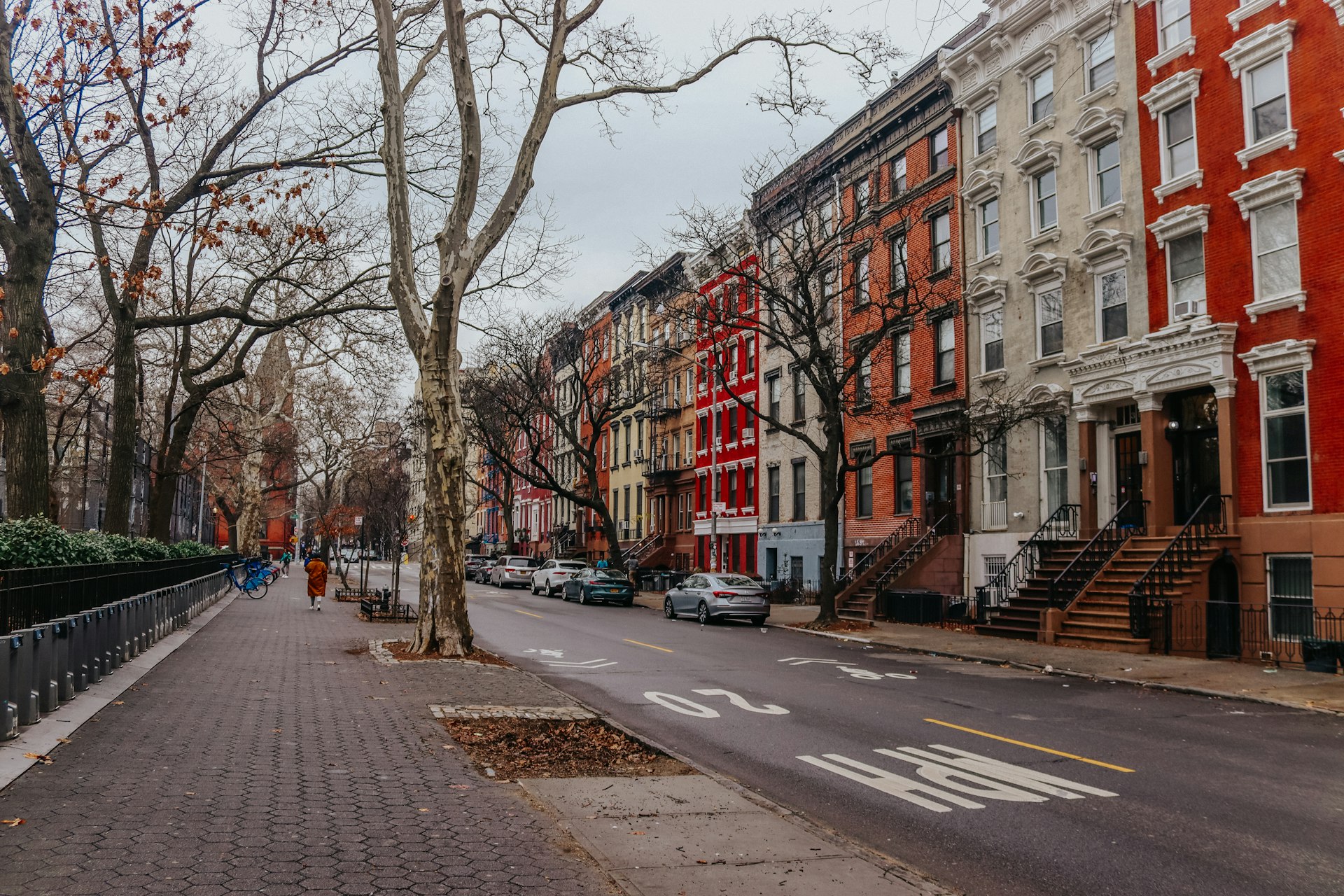
Murray Hill is the older, more residential of the two in its core. Its side streets hold rows of nineteenth-century brownstones and carriage houses, parts of it within the Murray Hill Historic District. Sniffen Court, a small mews of former carriage houses on East 36th Street between Lexington and Third Avenues, is one of the neighborhood's best-kept corners. The Morgan Library and Museum, on Madison Avenue at East 36th Street, anchors the neighborhood culturally and gives the western blocks a sense of permanence. Along Park and Lexington, the scale rises to prewar and postwar apartment buildings, many with doormen and long histories.
Kips Bay is more modern in form. Much of it was rebuilt in the second half of the twentieth century, with large postwar buildings, superblocks, and medical and academic campuses along First Avenue, including NYU Langone and Bellevue. Kips Bay Towers, the pair of concrete slabs designed by I. M. Pei set within a private landscaped park, is the neighborhood's best-known residential landmark. Closer to the river, newer glass towers have added condominium inventory with views that most of Manhattan cannot offer.
The result is a pairing that covers a wide range of Manhattan housing in a compact area, with more space for the money than many neighborhoods to the south and west.
Murray Hill and Kips Bay housing stock: brownstones, co-ops, and river condos
The housing here is unusually varied, which is part of the appeal.
- Brownstones and carriage houses. Murray Hill's side streets hold townhouses, both single-residence and multi-unit, many landmarked. They come to market rarely, and condition varies widely.
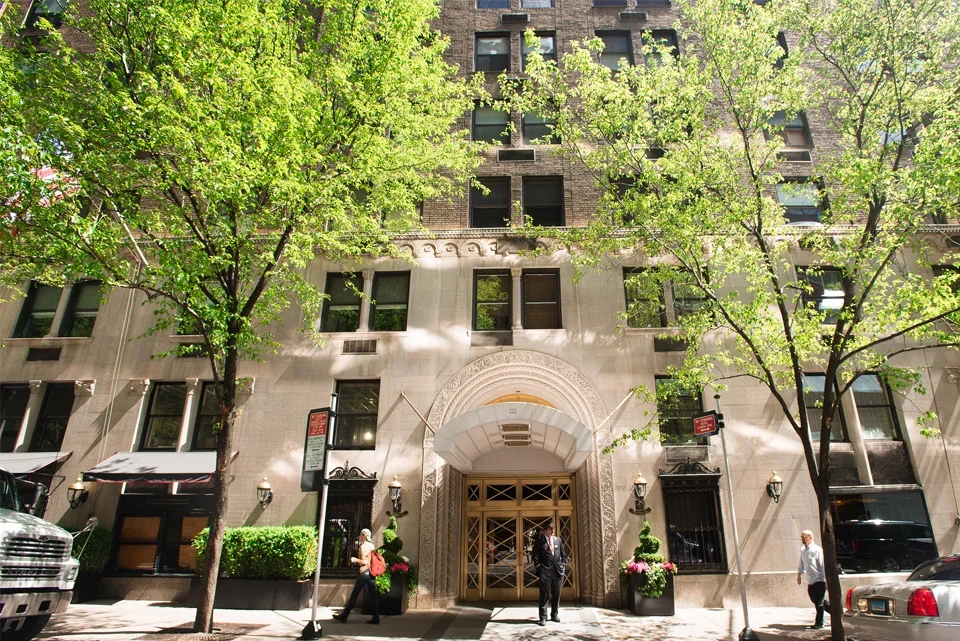
- Prewar co-operatives. Park Avenue, Lexington, and the side streets between them carry prewar co-ops with the high ceilings, thick walls, and detail that define the category.
- Postwar doorman co-ops. Both neighborhoods have a deep supply of postwar co-op buildings, often with generous layouts, full-time staff, and practical amenities. This is one of the largest segments of the market here.
- Postwar and conversion condominiums. A meaningful number of buildings are condominiums, some built as condos and some converted, offering more flexibility than a typical co-op.
- Newer condominium towers. Along the eastern avenues and near the river, newer towers offer floor-to-ceiling glass, open views, and full amenity packages.
If you want a doorman building with space, staff, and a straightforward commute, few parts of Manhattan offer as many options.
Why buyers choose Murray Hill and Kips Bay
- Range of buildings. Brownstones, prewar and postwar co-ops, and new condos all sit within a short walk of each other.
- Space and layouts. Many postwar buildings here were designed with larger rooms, more closets, and practical floor plans.
- Transit. Grand Central Terminal sits at the northern edge, and the Lexington Avenue line runs the length of both neighborhoods. Penn Station and the PATH at 33rd Street are a short trip west, and NYC Ferry stops at East 34th Street.
- River and light. Apartments on the eastern blocks, especially higher floors, can have open views across the East River and strong light.
- Quiet side streets. Murray Hill's brownstone blocks are calm and residential despite sitting minutes from Midtown.
- Culture and greenery. The Morgan Library and Museum, the East River Esplanade, and Kips Bay Towers' landscaped grounds add character to the area.
Murray Hill and Kips Bay are building-by-building markets
The most important thing to understand here is that the neighborhood label tells you little. With so many building types in so small an area, value is set by the individual building and the individual apartment.
In the co-ops, which make up much of the inventory, the board, the building's finances, the maintenance relative to size, and the rules on financing, subletting, and pied-a-terre use all shape what an apartment is worth and how a purchase gets approved. In the condominiums, common charges, taxes, amenities, and the quality of the original construction carry more weight. Across both, the line and the exposure matter: a high-floor apartment with river views and a low-floor apartment facing a side street can be priced very differently in the same building. Avenue noise near the Queens-Midtown Tunnel approaches and the busier crosstown streets is another factor worth weighing. Neighborhood averages flatten all of this out. The building, its board or condo association, and the specific apartment tell you almost everything.
Off-market in Murray Hill and Kips Bay
As across prime Manhattan, some of the best homes here change hands quietly, without a public listing. That is especially true of the Murray Hill brownstones and carriage houses, and of the best lines in the most sought-after co-ops, where owners often prefer a discreet sale. Access depends on relationships inside the buildings and across the brokerage community. See how off-market deals work in NYC.
Condo, co-op, or townhouse in Murray Hill and Kips Bay
Because both ownership structures are well represented, buyers have a real choice here:
- Co-op buyers. Co-ops make up much of the inventory, especially in the prewar and postwar doorman buildings. They mean board approval and building-specific rules on financing, subletting, and use, and they can offer more space for the money. See condo vs. co-op for a pied-a-terre.
- Pied-a-terre and non-resident buyers. The condominium buildings, including the newer river towers, are usually the clearest path, since many co-ops restrict pied-a-terre use, entity ownership, and non-resident buyers. See our guide for foreign and non-resident buyers.
- Townhouse buyers. Murray Hill's brownstone blocks offer whole houses close to Midtown, though they come to market infrequently and often need careful inspection and planning.
How to buy in Murray Hill and Kips Bay
- Building knowledge. With so many building types side by side, the right advisor knows the individual buildings, their boards, their finances, and their rules, not just the neighborhood.
- Line and exposure. Views, light, and noise vary sharply within a single building, so comparing lines and floors matters as much as comparing addresses.
- Access. With the best townhouses and co-op lines often trading quietly, relationships determine what you see.
- Readiness. Have financing or proof of funds, an attorney, and your ownership structure in place, and understand what a board will expect, so you can move when the right home appears.
Murray Hill and Kips Bay FAQ
Where are the boundaries of Murray Hill and Kips Bay?
Murray Hill runs roughly from East 34th to East 42nd Street, between Fifth Avenue and Third Avenue. Kips Bay runs roughly from East 23rd to East 34th Street, from Lexington or Third Avenue to the East River. The lines are loosely held, and buildings near the border are often described as either.
Are Murray Hill and Kips Bay mostly co-ops or condos?
Both are well represented. Co-ops make up much of the inventory, especially in the prewar and postwar doorman buildings, while condominiums include conversions, postwar buildings, and newer towers near the river. Murray Hill also has brownstones and carriage houses on its side streets.
What is Sniffen Court?
Sniffen Court is a small, gated mews of former carriage houses on East 36th Street between Lexington and Third Avenues. It is one of the best-known hidden corners of Murray Hill and a good example of the neighborhood's nineteenth-century residential fabric.
What are Kips Bay Towers?
Kips Bay Towers is a pair of residential towers designed by I. M. Pei, set within a private landscaped park in the heart of Kips Bay. It is the neighborhood's best-known residential landmark and a defining example of its postwar architecture.
Can you buy a pied-a-terre in Murray Hill or Kips Bay?
Yes, and the condominium buildings are usually the easiest route. Many co-ops restrict pied-a-terre use, entity ownership, and non-resident buyers, so the right building matters. See our guides to condo vs. co-op and to buying as a foreign or non-resident buyer.
Elevated Advisement represents buyers across Murray Hill and Kips Bay, from brownstones and prewar co-ops to newer river condominiums, including off-market inventory. To start your search, get in touch.
Want to chat about Murray Hill and Kips Bay?
Request a confidential valuation of your residence from Zeve Salman.
Request received
Zeve Salman will be in touch personally with your valuation.
or text Zeve: 917-607-1331